




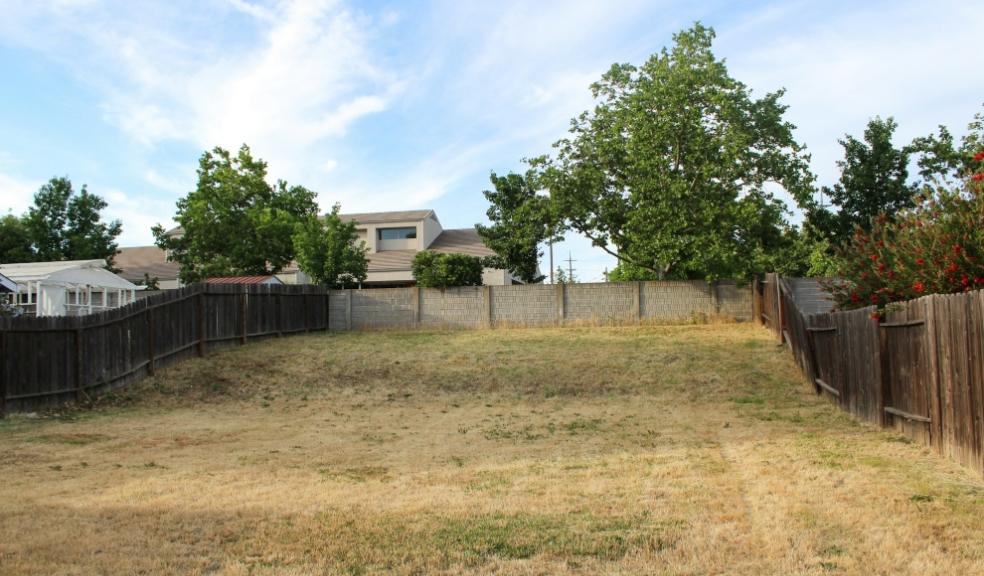
Is Your Lawn Really Dead? How to Tell During a Summer Heatwave
A spell of hot, dry weather can quickly transform a green lawn into a patchwork of brown grass, leaving many homeowners wondering whether they've done something wrong.
The good news is that a brown lawn isn't always a dead lawn. In fact, during prolonged periods of warm weather, many lawns simply enter a dormant state to protect themselves until conditions improve.
Before you reach for the lawn seed or consider replacing the entire lawn, it's worth understanding what's actually happening beneath the surface.
Why Does Grass Turn Brown?
Grass needs moisture to stay green and actively grow. When rainfall becomes scarce and temperatures rise, it naturally slows down to conserve energy.
This survival mechanism, known as dormancy, allows the grass to protect itself until cooler temperatures and rain return. While it might not look its best, dormant grass often recovers surprisingly well.
How to Tell if Your Lawn Is Dormant
There are a few signs that your lawn is simply waiting for better conditions.
If the grass feels dry but remains firmly rooted in the soil, there's a good chance it's dormant rather than dead. You may also notice that some areas remain green while others turn brown, particularly in shaded parts of the garden.
Once steady rainfall returns, dormant lawns often begin producing fresh green shoots within a couple of weeks.
Signs Your Lawn May Need Repair
Not every lawn bounces back on its own.
If large patches remain brown long after rainfall has returned, or the grass pulls away from the soil with little resistance, those areas may need repairing.
Heavy foot traffic, compacted soil and poor drainage can also prevent recovery, particularly in gardens that see plenty of use throughout the summer.
Resist the Urge to Overwater
When a lawn starts to brown, it's tempting to water it every evening.
However, frequent light watering encourages shallow root growth, making the grass less resilient in future dry spells.
If watering is needed, it's better to water deeply once or twice a week, preferably early in the morning. This encourages stronger root systems and helps the lawn cope better with hot weather.
Wait Before You Replace It
Unless your lawn has suffered severe damage, patience is often the best approach.
Many lawns recover naturally once temperatures fall and rainfall returns. If some patches don't recover, they can usually be overseeded later in the season when growing conditions become more favourable.
Taking time to assess the damage before replacing large sections can save both time and money.
For homeowners looking to repair worn or damaged areas, Rural Supplies offers a wide range of grass seed suitable for everything from hard-wearing family lawns to ornamental gardens. Explore the full grass seed range and choose a mixture suited to your garden and the way you use it.