


Before you ask for a smaller tree, define the problem
“The tree has become too big” is a common starting point for a garden conversation. It describes a feeling clearly, but it does not yet identify the work that would help. The concern might be shade over a seating area, a branch near a structure, restricted access or a change in the tree's condition. Each calls for a different assessment.
Before asking for a large reduction, spend a little time describing the problem in practical terms. This can make a consultation more useful and help avoid work that changes the tree without delivering the result you wanted. The objective is to understand what needs attention while recognising the value the tree already brings to the garden.
Describe where and when the difficulty occurs
Start with the place that is affected. Is it a window, a path, a driveway or an outdoor table? Note whether the issue is constant or linked to a particular season or time of day. A room that feels darker in winter and a patio shaded on summer afternoons are not the same problem.
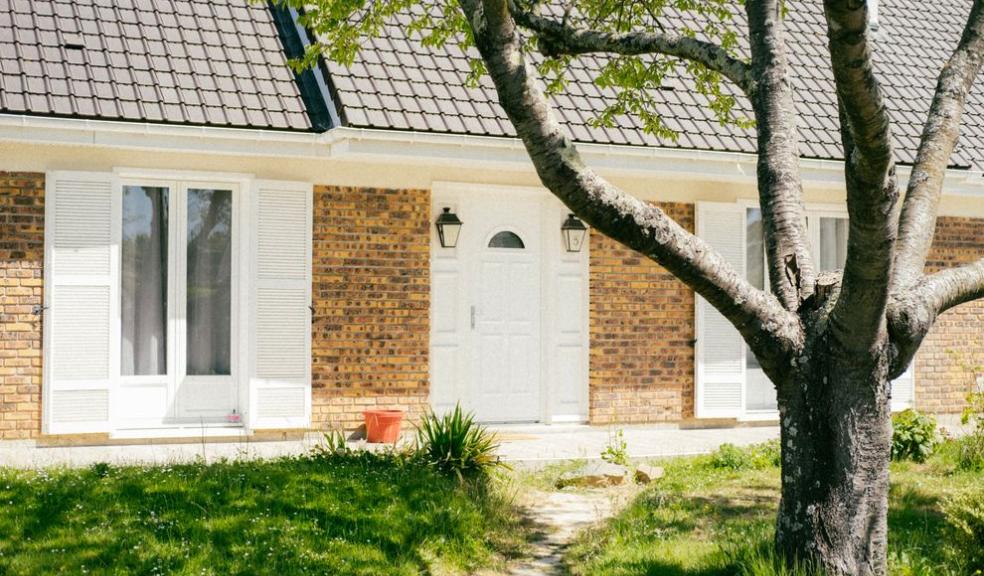
Take photographs from safe, accessible positions. Include a wider view that shows the tree in relation to the house and boundaries. A close photograph of a branch can be useful, but without context it may not explain the concern. Keep earlier photographs if they help show a change.
Avoid moving underneath damaged or hanging branches to obtain a better image. If there is an immediate concern about people being harmed, keep clear and seek appropriate help. Observation is not a reason to enter an unsafe area or attempt a closer inspection from a ladder.
When contacting Tree Surgeons, describe the outcome you want as well as what you have noticed. “We need reliable clearance above this access route” gives a clearer starting point than “cut everything back”. The arborist can then assess whether pruning, another management approach or further investigation would address the concern.
Understand that different cuts have different purposes
Tree work is not a single treatment applied more or less heavily. Changing the lower part of a crown, shortening selected branches and reducing the overall crown can have different effects on appearance and growth. Ask the arborist to explain the proposed work using the actual tree as a reference.
The Royal Horticultural Society advises deciding what pruning is intended to achieve and warns that hard pruning can encourage vigorous upright growth. This is one reason a dramatic initial change may not provide a lasting solution to a size concern. The response depends on the species, condition and previous management of the tree.
Ask how the proposal is likely to affect the tree's shape over time. A photograph marked with the intended extent of work can help both parties understand the scope. Broad phrases such as “a good tidy” leave considerable room for misunderstanding, particularly where a tree is a prominent feature of the garden.
Be open to the possibility that less work is appropriate. A tree does not need pruning simply because another part of the garden is being refreshed. Equally, an issue affecting safety or the tree's health should not be dismissed as an aesthetic preference. The assessment should explain the distinction.
Check constraints before agreeing a date
In England, a tree preservation order or conservation-area status can affect what work is permitted. GOV.UK advises checking whether an application is required for work on protected trees. Ownership of the garden does not, by itself, settle that question. Confirm the position with the local planning authority before work begins.
Ask who will handle any application, notification or supporting information and make that responsibility clear in the written scope. Do not assume it has been dealt with because an appointment has been pencilled into a diary. Keep the relevant correspondence with the proposal.
Timing also deserves an explanation. Ask about the species, the condition of the tree and any wildlife constraints that need checking. A convenient weekend is not enough information to determine the right moment for work. If the arborist recommends a different time, understand the reason and what should happen in the meantime.
Consider access without turning the garden into a construction plan of your own. Tell the contractor about narrow gates, steps, delicate surfaces and anything that restricts the route. They can assess the equipment and working arrangements needed. Keep children, pets and other garden users away from the work area as instructed.
Compare the written outcome
When reviewing proposals, compare the actual work rather than only the headline price. Check which tree and branches are included, how the extent is described and what will happen to the material removed. A cheaper proposal may simply describe a different task.
Ask what should be expected immediately afterwards and over the following seasons. Pruning changes the living structure of a tree, so a useful handover explains any monitoring or future review recommended. It should not imply that a single visit makes every future concern disappear.
Keep a copy of the final scope and take photographs afterwards from the same safe viewpoints. This provides a record of what was done and makes later conversations easier. If the original problem remains, the discussion can refer to the agreed objective rather than to competing memories.
A well-defined brief helps everyone make a proportionate decision. By identifying the location, timing and practical effect of the problem, you give an arborist something meaningful to assess. The result may be a carefully specified change, a period of monitoring or advice to leave the tree alone. Each is more useful than making it smaller without knowing why.
Include the way you use the garden
Sketch the places where people spend time and the routes they need to keep clear. A simple drawing can help explain why one branch matters more to you than another. Include features you value as well as the difficulty you want assessed, such as a sheltered seating area or a view from the house. These preferences do not determine which work is appropriate, but they give the arborist a fuller brief. If several household members use the space differently, discuss those priorities before the visit. Agreeing what you hope to achieve makes it easier to understand the options and compare them with the original problem afterwards.
Collaborative content.