



What to do with a garden that has more space than you know what to do with
A big garden is a luxury, but without a plan, it can feel like a blank page. Left alone, a large plot often ends up as little more than a lawn with a shed at the far end. These ideas will help you turn spare space into somewhere you’ll use all year.
- Create Different Zones for Relaxing and Entertaining
The secret to a large garden is to stop seeing it as one big space and think in rooms instead. A patio or deck close to the back door suits everyday meals and morning coffee, while a screened corner further away makes a peaceful spot for a book. A fire pit ringed with benches brings people together on cooler evenings, and a proper dining area means summer lunches no longer have to be squeezed into the kitchen. Winding paths between the zones invite you to explore.
- Make Room for New Hobbies and Outdoor Activities
The average British domestic garden measures about 244 square metres, so if yours is bigger, you have freedom to try new pastimes. Set aside a level patch for yoga or home workouts, and keep a separate stretch of grass for games and dogs. A small shed can double as a workshop or potting space, so you can tinker whatever the weather. It may also do you good: the RHS State of Gardening Report 2025 found that 77% of domestic gardeners cited better mental health and 76% better physical health.
- Explore the Possibilities of Growing Your Own Produce
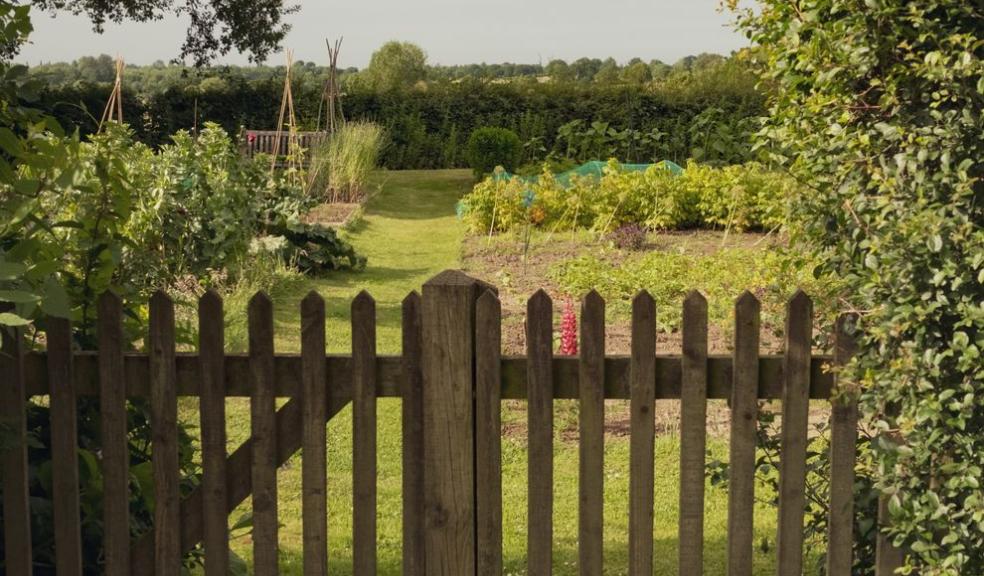
A generous plot is ideal for growing food, even if you’ve never picked up a trowel. Installing a polytunnel gives tomatoes, cucumbers and salad leaves a warmer, calmer home than open beds, letting you sow earlier and harvest later. Begin with reliable crops such as lettuce, radishes and courgettes, then branch out as you learn what suits your soil and light. A few raised beds nearby make it easy to add herbs and root vegetables.
- Plan for a Garden That Works All Year Round
Think about how the garden will look and feel in January, not only in July. Gardens Illustrated suggests mixing evergreen shrubs with plants that hold their shape through winter, such as the golden stems of the grass Calamagrostis ‘Karl Foerster’ or the crimson winter stems of Cornus alba ‘Baton Rouge’. Add winter-flowering bulbs and a few well-placed lanterns, and the garden stays inviting long after the summer flowers fade. Finally, leave one area unplanned so your ideas have room to change.
A big garden doesn’t have to be scary. Divide it into zones, make space for what you enjoy, try growing some food and plan for every season. Taken step by step, the space becomes a natural extension of your home instead of a problem to solve.
Collaborative post.