




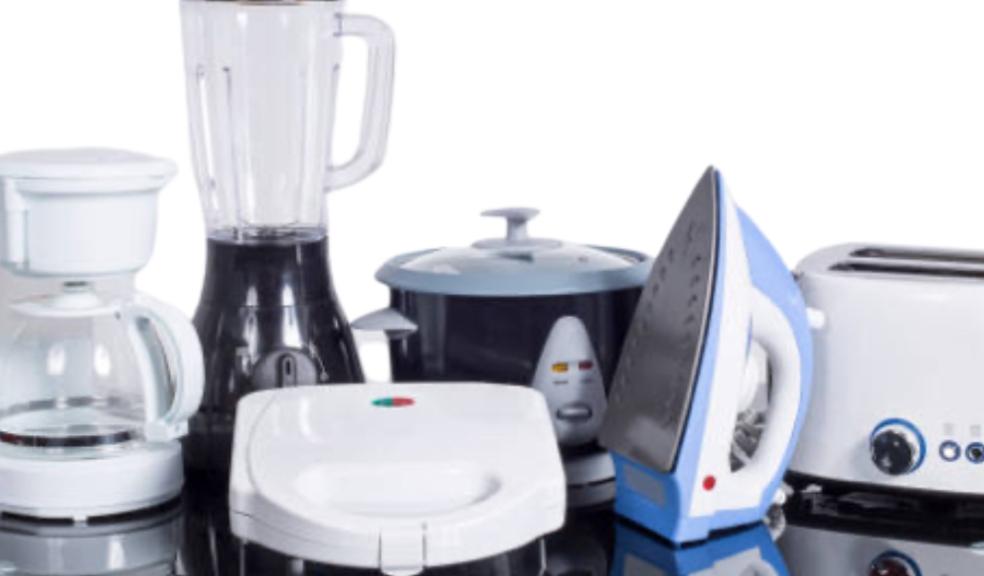
How modern home appliances are transforming everyday household efficiency and comfort
Modern home appliances are reshaping how households manage time, energy, and comfort. From intelligent washing machines to connected kitchen systems, these devices are designed to reduce manual effort while improving consistency in daily routines. As homes become more connected, appliances now play a central role in making everyday tasks smoother and more predictable.
Smart appliances in daily routines
One of the biggest changes in modern homes is the rise of connected appliances that communicate with users and with each other. Washing machines can now select cycles based on load type, refrigerators track internal contents, and ovens adjust cooking conditions automatically. These features reduce the need for constant monitoring and help standardise results.
Smart functionality also extends to energy use. Many devices optimise power consumption by running cycles during off-peak hours or adjusting performance based on load size. This shift has made it easier for households to manage utility costs without changing daily habits significantly. Research on smart home systems highlights how connected appliances can improve energy management through automation and real-time monitoring .
Energy efficiency shaping home performance
Energy efficiency has become a defining feature of modern appliances. Washing machines now use significantly less water than older models, while heat pump dryers reduce energy consumption compared to conventional alternatives. Kitchen appliances such as induction cooktops and convection ovens also transfer heat more effectively, reducing wasted energy during cooking.
These improvements are not only about cost savings. They also reduce strain on household routines by shortening cycles and improving performance consistency. Studies show that advanced cooking systems can precisely control heat output, avoiding unnecessary energy spikes during operation .
Even water heating systems, which are among the highest energy users in a home, are becoming more efficient through better insulation and smarter temperature control. Across multiple categories, efficiency improvements are now built into design rather than treated as optional features.
Kitchen technology improving everyday convenience
The kitchen has seen some of the most noticeable changes in appliance design. Refrigerators, ovens, dishwashers, and small countertop devices are now increasingly multifunctional. Instead of separate tools for each task, modern appliances often combine features to reduce clutter and simplify workflows.
This is where products like steam generators Laurastar brand become helpful, offering a streamlined approach to garment care. Steam systems reduce the need for repeated ironing passes and can refresh fabrics quickly, which supports more efficient household routines. Similar innovations across kitchen and laundry spaces show how appliances are being designed to save time while maintaining consistent results.
Touch controls, mobile app integration, and sensor-based cooking adjustments also make kitchen tasks less manual. Users can preheat ovens remotely or receive alerts when cycles finish, reducing the need to stay physically present during every stage of cooking or cleaning.
Laundry and cleaning automation at home
Laundry systems have evolved significantly, particularly in how they manage water and detergent use. High-efficiency machines now adjust cycles automatically based on load size and fabric type. This reduces waste while maintaining cleaning performance. Some models also use steam or high-speed spin cycles to reduce drying time, improving overall efficiency.
Cleaning appliances have followed a similar path. Robot vacuum cleaners and smart mops now handle routine floor maintenance with minimal input. These devices use sensors to navigate spaces and avoid obstacles, allowing households to maintain cleanliness with less effort.
Comfort and time savings in modern living
The combined effect of these innovations is a noticeable shift in how households operate day to day. Tasks that once required constant attention can now run in the background. Cooking, cleaning, and laundry processes are more predictable and require fewer manual adjustments.
Comfort is also improved through quieter operation, better temperature control, and more responsive interfaces. Appliances are no longer isolated tools but part of a coordinated home system that supports routine efficiency.
Modern home appliances continue to evolve toward greater automation and precision. As they become more integrated into everyday living, they help households manage time and resources more effectively while maintaining consistent comfort across daily routines.