




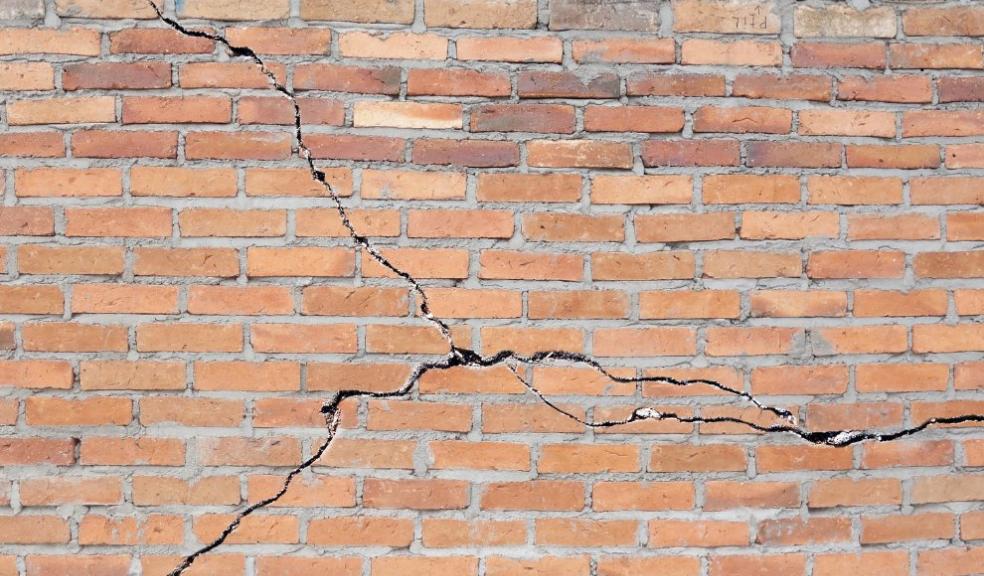
Cracking up: Could summer heatwaves have rocked your foundations?
Summer 2026 has been one for the record books, with several heatwaves pummelling the nation over the last few months. But it’s not just ourselves that may have cracked in the heat - an expert is warning that the extreme heat poses a very real threat to our homes and gardens.
According to a home expert from MyBuilder.com, the reliable way to hire tradespeople, prolonged hot weather can be bad news for our foundations. Recent reports show that the 2022 heatwave caused a sharp incline in subsidence claims, with insurers paying out an estimated £219 million – the highest annual subsidence bill in 16 years at the time. This trend continued in the heatwave of 2025, when domestic subsidence payouts reached roughly £307 million, following what the Met Office described as the UK's hottest summer on record.
This year is set to top 2025 for the longest period of hot weather - meaning that subsidence is likely to be an increasing problem. If left unchecked, subsidence can leave your home unstable and dangerous, risking your safety and leading to expensive damage costs - as well as significantly decreasing the value of your home.
Andy Simms, a home expert from MyBuilder.com, said that homeowners should be vigilant about checking their foundations after the hot summer.
“When there has been such a lack of rain, moisture evaporates from the soil. Clay soils in particular can shrink, and foundations start to move and lose the support they need. As the ground moves in an uneven fashion, so does the foundation above it, causing cracks to appear.
“It’s not an unusual problem, and can be treated if you catch it early. There are certain signs to look out for, such as diagonal cracks, those you can see from both inside and outside your home, and doors and windows sticking. Don’t panic if you do see any signs, but also don't ignore movement - noticing it early on can prevent larger problems later down the line.
“Our quick guide will help you do the relevant checks - and advise what action to take should you spot anything suspicious.”
What to check indoors
While these signs alone won't guarantee subsidence, keep an eye out for:
- A crack more than 3mm thick (thicker than a 10p coin).
- A crack that is diagonal, and wider at the top and slimmer at the bottom.
- A crack spreads from ground level upwards.
- A crack you can see from both the inside and the outside of the house.
- There's a crack near doors and windows.
- The crack spreads under the damp-proof course. This is a layer of waterproof material in a building's wall near the ground, used to prevent rising damp.
- Wallpaper creasing at the joins and where the wall meets the ceiling.
- Doors and windows sticking as frames warp.
- Cracks where an extension joins the house.
If you notice some of these subsidence signs, then it's important to get some advice to tackle the issue as soon as possible.
What to do next
- Avoid DIY structural repairs - do not simply fill in a crack and repaint it. Investigate or get someone to investigate.
- Take specialist advice from a chartered surveyor or a structural engineer before starting major building work.
- A professional is needed when the cracks are widening quickly, run diagonally, are wider than about 5mm, or appear on the house itself.
- Stop and speak to a structural engineer and your buildings insurer before doing any garden work. Structural subsidence is a specialist and often insured matter. For everything in the garden itself, from retaining walls and drainage to regrading and re-laying paving, an experienced landscaper is needed.
As temperatures continue to rise, there are also steps to take to future-proof against the problem.
“Consider the effect of laying impermeable drives, paths or hardstanding on the rainfall reaching the soil below and changing its moisture content,” said Andy.
Preventative tips include:
- Seek expert advice before planting trees near to a house. The safe planting distance will depend on the tree species, the type of foundation and soil composition. Trees planted even metres away can draw enormous amounts of water from the soil and move the ground.
- Ensure foundations of new constructions or extensions are designed for any shrinkable clay soil conditions that could be present or forecast under future climate conditions.
- Do not remove mature trees that pre-date the construction of the house before taking advice. Tree management by crown reduction or thinning may be better than removal because it will maintain a stable soil moisture profile.