




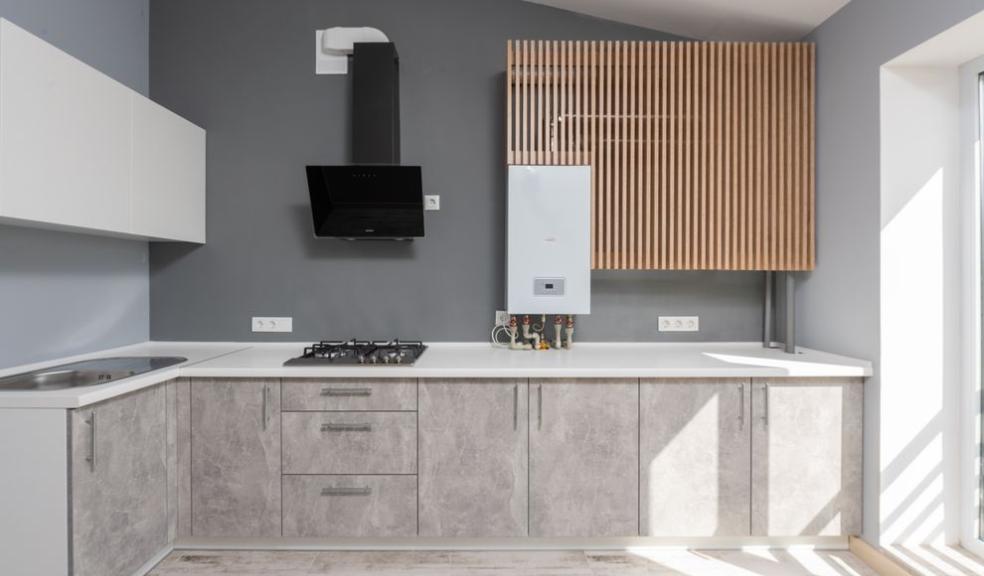
Heating a holiday home abroad: keep the boiler going
Owning a second home in France, Spain or Portugal is a long-held dream for many British buyers, and plenty of them now let the property out for part of the year. What rarely features in the glossy brochures is the heating. Yet a boiler that fails in February, with guests arriving or the owner a two-hour flight away, is one of the most common and costly headaches for overseas property owners.
Why boilers in holiday homes fail more often
A boiler in a property that stands empty for weeks at a time lives a different life from one in a family home. Long periods of inactivity let sludge settle, seals dry out and pumps stick. Pressure can drop slowly through a small leak that nobody notices. When the heating is finally switched on for the first cold weekend, the system protects itself and shows a fault code.
Lettings add another layer. Guests may reset the boiler repeatedly, bleed radiators without topping up the pressure, or turn the system off at the wall to save energy, which is not always good for frost protection.
A simple routine before every season
Owners and managers who keep heating problems to a minimum tend to follow the same routine:
Check the pressure gauge. Most sealed systems should sit around 1.5 bar when cold. If it is lower, top up via the filling loop and close it again afterwards.
Run the heating for a few hours before guests arrive. This brings hidden faults to light while there is still time to act.
Note the boiler's make, model and serial number, and keep a photo of the rating plate. When something goes wrong, that photo is worth more than any description over the phone.
Arrange a service by a qualified local engineer. Gas work is regulated in every European country, just as it is in the UK under the Gas Safe Register, and owners abroad should use a locally certified installer.
Parts are often the hidden delay
When an engineer does diagnose a fault, the repair itself may take an hour. Getting the part can take weeks, especially for older or less common boilers, and particularly in rural areas. Many overseas owners have learned to order genuine boiler spare parts themselves, using the part number the engineer gives them, and have them delivered to the property or the engineer before the next visit. Specialist online suppliers that ship across the EU often stock tens of thousands of original parts for the brands found in continental homes, such as Vaillant, Saunier Duval, Chaffoteaux and Remeha.
Think about fault codes before they appear
Modern boilers show a code when they lock out. Leaving a short guide in the property, with the boiler model, how to read the pressure, when it is safe to reset once and who to call, prevents guests from making things worse. Owners who keep a list of the common codes for their own boiler can often tell from a text message whether the problem is a simple top-up or a job for the engineer.
Frost protection when the property is empty
Many continental homes sit in regions where winter nights still drop below zero, even on the coast. Leaving the boiler switched off completely while the property is empty risks frozen pipes and a burst condensate drain. Most modern boilers have a frost protection mode that only works when the boiler has power and gas. Leave it on standby, set a low background temperature, and ask a neighbour or manager to check the pressure gauge once in a while.
A small investment that protects bookings
For a let property, a cold house means refunds and poor reviews. A pre-season check, a known engineer and quick access to the right parts cost little compared with a cancelled week in high season. Treat the boiler as part of the property's maintenance plan, not an afterthought, and the dream home abroad stays comfortable all year round.
Advertisement.