




This everyday habit could be secretly driving up your energy bill
As new research reveals homeowners are looking to cut costs, MyBuilder.com warns Brits against one costly mistake.
Brand-new data from MyBuilder.com, the reliable way to hire tradespeople, found that 14 million households say their energy bills feel completely out of their control. According to the Energy Squeeze Report, more than three quarters of Brits (76%) admit to watching how much electricity they are using - two-thirds (66%) are monitoring their gas usage for heating and cooking.
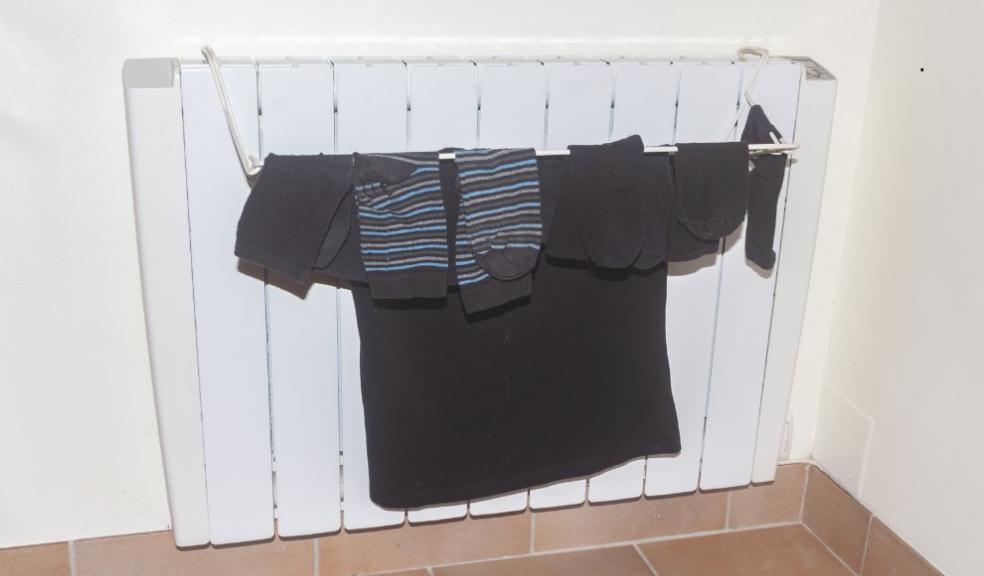
As homeowners hunt for ways to save money this winter, one everyday radiator habit could be quietly pushing these costs up. With radiators often doubling as makeshift drying racks for wet clothes, homeowners could be unknowingly making their heating less effective. Draping clothes over a radiator can restrict the circulation of warm air, meaning rooms may take longer to heat up, in turn pushing energy bills higher.
The impact goes beyond heating costs. According to data from MyBuilder.com, 15 per cent of people have noticed more mould in their property this year, which is understandable given that drying just one load of washing indoors can release more than two litres of moisture into the air. Increasing the humidity levels creates the ideal conditions for mould to grow. This means homeowners don't just have to worry about bills but also about their own health - as well as the health of their homes.
A dehumidifier is a more effective solution, removing excess moisture to help prevent mould, with running costs of around 14p an hour. In contrast, drying clothes directly on radiators can increase energy bills and contribute to condensation, mould growth and structural damage.
Andy Simms, from MyBuilder.com, says drying your clothes in the winter is a struggle, but using your radiator should not be the solution.
“It's understandable that, in the current economy, people are looking to reduce costs wherever they can. However, this common habit of putting wet clothes on the radiator could be costing you loads more.
“Drying clothes on a radiator isn’t just about the potential fire hazard or the fact that it's less effective at drying clothes. The bigger issues are its contribution to mould and dampness within your home, as well as the inability to heat your home, so you're left with a damp, cold house throughout winter, which is costing you.
“Instead, using a clothes drying rail or taking advantage of brighter, milder days to hang your washing outside or opening windows can make a real difference. And when drying clothes indoors, using a dehumidifier is effective to keep moisture low.”