



Low-Maintenance Garden Features That Could Appeal to Future Buyers
A garden can play a significant role in the first impression a prospective buyer forms of a home. An organised, usable outdoor area can help viewers picture morning coffee on the patio, summer meals outside or children having room to play. By contrast, an overgrown garden may immediately suggest a list of jobs waiting after moving day.
Not every buyer wants to spend weekends pruning, mowing and maintaining complicated borders. For homeowners thinking about future marketability, it therefore makes sense to create an outdoor space that looks appealing while remaining reasonably straightforward to care for. That does not require stripping the garden of character. A few practical design choices can help achieve a useful balance.
Start with a Clean and Defined Layout
Clear organisation can make a garden easier to understand at first glance. Paths should have an obvious purpose, seating areas should feel well positioned, and planting can be arranged so that it complements rather than dominates the available space.
Complex landscaping may suit a keen gardener, but potential buyers could view numerous beds, intricate planting arrangements and maintenance-heavy features differently. A simpler layout gives future owners greater freedom to put their own stamp on the space.
Keeping boundaries, paths and patios tidy also helps the garden feel cared for. Before marketing a property, relatively small jobs such as removing weeds, cleaning suitable surfaces and cutting back unruly plants can improve its overall presentation without requiring a major redesign.
Consider the Maintenance Different Surfaces Require
The choice of garden surface affects appearance, everyday use and ongoing upkeep. Each option comes with its own practical considerations, making it worth thinking about the type of buyer the property may attract as well as how the current household uses the space.
Natural lawns provide the traditional appearance many people associate with British gardens, although mowing and seasonal care need to be factored in. Paving can create a practical base for dining furniture and pots but may require periodic cleaning and weed management. Decking offers another way to define seating areas, with maintenance needs varying according to the material and finish.
Some homeowners may consider fake grass where they want the appearance of a green surface without regular mowing. It is one of several possibilities rather than a universal answer, and suitability will depend on factors such as intended use, drainage, personal preference and the character of the property.
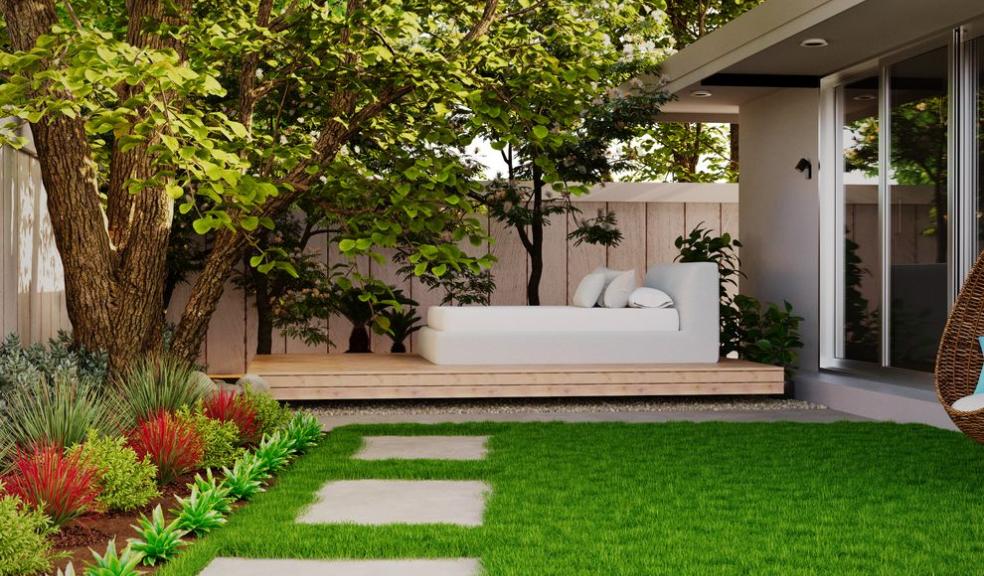
Combining surfaces can also make sense. A lawn or planted section alongside a defined patio, for example, can give the garden several uses without creating an elaborate arrangement.
Keep Planting Attractive but Manageable
Plants bring colour, texture and seasonal interest to an outdoor space. The challenge from a property perspective is finding a balance between an empty-looking garden and one that appears labour-intensive.
Established plants that suit their position can provide an appealing backdrop without relying on complicated planting schemes. Containers can add seasonal colour and are easy to move or replace, making them useful around entrances, patios and seating areas.
Pay particular attention to mature shrubs and trees. Plants that have become too large for their location can block light, crowd paths or make a modest garden appear smaller. Sensible pruning and regular attention can keep growth in proportion to the available space.
Borders also benefit from clear edges and sufficient room between plants. A relatively simple arrangement can still look attractive while making routine care feel achievable.
Create a Versatile Outdoor Living Area
A clearly identifiable place to sit or dine can help viewers understand how the garden might fit everyday life. It does not need to be large. Even a compact patio with enough room for a table and chairs can demonstrate that the outdoor area has a practical purpose.
Neutrality can be useful when thinking about future buyers. Highly personalised permanent structures may suit the current household perfectly but could make it harder for somebody with different priorities to picture using the space.
Furniture and movable accessories offer an easier way to add personality. Pots, outdoor cushions and planters can make a seating area welcoming while allowing future owners to adapt the setting without significant work.
Aim for Broad and Practical Appeal
Preparing a garden with future buyers in mind does not mean attempting elaborate landscaping or predicting exactly what every viewer will want. Preferences vary considerably, and no individual feature can guarantee a particular reaction or financial return.
Instead, concentrate on presentation, manageable planting, suitable surfaces and flexible areas with obvious uses. A tidy garden that feels straightforward to care for can contribute to a positive overall impression of the property while remaining enjoyable for the current household in the meantime.