



Green gold: The free hack that improves plants - and saves time!
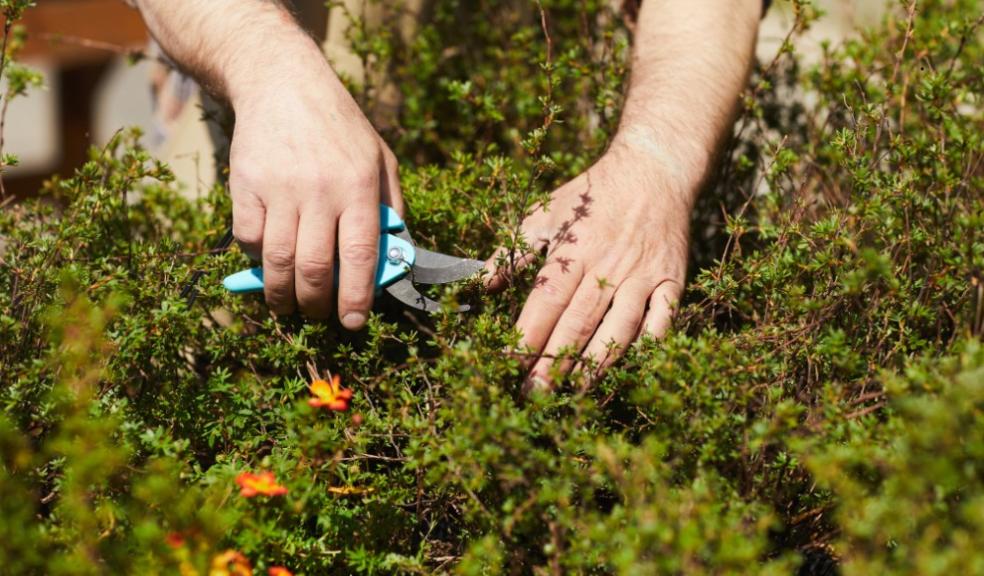
After a prolonged period of hot weather in July, many of our plants are starting to die back for Autumn. So for millions of Brits across the country, it’s time to reach for the clippers.This can seem like a laborious task as we collect waste and dispose of it, but now, an expert is advising gardeners to use this one simple trick to save time, and money.
An expert gardener from MyBuilder.com, the reliable way to hire tradespeople, has revealed that plant waste and clippings can actually provide a nitrogen boost as natural mulch and fertiliser, calling it “green gold”. And this hack could not be simpler - rather than carefully collecting our clippings one-by-one in garden waste bags, or raking them off the floor into bonfire piles, instead, leave them where they fall.
This serves several purposes, including providing natural mulch for soil, and covering patches of bare earth, which can dehydrate the ground. It can also act as fertiliser as it breaks down into the ground, potentially saving money on buying growing products, and is great for suppressing weeds and pests.
Ellen Fletcher, an expert gardener from MyBuilder.com, said that many professional gardeners view clippings as “green gold”.
“There’s a genuine benefit to leaving clippings where they fall - it sounds so simple but it’s a very effective way to help your garden.
“Bare earth is the enemy of gardeners, as it significantly dehydrates the ground. I’d always advise to lay mulch in any area that’s bare - and what better way than to use the organic matter that needs to be clipped from your plants anyway?
“It’s a really simple tip, but one that I recommend to everyone. It also saves times when you’re trying to manage your gardens - picking up clippings can be a very laborious job - so save yourself the effort and use your green gold.”
Ellen’s tips to maximise your green gold include:
Don’t use clippings with seeds
Unless you want new plants all over the place, remove clippings that contain seeds.
Apply in thin layers
Spread the clippings around so they are in thin layers - ideally one to two inches maximum.
Mix up green and brown
Where possible, mulch should include both “green” (grass cuttings, growing plants), and “brown” (twigs, dead plants) matter. The ideal ratio is about a third green to two thirds brown.
Watch out for nests
Major pruning is best left to early Autumn when nesting season should be well and truly over - but if you’re starting early, look out for nesting animals. If you find any, wait to prune until the nest is no longer in use.