




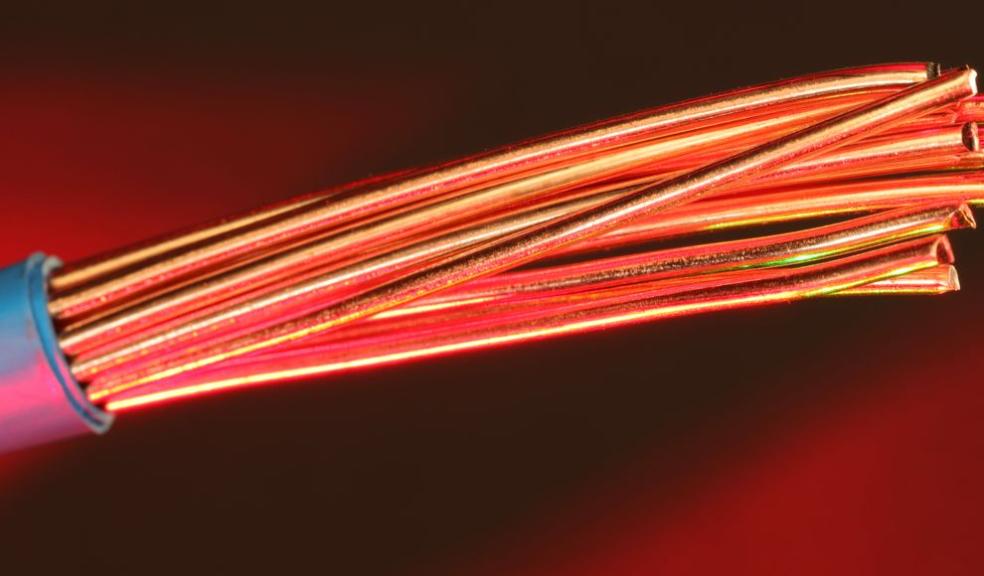
What UK households need to know about the copper switch-off scams
The copper switch-off was supposed to be finished by the end of 2025, but the deadline has been shifted to the end of 2027. Many people don’t know this, though, which has given scammers a big new opportunity to exploit confusion around the switchover to fibre-optic broadband cables.
Consumer groups, telecom providers and fraud experts have all sent out warnings about scammers who are posing as broadband providers, engineers and service agents. They’re convincing people that they need to make urgent payments or hand over personal information to avoid losing their phone service.
With millions of households set to move from traditional copper landlines to digital services over the coming years, it's important to understand what the copper switch-off actually involves - and how to spot the scams surrounding it.
What is the copper switch-off?
The UK's traditional Public Switched Telephone Network (PSTN), which has relied on our copper telephone lines, is now being replaced with digital technology.
Instead of travelling through copper cables, connectivity will be delivered using Voice over Internet Protocol (VoIP), which uses your broadband connection instead. This shift gives us access to services like Airband Talk, which is designed for the post-copper era.
The transition from copper to broadband has already been underway for a few years and is now expected to be completed by January 2027. For most households, the transition is relatively straightforward, and providers will contact customers well in advance if any action is required from your side.
If you're unsure how the process works or whether your household will be affected, you can check out this guide on when the copper switch-off will happen and who it will affect.
How do copper switch-off scams work?
Like a lot of successful scams these days, this one takes advantage of a real event.
Fraudsters know people have heard about the digital switchover but may not fully understand what it involves. They use that uncertainty to create urgency and pressure victims into acting quickly.
Here are some of the most common tactics we’ve heard about:
- Cold calls claiming to be from BT, Openreach or another provider
- Requests for immediate payment to "secure" or "activate" a digital phone service
- Threats that your landline will be disconnected unless action is taken straight away
- Emails or text messages linking to fake websites designed to steal personal information
- Doorstep visits from individuals claiming they need to upgrade equipment
The key thing to remember is that legitimate providers never demand immediate payment over unsolicited phone calls. Also, scammers will try to make you feel an emotion - fear, anxiety, stress - to get you to act without thinking it all the way through. If you have an emotional response when it should be a simple situation that the government is in charge of, that’s a big red flag.
Why are older people being targeted?
We’re sad to report that many of the reported scams have focused on older UK residents. These are people who still rely heavily on landline phones, and some vulnerable individuals also use telecare devices, fall alarms and emergency monitoring systems that operate through the telephone lines.
Fraudsters exploit concerns that these services could stop working after the switchover.
Several local authorities and support organisations have reported cases where elderly residents were pressured into sharing financial information after being told their phone service or safety equipment was at risk.
Unfortunately, this isn't a new tactic. Scammers tend to target major infrastructure changes and vulnerable people because people expect to receive genuine communications during periods of transition, and they often already have concerns.
Not every call is a scam
It's important to remember that providers are contacting customers about the switchover.
In one example shared on Reddit, a customer received a legitimate call from their broadband provider discussing future service options and associated costs. The customer declined to make any immediate decisions and asked the provider to contact them again later.
That's exactly the right approach.
How to protect yourself
The simplest defence is verification. So, if you receive an unexpected call about the copper switch-off, here’s what to do:
- Don't feel pressured to make a decision immediately
- Hang up and contact your provider directly
- Never share bank details during an unexpected call
- Be wary of urgent deadlines or threats of disconnection
- Verify any information relating to telecare or alarm systems with the device provider
- Report suspicious activity to Action Fraud
As an Airband connectivity expert shared, “Scammers rely on uncertainty and urgency. The more people understand about the copper switch-off and how legitimate providers communicate, the harder it becomes for criminals to take advantage of the situation.”
Just remember: While the scams are concerning, the switch-off and shift in technology is a positive one. Digital phone services provide clearer call quality, improved reliability and greater flexibility than ageing copper infrastructure.