




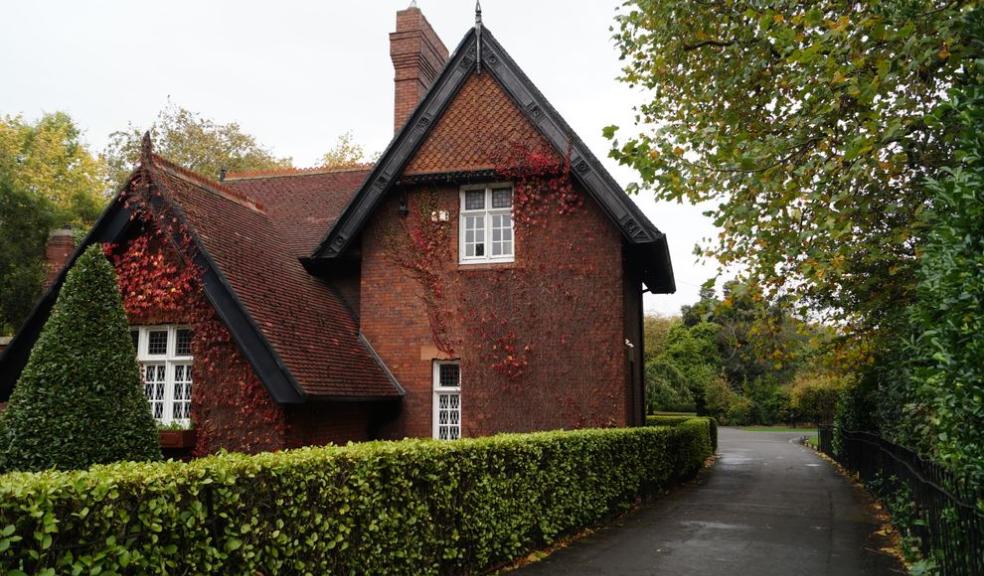
Why the Small Details Matter Most on an Older Roof
An older home can look sound from the street while rain is beginning to test its least visible roof details. Tiles and slates cover most of the surface, but junctions around chimneys, valleys and walls often do the most demanding work. Routine attention to these areas can help owners act before a small defect affects plaster, insulation or timber.
Start with chimneys and flashings
A chimney creates several meeting points between masonry and the roof covering. Leadwork and mortar should guide water around those edges. From the ground, look for lifted lead, loose mortar, vegetation or a change in the line of the chimney. A stain around a chimney breast does not always identify the exact entry point because water can travel before it becomes visible indoors.
Keep valleys and gutters clear
Valleys carry concentrated rainwater and can collect moss, leaves and fragments of material. Gutters complete the same drainage route at the eaves. Overflow during steady rain, dark streaks beneath a joint or repeated damp near the top of a wall are useful warning signs. Homeowners should avoid climbing onto an unfamiliar roof and use a safe ground-level view instead.
Treat alterations as extra junctions
Dormers, porches and later extensions add corners, flashings and sometimes small flat roofs. Those details need free-flowing outlets and secure seals. When seeking advice from a roofing company, it is worth asking for the main covering and every junction to be considered as one weatherproofing system.
Regular observation is more useful than waiting for an obvious leak. Checking after prolonged rain, watching gutters in use and noting any indoor change gives an older roof the measured care it deserves.
Keep a simple maintenance record
A dated photograph and a note about the weather can be surprisingly valuable. They help distinguish a long-standing cosmetic mark from a fresh change and give anyone inspecting the roof a clearer starting point. Record gutter overflow, fallen material and the location of indoor staining. If work is carried out, keep the description with the property records so later owners or contractors understand what was addressed and which areas remain under observation.
Read the roof in context
The age and layout of a home affect how its roof should be assessed. A straightforward pitched roof may have relatively few junctions, while a character property with several additions can contain multiple pitches, valleys and changes of material. Previous repairs can also reveal where water has caused trouble before. Rather than focusing only on the newest mark, consider whether the area connects to an older alteration, a chimney or a rainwater route. That context helps an inspection concentrate on the details most likely to explain the change.
Separate urgent signs from routine wear
Not every weathered surface needs immediate replacement. Slight colour variation, lichen and old mortar can be part of normal ageing. A loose material above a path, active water entry or a visibly unstable chimney is different and should be treated promptly. Between those extremes are items that can be recorded and monitored, such as a small area of wear that remains dry. A clear distinction between urgent, planned and observational work prevents unnecessary alarm while ensuring that genuine risks are not delayed.
Think about ventilation and moisture
An indoor mark can sometimes be related to condensation rather than rain. Moist air from the home may reach a cold loft if ventilation is restricted or insulation blocks the eaves. The timing provides useful evidence: a patch linked closely to prolonged rain points in a different direction from widespread moisture that appears during cold, still weather. Both deserve investigation, but the remedies are not the same. A sound assessment considers the external covering, ventilation and household moisture together before recommending work.
Make repairs compatible
Older roofs often contain materials that move and weather differently from modern substitutes. A rigid patch beside flexible leadwork or an unsuitable mortar around older masonry may solve the visible gap only briefly. The objective should be to restore the intended route for water while preserving sound tiles, slates and details. Asking what material will be used, why it suits the surrounding roof and how the repair will be checked afterwards gives the owner a more useful basis for reviewing the work.
Ask for a clear repair scope
A useful quotation identifies the slope or junction being repaired, the access required and which surrounding materials may need to be lifted. It should explain how the area will be protected if rain interrupts the work and what happens if concealed deterioration is found. Ask whether gutters will be cleared of debris before access is removed and whether photographs will be provided. Clear scope does not guarantee that a hidden issue will never appear, but it establishes what has been allowed for and how a change will be discussed. That makes proposals easier to compare and reduces the chance that an important connected detail sits outside everybody's assumed responsibility.
Compare evidence across different weather
A roof can behave differently in light rain, wind-driven rain and a prolonged wet spell. If a mark appears only when the wind comes from one direction, note that detail rather than describing the problem simply as a leak. Photograph gutters while they are carrying water from a safe position and record whether overflow begins immediately or only after sustained rain. This information helps distinguish a local obstruction from a capacity, fall or connection problem. It also makes a follow-up visit more useful because the person inspecting the roof can test a plausible route instead of relying on a dry-weather snapshot.
Protect people while the issue is assessed
Loose mortar, displaced tiles and unstable chimney details can create a risk below as well as a weatherproofing problem above. Keep paths, seating and parking away from the affected elevation until it has been assessed. Inside, move possessions from beneath active staining and be cautious around electrical fittings. Do not puncture a bulging ceiling or climb onto the covering to search for the source. Sensible temporary precautions reduce avoidable damage while preserving clear evidence of where and when moisture appeared.
Review the repair after completion
Close-out photographs should show the repaired detail and its relationship with nearby tiles, flashings and drainage. Keep the scope, materials and date with the property records, then observe the area during the next suitable rainfall. An old stain may take time to dry, so look for fresh moisture, changes in size or a return of the original symptom. A short review confirms whether the intended water route has been restored and gives the owner a reliable baseline for future seasonal checks.