



Why Albania is becoming one of Europe's most exciting property markets
While most property investors are busy watching prices climb in Lisbon, Valencia or Dubrovnik, a quieter but far more compelling story is unfolding on the eastern shore of the Adriatic. Albania, for decades largely overlooked by Western European buyers, is entering a phase of growth that feels less like a trend and more like a structural shift. Rising tourist numbers, improving infrastructure, EU accession talks, and a coastline that rivals anything in the Mediterranean are converging at exactly the right moment. If you have been wondering whether you missed the window on Southern European property, the honest answer is that a new one has opened.
A coastline that has only just been discovered
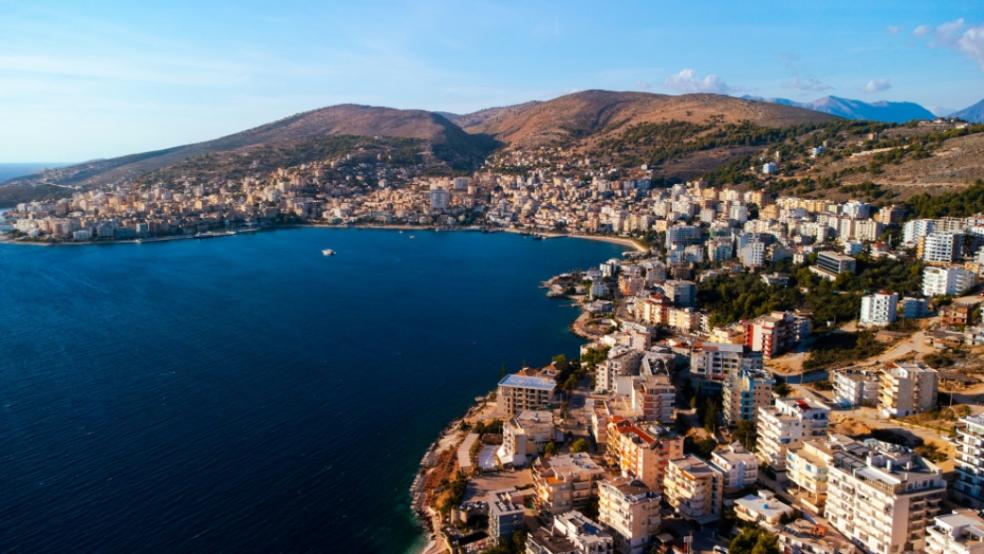
The Albanian Riviera stretches roughly 170 kilometres from Vlorë down to the Greek border, and until recently it was one of the least commercialised stretches of Mediterranean coastline left in Europe. That is changing fast. In 2025, Albania recorded more than 10 million tourist arrivals, a figure that would have seemed impossible a decade ago. New hotels, beach clubs and direct flight routes have followed, and with them has come a wave of international interest in residential property. Buyers from Germany, the Netherlands, Switzerland and the UK are increasingly drawn to towns like Sarandë, Ksamil and Himara, where sea views and warm summers can still be purchased at prices that Western Europe stopped offering a generation ago.
The economic case is difficult to ignore
Albania's economy has grown consistently over the past several years, and its GDP growth rate has regularly outpaced the European average. The government has made significant investments in road construction, port development and energy infrastructure, all of which directly support long-term property values. Albania is also formally in EU accession negotiations, which brings regulatory reform, increased foreign investment confidence and gradual alignment with European standards. For property investors, EU candidate status has historically acted as a powerful price catalyst, as seen previously in Croatia, Bulgaria and Romania. Buying ahead of that curve, rather than after it, is where the real upside tends to be.
What makes Albania different from other emerging markets
One angle that tends to get overlooked in the standard coverage of Albanian property is the relatively low cost of living that supports strong rental yields. Unlike many Southern European markets where tourism has outpaced local affordability and created structural tensions, Albania still has significant room to grow in both directions simultaneously. Short-term holiday rentals in coastal areas are generating impressive seasonal returns, while long-term letting to expats and remote workers is building a more stable base. The country uses the lek as its currency, but USD and EUR are widely accepted in property transactions, which removes a layer of friction for international buyers. Those looking at property to buy in Albania will find a market that combines accessibility with genuine upside potential.
Getting started without the usual headaches
One of the most common concerns among first-time buyers in emerging markets is navigating the legal and administrative process without falling into avoidable traps. Albania has made genuine progress in land registry reform and property law clarity over the past decade, and working with a local specialist dramatically reduces the complexity. Reputable agencies with on-the-ground presence can guide buyers through due diligence, title verification and the purchasing process in a way that makes it feel far less daunting than the reputation suggests. For buyers who want a knowledgeable starting point, Albania Invest offers a clear and practical entry point into understanding what the market actually looks like in mid-2026.
The window is open, but it will not stay this wide forever
Every genuinely undervalued property market has a period where the fundamentals are strong, the prices are still reasonable and the competition among buyers is manageable. For Albania, that period is now. The infrastructure is improving, the tourism numbers are rising, the legal environment is becoming clearer and international awareness is growing month by month. Within three to five years, the conversation will likely have shifted from "have you heard about Albania?" to "did you get in before the prices moved?" The investors who look back with satisfaction will be the ones who asked the right questions in 2026, not in 2029.