




4 Legal Things You need to know before buying your first home
Buying your first home can be exciting, but it can also be scary. After years of saving up, searching, and finally checking out a home that you will probably have for the rest of your life, you can feel a sigh of relief as the process is almost complete. However, one of the pitfalls that many new homeowners fall into is the legal liabilities and checks that you should make before and after purchasing property.
With so many laws and checks, from HM Land Registry to leases, contracts, and exchanges, the legal process can slow down your progress if it isn't followed and checked correctly, causing delays and even legal troubles that are time-consuming and costly to fix.
So if you're planning on purchasing your first home or you're just about to close a deal on a new home, here are the 4 most important legal things that you should know before you buy your first home so you can be in the know and the process can run as smoothly as possible.
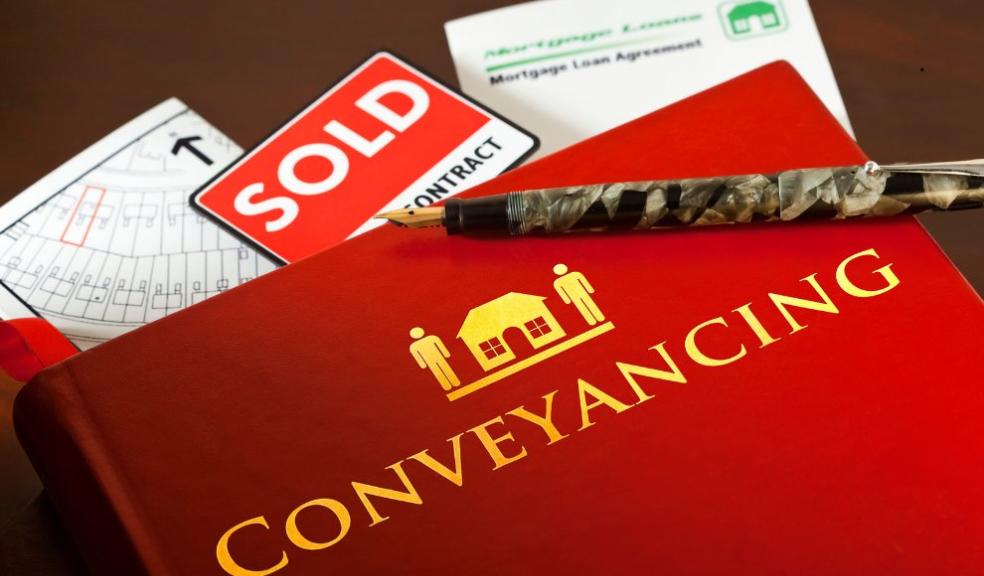
The conveyancing process is the process in which property ownership is legally transferred from seller to buyer. This process can be quite quick, taking around 8 weeks; however they can stretch to well over 16 weeks if there are legal issues, which can slow down the moving process by months.
This process usually starts off with a conveyancing solicitor accepting an offer and drafting up the deeds for the contract pack. A few weeks later, the buyer's conveyancer will conduct local authority, water and environmental searches to ensure that the property is as stated and there are no underlying conditions which have not been stated. The final weeks of the conveyancing process: both parties sign the contract, and this becomes legally binding. This process can bring up issues that have not been covered; therefore, this is where delays come in. The important thing here is to be thorough and ensure that you are employing a trusted conveyancer.
Mandatory property searches are not only legally necessary, but they help to uncover any issues surrounding the property which may be unknown or have been hidden from the buyer. These can include local council plans for the area, environmental issues such as pollution and road rights for the area outside the home and roads leading to it. This search also covers panning permission grants from the local authority, as well as water and drainage systems connected to the home, ensuring that they are connected to the public mains and sewage lines.
Exchange of contracts makes the house purchase a legally binding contract. This is the stage where you pay your deposit, which is usually 10%, to your solicitor. At this stage, the contract is written and signed; therefore, any changes at this stage could lead to losing the whole deposit or even legal issues and penalties for not staying true to your contract.
This makes it extremely important to ensure that you are 100% certain before this stage, as a legally binding document can cause you to be in legal and financial trouble if you are not completely set on the property.
You must register your new ownership with HM Land Registry to show that you own the property fully. This registration can help you, just like proof of British citizenship would. In this case, an HM Land Registry title registration can help to protect you in the future if you ever come across property disputes or fraud claims, as you have official ownership of the property which is registered with an authority. This means if there is ever a dispute over land claims, or if the owner before has been in legal issues which have moved oved over to your property, this registry can prove your ownership to courts. All you need to do is use a Form FR to update names, remove mortgages or change ownership details so you have a digital or physical copy of ownership.
There is a small fee that comes with getting an online copy of a title register, which costs around £7 or a physical copy, which costs around £11.
Final thoughts
Purchasing your first property can be an exciting experience with so much finally coming together; however, ensuring that you are covered legally before you purchase and settle into your property is extremely important not just to avoid trouble in the future when it comes to planning and structural issues, but also to make the process as smooth as possible. However, when you follow these 4 key tips, your transition into your new home can be easy and quick, so you can get into your new home and make it yours as soon