



Simple Interior Updates That Can Refresh a Property Without Major Renovation
A dated interior does not necessarily mean a property needs extensive building work. Rooms can begin to feel tired because colours have fallen out of favour, furniture is showing signs of wear or decorative details no longer work well together. Addressing these areas can change the overall impression without removing walls, replacing kitchens or committing to months of disruption.
For homeowners and landlords working with a sensible budget, cosmetic updates provide plenty of possibilities. The key is identifying which existing features are worth keeping and where relatively modest changes could have the greatest visual effect.
Refresh Rather Than Replace Furniture
Before replacing older furniture, consider its condition. A solid dining chair, armchair or footstool may have years of useful life remaining even when its covering looks worn or dated. If the frame is sound and the piece still works well within the room, updating its appearance may be worth considering.
Reupholstery is one way to change the character of suitable furniture. Choosing a new furnishing fabric allows colour, pattern or texture to be introduced while retaining the original item. Smaller projects, such as recovering dining chair seats, may also be manageable for people with some DIY experience.
Wooden pieces offer other possibilities. Depending on their material, finish and condition, suitable tables, cabinets and shelving can sometimes be refreshed with paint or an appropriate wood finish. Changing handles on drawers and cupboards can also alter their appearance for relatively little effort.
Introduce a More Cohesive Colour Palette
Rooms often look disjointed because colours have been added gradually without much connection between them. Establishing a simple palette can make the interior feel calmer and better considered.
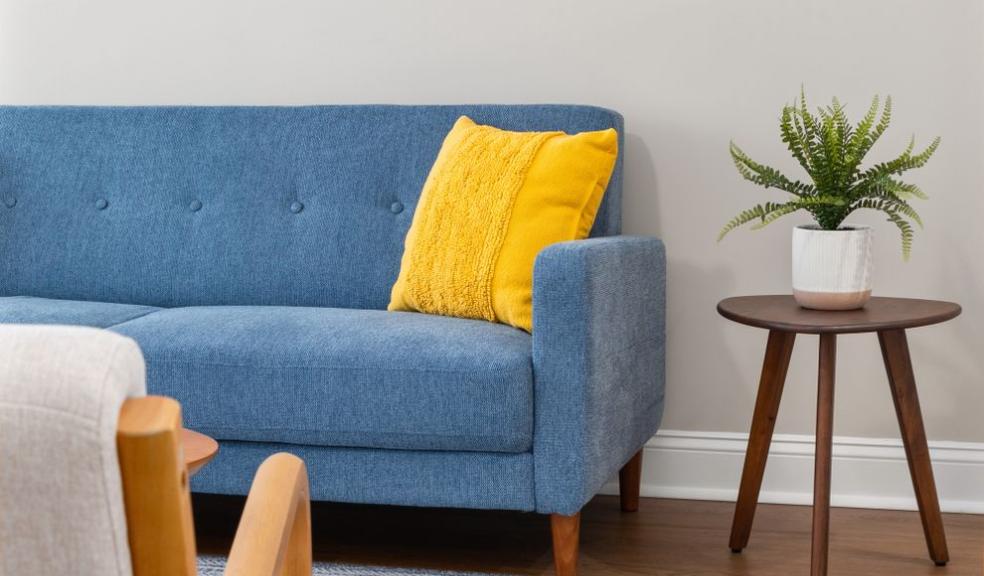
Neutral shades can provide a flexible foundation across walls and larger pieces. Warm whites, soft greys, muted greens and natural tones can then be paired with a smaller number of accent colours. Those accents might appear on cushions, curtains, artwork or occasional furniture.
There is no need for everything to match exactly. Repeating related shades at different points around a room is often enough to create a visual connection.
Paint can be particularly useful when refreshing interiors on a limited budget. Rather than changing every surface, focus on areas where marks, fading or outdated colours are most noticeable. Careful preparation matters, especially when working with previously painted surfaces.
Pay Attention to Lighting
Lighting has a significant effect on how a room looks and functions. Start with the daylight already available. Heavy furniture positioned close to windows can make a room feel darker, so rearranging existing pieces may help light travel further through the space.
Window coverings deserve similar consideration. Curtains that extend well beyond the glass when open can allow more daylight through, while mirrors positioned thoughtfully can reflect light around certain rooms.
After dark, relying on a single ceiling fitting can leave some areas poorly lit. Layering different light sources provides greater flexibility. A combination of ceiling lights, floor lamps and table lamps allows lighting to be adjusted according to the activity.
Think about function as well as atmosphere. Reading chairs benefit from nearby lighting, while kitchens and home-working areas require sufficient illumination for practical tasks.
Concentrate on the Finishing Details
Once the larger elements have been addressed, smaller details can help connect the room. Curtains, cushions and rugs introduce opportunities to repeat colours and textures without making permanent changes.
Artwork can have a similar effect. Rather than placing pictures wherever there happens to be an empty wall, consider their relationship with the furniture below and the colours elsewhere in the room. Grouping smaller pieces can sometimes create a stronger visual feature than spreading them throughout the property.
Decorative accessories work best with a degree of restraint. A few carefully selected objects, books, plants or ceramics can add personality without making shelves and surfaces feel cluttered.
Landlords preparing a rental property may prefer simpler decorative choices that leave tenants room to add their own possessions. Homeowners can afford to be more personal, incorporating favourite colours, artwork and objects that reflect their tastes.
Make Small Changes Count
Refreshing an interior does not have to begin with a major renovation. Existing furniture, a clearer colour scheme, better-positioned lighting and coordinated accessories can all change how a property looks and feels.
The most suitable updates will vary according to the condition of the property, its occupants and the available budget. By concentrating spending and effort on areas that genuinely need attention, property owners can create fresher, better-presented rooms while avoiding the cost and disruption of unnecessary building work.