



Which Screws to Choose for Furniture Assembly?
The selection of appropriate screws affects the durability of joints, structural stability, and safety of furniture use. The type of material, board thickness, and assembly method determine which fasteners will perform best. Below is an overview of the most commonly used furniture screws, guidelines for their selection, and solutions applied when assembling cabinets made of particleboard, MDF, and wood.
Types of Furniture Screws
The type of screw used directly impacts the joint strength and the furniture's resistance to long-term wear and tear. The material from which the carcass is made dictates the thread design, screw length, and head type.
Screws designed for wood-based materials are most commonly used for assembling furniture made of particleboards and MDF. Their specifically engineered thread ensures a secure fit in the board, minimizes the risk of pull-out, and reduces the likelihood of edge damage during installation. Many structures utilize models with a full thread along the shank, as they increase the clamping force and enhance joint stability.
A specific category comprises confirmat screws, which are specialized fasteners designed for joining furniture boards. Thanks to their coarse thread and carefully selected geometry, they guarantee durable joints even under intensive furniture use. This solution is applied when assembling cabinets, shelving units, chests of drawers, and other carcasses made of particleboard or MDF.
Prior to installing confirmat screws, holes must be pre-drilled using a dedicated step drill bit, which simultaneously prepares the space for the thread and countersinks the screw head. This ensures an aesthetic finish and reduces stresses occurring within the material. The most frequently used sizes include 4×50 mm and 4×60 mm.
In structures utilizing solid wood or during the installation of furniture hardware, conventional wood screws are frequently employed. The sharp thread ensures effective anchoring, while the countersunk head allows for a flush fit with the material surface. For laminated boards, it is advisable to select models with a countersunk or raised countersunk head to minimize the risk of damaging the decorative layer. In applications where pre-drilling is not feasible, self-drilling screws are also utilized.
Corrosion resistance is also of great importance. In rooms with elevated humidity, such as bathrooms or laundry rooms, stainless steel screws present an advantageous solution, as they retain their properties over an extended period.
Selecting the Right Screws for Furniture Boards
The selection of screws must be tailored to the board type, its thickness, and the anticipated load on the finished piece of furniture. This approach yields durable joints and mitigates the risk of components loosening during use.
Particleboards and MDF differ in structure; however, in both cases, full-thread furniture screws deliver excellent results. The appropriate design increases the contact area with the material and improves the overall joint strength. The screw length is equally critical—one that is too short will fail to provide adequate holding power, whereas one that is too long may damage the opposite side of the board.
The head type remains a crucial parameter as well. Depending on the furniture construction, countersunk, pan, or raised countersunk heads are applied. When properly selected, they facilitate an aesthetic finish and eliminate protruding elements that could hinder usability.
For the assembly of furniture carcasses, confirmat screws remain among the most widely used solutions. Their wide thread effectively transfers loads generated during the daily use of cabinets, shelving units, or chests of drawers. However, the prerequisite for a durable joint is the precise execution of mounting holes. Even a minor deviation can compromise joint stability or lead to board damage.
For fixing hinges, drawer runners, or other hardware, classic wood screws are frequently employed. If the furniture is to be used in high-humidity environments, it is worth considering corrosion-resistant fasteners. Manufacturers specializing in fastening technology, such as Marcopol, offer solutions tailored to various furniture production technologies and materials used in the industry.
Furniture Assembly and Joining Furniture Boards
The longevity of furniture depends not only on the type of screws used but also on the correct execution of joints. Precise assembly minimizes the risk of looseness and increases the structural resistance to loads.
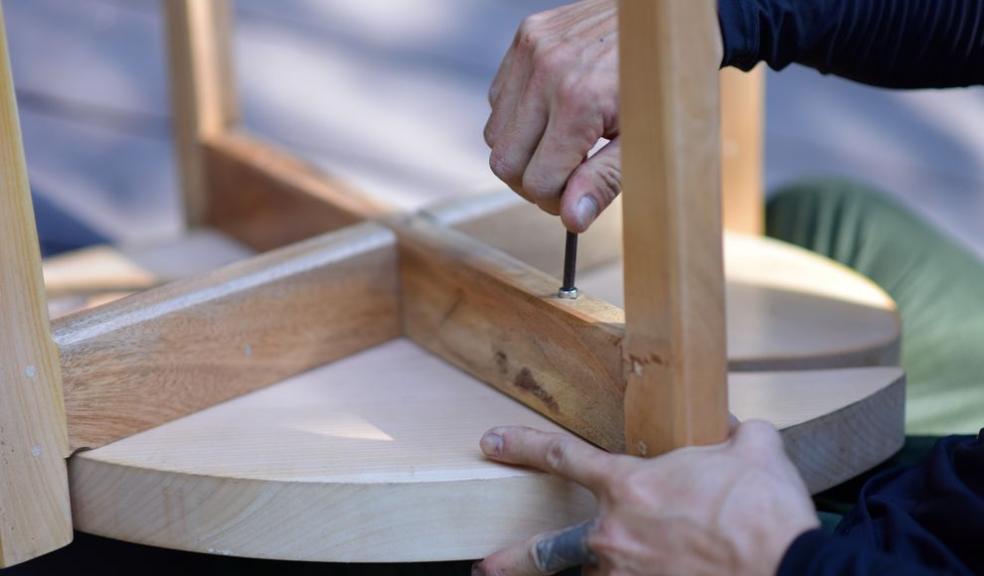
The primary stage in assembling most furniture is constructing the carcass. At this stage, it is particularly important to maintain appropriate edge distances and to drive the screws at the correct angle. This prevents material splitting and preserves the full strength of the joint.
When using confirmat screws, pre-drilling holes is essential. A specialized drill bit prepares the space for both the thread and the screw head, ensuring the element is fully countersunk into the board surface. This solution enhances the aesthetic appeal and prevents damage during subsequent assembly steps.
The most commonly used confirmat sizes include:
- 4×50 mm – for the assembly of standard cabinets and carcasses,
- 4×60 mm – for joints requiring a greater embedment depth.
When screwing laminated boards, special attention must be paid to the drilling quality and the tightening torque. Excessive force can lead to chipping of the laminate or weakening of the joint. Gradual tightening with torque control yields significantly better results than abrupt driving with maximum force.
Guide to Selecting Screws for Various Materials
The type of material dictates the screw design and the assembly method. Matching the fasteners to the substrate increases joint durability and limits the risk of damage even during the furniture assembly phase.
The most commonly applied solutions include:
- particleboards and MDF – full-thread screws and confirmat screws,
- joining furniture carcasses – confirmat screws ensuring high joint strength,
- solid wood – classic wood screws with a sharp thread,
- laminated boards – screws with a countersunk or raised countersunk head, mitigating the risk of surface damage,
- thin metal components or locations where pre-drilling is impossible – self-drilling screws, applied in accordance with project requirements.
The resistance of fasteners to operating conditions is equally critical. Standard indoor furniture typically utilizes zinc-plated steel screws, whereas bathroom, kitchen, or utility room fittings require moisture-resistant components.
Before commencing assembly, it is also advisable to verify the technical parameters of the fasteners used. Properly selected furniture screws, the correct drilling method, and careful assembly translate into structural longevity, user safety, and the aesthetic appeal of the finished piece of furniture.