



How To Actually Increase The Value of Your Home When Renovating
Homeowners across Exeter are thinking more carefully than ever about where their money
goes when they renovate, and I'm asked some version of the same question most weeks: is
a bespoke kitchen, dressing room or home office actually worth the investment, or is it
simply a nice thing to have? I've spent over 15 years designing and handcrafting interiors
across New Zealand and the UK, and now lead a small team of designers and craftsmen
from a workshop in Devon, which has given me a fairly clear view of which choices
genuinely pay off, and which ones homeowners come to regret a few years down the line.
The kitchen still leads, but not always for the reasons people assume
It won't surprise anyone that the kitchen remains the room with the strongest return when it
comes to renovation, but the reasons behind that are worth unpacking. National renovation
data puts kitchen returns at 60-80% of the money spent, with a well-specified kitchen
typically adding up to 10% to a property's overall value, though the size of the kitchen has
less to do with this than people expect. What tends to matter more is whether the space has
actually been designed around the people using it, rather than around what looked good in a
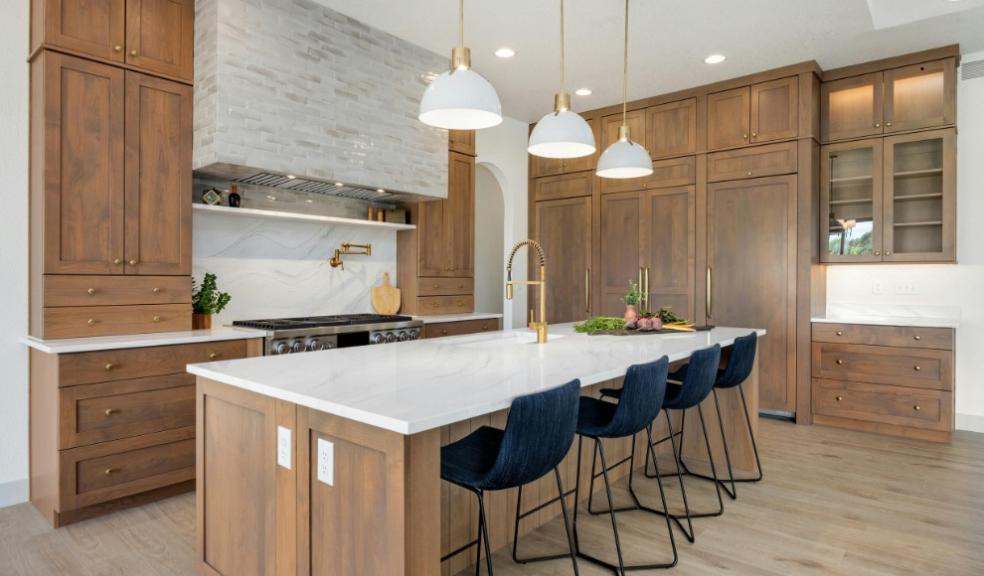
brochure. That might mean a kitchen island with adequate comfy seating at one end,
accommodating the owner's desire to frequently have friends and family over, with a discreet
wine fridge hidden behind handcrafted cabinetry below, meaning a chilled drink is always
within reach. Or the bespoke design might be a run of seamless solid wood cabinetry that
conceals the coffee machine and toaster behind a pocket door, allowing for the space to
remain organised and uncluttered, maintaining a clean and modern aesthetic.
A bespoke kitchen designed around how the people within it actually live tends to both
photograph and feel better than one bought off a showroom floor because it has been
created with a truly personalised approach, designed with intention and built specifically for
your individual home, rather than dropped in wholesale. For homes in Exeter and the
surrounding regions, a well-planned bespoke kitchen renovation tends to be one of the best
places to start if you're wanting to increase your home value, with resale uplift often running
into the tens of thousands depending on the design, layout and materials present in the
'before' version and the features added to the 'after'
Beyond the kitchen, bespoke dressing rooms and home offices are catching up when it
comes to return on investment. Recent figures suggest a dedicated home office can add
somewhere between 5% and 15% to a property's value, and with more than a third of British
workers now doing at least some of their week from home, a properly designed home study
has gone from an afterthought squeezed into a landing to something buyers actively look for.
A beautifully designed walk-in wardrobe, whether its select-grade walnut veneers with solid
brass inlays, custom brass handles and oiled bronze glass doors or bespoke storage
configurations with warm backlighting, each component can be crafted to account for the
exact dimensions of that specific Exeter home. A bespoke design can maximise available
space, be fitted to the exact dimensions of that specific room and keep the space feeling
clean and organised, all whilst adding a sense of understated luxury that greatly increases
buyer appeal.
Where homeowners go wrong
The most common mistake I see is treating a renovation as a like-for-like swap, ripping out a
kitchen or wardrobe and replacing it with something similar but newer, rather than thinking
about how the room could actually be improved functionally or enhanced visually. A
catalogue kitchen can look fine in photographs, but buyers and valuers can often tell the
difference between something bought off the shelf and something designed around the
specific dimensions and habits of a household, built with the intention of lasting decades
rather than five years before the next refit.
The second mistake is underestimating how much the small details matter, such as the way
a soft-close drawer closes quietly without slamming; the coordinated colour palettes that use
intentional accents to complement the overall design; or internally lined cabinetry with
anything from imperial saffron to hand-stitched leather for a finish that shows no detail was
overlooked, even those that aren't always visible.
Although those won't always show up in listing photos, it becomes apparent the moment
someone walks through on a viewing and can see these rich details in person. Buyers rarely
put "soft-close drawer" on their wish list, but they register the feeling of quality without
necessarily knowing why when they use it during a viewing, and that feeling shapes how
much they're willing to offer.
What tends to add the most value
If I had to point Exeter homeowners towards the features that add the most value for the
money spent, I would highlight three areas. The first is well-considered storage that goes
beyond a standard run of cupboards, such as a hidden pantry or larder behind handcrafted
cabinetry doors, an appliance garage that keeps the kettle, toaster and a charging station
out of site, or an integrated wine cooler built into the island's cabinetry. These features tend
to make a strong impression because they signal a home that has been designed with
genuine forethought, meaning and intention, rather than simply furnished or put-together
without consideration for the end design and its functionality. The second is a kitchen
designed around how a household actually cooks and eats, rather than how a showroom
kitchen is styled for a brochure. The third is media units or study spaces that make a home
feel workable for modern life, which matters increasingly given how many buyers are now
weighing up whether a property can support working from home.
Material choices matter just as much as layout, and this is somewhere I think a lot of
homeowners underspend. Solid wood cabinetry and worktops in natural stone such as
marble or quartzite tend to hold their value and their appearance far better than laminate or
veneer alternatives, and buyers can usually tell the difference at a glance, even if they
couldn't explain why. The finer details also count for more than people expect; a colour
palette that has been coordinated across cabinetry, walls, hardware and flooring, rather than
chosen for each individual room separately, gives a home a sense of cohesion that buyers
notice. The same goes for handles, sinks, taps and hinges that match in finish and style from
room to room; they read as intentional rather than incidental, and that sense of a considered,
cohesive design is often what separates a home that simply looks good, and one that feels
made to be lived in.
What Exeter buyers want right now
Exeter's property market has genuine momentum, with sales activity up more than 15% year
on year and prices forecast to keep climbing through 2026, so there is real competition
among buyers for the right properties. From what I see day to day, those buyers tend to
respond well to homes that feel distinct, with character and charm, rather than those that feel
soulless or overly uniform. There is also a growing appreciation for designs that demonstrate
authenticity and craftsmanship; homeowners like knowing that a kitchen or dressing room
was made by someone with expertise and skill, and by someone who took pride and care
with every detail they crafted. Many also value that craftsmanship coming from local
businesses, knowing their design is made by someone who understands the local
architecture and the kind of homes found around Exeter, rather than manufactured
somewhere they will never visit, by someone who may not understand their home's unique
characteristics or history.
In the end, the renovations that hold their value tend to be the ones built with attention to
detail, quality materials and with consideration of the home's specific layout and existing
design. It is a question worth putting to whoever you work with before committing to a
budget, not what will this look like next year, but what will it still be worth in ten.
By Tom Stokes, the founder of TRS Bespoke Interiors trsbespokeinteriors.co.uk