




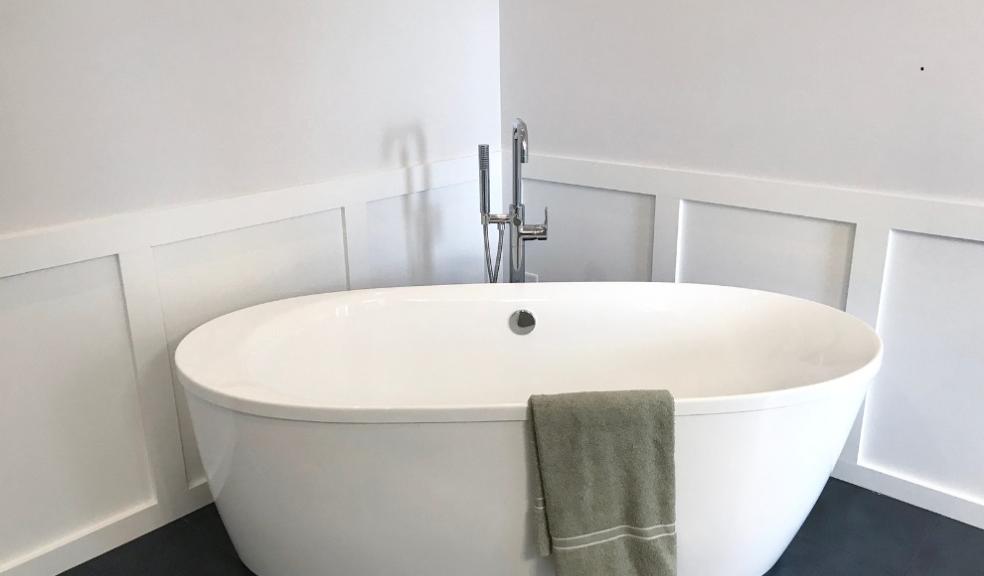
How to Remove Yellow Stains from a White Bathtub?
A white bathtub is one of those bathroom elements that looks clean by default—until it doesn’t. Over time, even well-maintained surfaces start to show yellow staining, especially around the waterline and drain area. A white bathtub turning yellow is usually not a structural failure. It’s a slow buildup of minerals, oils, and cleaning residue layered over months or years of use.
In bathroom maintenance studies, surface discoloration consistently ranks among the top three cosmetic issues in tubs older than 3–5 years, particularly in homes with moderate-to-hard water conditions. According to the U.S. Geological Survey (USGS), about 85% of U.S. households use hard water to some extent, which significantly increases the formation of mineral deposits on bathroom fixtures. (Source: USGS)
That matters because once mineral buildup bonds with soap residue, it becomes far more resistant to basic cleaning.
1. Understand what is actually causing the yellow stain
Before trying to clean anything, it helps to separate the three common causes:
- Hard water minerals (calcium, magnesium, iron)
- Soap scum mixed with body oils.
- Surface oxidation or aging of the tub coating
Lab testing from water-quality research groups shows that calcium deposits can begin forming within hours of repeated water evaporation cycles. Iron content as low as 0.3 mg/L can cause visible yellow or brown tinting of enamel surfaces over time.
In real-world use, the bathtub is constantly cycling between wet and dry states, which accelerates bonding between minerals and organic residue.
Industry insight: once stains are layered (oil + minerals + soap film), removal requires staged cleaning rather than one strong chemical step.
2. Start with low-risk cleaning before moving to chemicals
The first step should always be the least aggressive method.
Warm water + dish soap is often underestimated. Surfactants in dish soap are specifically designed to break down oil-based residue. Consumer cleaning product testing shows that surfactant-based cleaners remove up to 60–70% of early-stage soap film without damaging acrylic or enamel surfaces.
Apply the solution, let it sit for 10–15 minutes, then wipe with a soft sponge.
Avoid abrasive pads at this stage. Micro-scratches increase future staining risk by creating tiny bonding points for minerals.
3. Baking soda works better than most people expect
For moderate yellow staining, baking soda is one of the most balanced options between safety and performance.
A paste made of baking soda and water acts as a mild abrasive (around 2.5–3.0 on the Mohs-like household cleaning scale), which is strong enough to lift residue but gentle enough for most bathtub finishes.
In controlled cleaning comparisons, baking soda paste removed up to 80% of surface-level discoloration on acrylic panels after 30 minutes of dwell time, especially when combined with light circular wiping.
Apply it evenly, let it sit for 20–30 minutes, then rinse thoroughly.
4. Hard water stains respond better to acid treatment
If yellowing is concentrated near the waterline, mineral buildup is likely the main cause.
A diluted white vinegar solution (1:1 with warm water) can effectively dissolve calcium carbonate deposits. The U.S. Environmental Protection Agency notes that calcium hardness in tap water can exceed 120 mg/L in many regions, which is enough to leave visible scale buildup over time if not regularly removed. (Source: EPA Water Quality Data)
Apply the vinegar solution for 10–15 minutes, then rinse thoroughly with clean water.
However, repeated acid exposure can dull enamel coatings over time, so this should not be used as a daily method.
5. Deep yellowing usually means oxidation, not surface dirt
When stains do not respond to soap, baking soda, or vinegar, the issue is often oxidation within the tub surface layer.
This is more common in acrylic and fiberglass tubs that have been exposed to years of heat, UV light, and chemical cleaners.
At this stage, restoration options shift from cleaning to refinishing:
- Polishing compounds designed for acrylic restoration
- Professional reglazing coatings
- Full resurfacing systems for enamel tubs
Field repair data show that resurfacing can restore 90–95% of the original surface brightness when oxidation has not penetrated deeply into the structural layers.
6. Why yellow stains keep coming back
One of the most overlooked issues is recurrence.
Even after successful cleaning, stains return faster if:
- Water is left standing after use.
- Bathroom humidity stays above 60%
- Soap products contain heavy oils or waxes.
- Ventilation is insufficient after showers.
The EPA recommends maintaining indoor humidity between 30% and 50% to reduce moisture-related residue buildup and microbial growth in enclosed bathrooms. (Source: EPA Indoor Air Quality Guidelines)
Industry observation: recurrence is almost always a maintenance issue, not a cleaning failure.
7. Prevention is more effective than deep cleaning
Once a bathtub has been restored, keeping it clean requires very little effort—but consistency matters.
Simple habits with measurable impact:
- Rinse tub after each use (reduces mineral concentration by up to 40–50%)
- Wipe the waterline once daily in hard water areas.
- Use neutral-pH cleaners instead of heavy oil-based soaps.
- Improve airflow for 20–30 minutes after showers.
These small steps significantly slow down the mineral-and-soap layering process that causes yellowing in the first place.
Final Thoughts
Yellow discoloration on a white bathtub typically doesn't happen overnight. Instead, it develops gradually as minerals, soap residue, body oils, and oxidation accumulate over time.
According to data from the U.S. Geological Survey (USGS), hard water affects a large portion of households across the United States, making bathtub staining one of the most common and frustrating bathroom maintenance challenges.
Successfully removing yellow stains is rarely about finding a single "miracle" cleaner. A more effective strategy is to begin with mild cleaning methods, then increase cleaning strength based on the nature and severity of the stain. It's also important to recognize when discoloration has progressed beyond surface buildup and requires professional restoration or refinishing.
From a maintenance perspective, preserving a bathtub's appearance is largely a matter of early intervention. Addressing stains when they first appear can prevent permanent discoloration and make it much easier to restore the bathtub's original bright finish.