



Experts warn 7 ways UK heatwaves are making your home look run-down
From scorched lawns to faded paintwork, exterior experts say Britain's hotter summers are changing how homes age
Britain's homes and gardens were never really designed for prolonged 30°C heat, but as heatwaves become more frequent, experts say the way we maintain our homes will need to evolve too.
With heatwaves now becoming a thing for UK summers, scorching temperatures are accelerating wear on gardens, entrances and outdoor spaces. According to exterior expert and co-founder of The Bespoke Sign House Kristian Goodenough, heatwaves are exposing a fundamental mismatch between British architecture and the evolving seasonal changes:
"These homes were built for a climate we realistically no longer have," Kristian explains. "Prolonged UV exposure degrades exterior paint a lot faster than we assume while sun bleaches colour out of woodwork, and sustained heat distorts and dries out timber. It's the kind of damage that creeps up on you and one day your front door looks faded, and your garden path or driveway looks cracked and unkept."
As hotter summers become the norm, experts warn that traditional home maintenance simply isn't cutting it anymore. Kerb appeal and exterior expert Kristian Goodenough delves into the common mistakes that could be ageing your home this 'heatwave filled' summer:
1. Letting lawns completely burn out
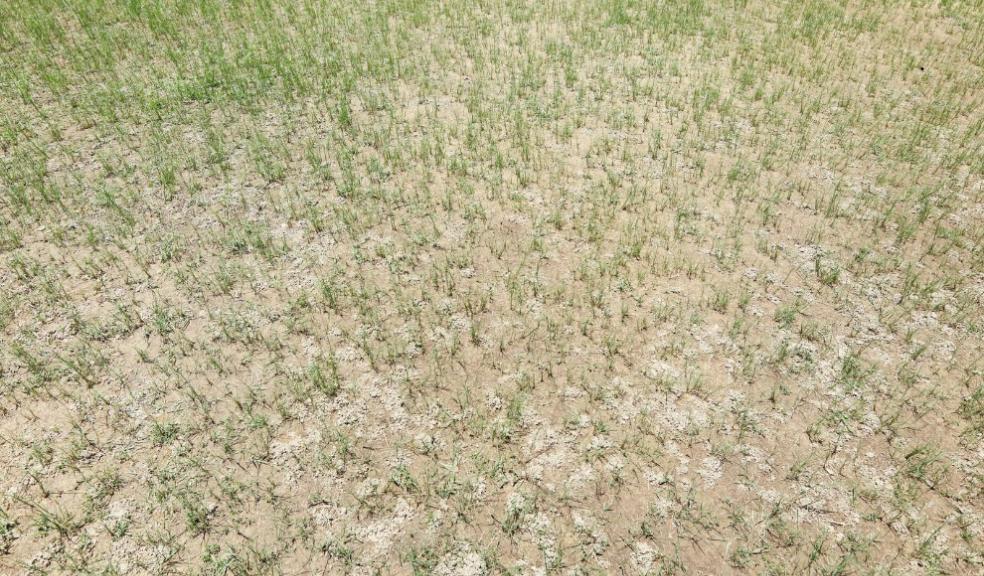
"A completely scorched lawn instantly changes the feel of a property," says Kristian. "You don't need perfect green grass all summer, but patchy brown areas and dry edges can quickly make a garden feel neglected. Raise your mower blade during hot spells to keep grass longer. It retains moisture better and stays greener for longer.
2. Ignoring faded front doors and paintwork
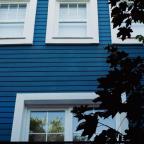
"Strong sun can dull paint surprisingly quickly, especially on south-facing entrances," Kristian explains. "Front doors, fences and window frames tend to age fastest in heatwaves because they're constantly exposed. A UV-resistant exterior paint or varnish applied before summer hits will hold its colour far longer and save a full repaint down the line."
3. Overcrowding gardens with thirsty plants
"People often panic-buy bedding plants during warm weather, but in extreme heat, they can quickly wilt and make spaces feel messy rather than maintained," adds Kristian. "A few structured pots or drought-tolerant plants work better .Swap high-maintenance bedding plants for lavender, ornamental grasses or succulents, as they thrive in heat and keep their shape all summer.
4. Leaving dusty patios and pathways untouched
"Dry weather creates a build-up of dust and faded surfaces that people stop noticing day-to-day," explains Kristian. "Visually, this can make patios, driveways and entrances feel weather-worn very quickly. A quick sweep and occasional rinse with a hose or pressure washer takes minutes but makes a big difference and keeps your entrances tidy.
5. Neglecting decking and timber before the heat sets in
Timber decking takes a real battering in sustained heat. If it hasn't been oiled or sealed going into summer and dries out too quickly, you'll get cracking, greying and splinters. Apply a UV-protective decking oil or sealant in spring before temperatures rise as it can add years to the life of the wood.
6. Overlooking window and door seals
Heat causes materials to expand and contract, and one of the first places that shows is around your windows and doors. Once the seals around your frames start cracking, the whole window starts to look neglected. Check seals and fillers at the start of summer and replace anything that's already showing signs of wear.
7. Forgetting to clean exterior brickwork
Dust, pollen and grime build up much faster during hot weather, especially on exterior walls and brickwork. In a heatwave, that layer of dirt quickly bakes onto surfaces, which can make your home look dull and grubby almost overnight. A gentle wash down with a hose or soft brush keeps brickwork looking fresh without any specialist equipment.
"Hotter summers mean we need to start thinking about heat the way we've always thought about cold," concludes Kristian. "From aircon to UV-resistant exterior materials and finishes, our homes need to be ready for both extremes including freezing winters and summers that are increasingly hitting thirty degrees and beyond."