



The Tradesperson’s Guide to Sustainable Home Upgrades
Homeowners have never paid closer attention to how their properties use energy, manage resources and stand up to rising household costs. As a tradesperson, your clients increasingly want practical improvements that lower bills. Whether you work in construction, electrical installation, plumbing or property renovation, sustainable upgrades offer an opportunity to add value for your customers while strengthening your own expertise.
Understanding Sustainable Upgrades in the Modern Home
For most homeowners, the motivation to make sustainable home improvements often begins with practical concerns rather than environmental ideals alone.
You can help clients understand sustainability by connecting upgrades to everyday experiences. For example, a homeowner who complains about cold rooms and rising heating costs may benefit more from improved insulation than from replacing a functioning boiler. Better insulation helps retain heat during winter, which can reduce energy consumption while improving comfort throughout the home.
Focus conversations on long-term value. When clients see how an investment can reduce ongoing costs or improve the lifespan of their property, they often feel more confident about committing to the project.
Choosing Materials and Techniques for Eco-Friendly Renovations
Many homeowners assume sustainable options come with a substantial premium, but when you weigh out the cost and value, it is worth it. Timber, sourced from responsibly managed forests, provides one example. It can offer strength and style. All the while, it supports more sustainable building practices. Recycled materials are similar. They can often reduce waste and add character to a project.
Encourage clients to look beyond initial purchase costs and consider whole-life performance when comparing options.
Remember, installation techniques matter just as much as product selection. Poor workmanship can undermine even the most sustainable materials.
Integrating Technology and Smart Solutions
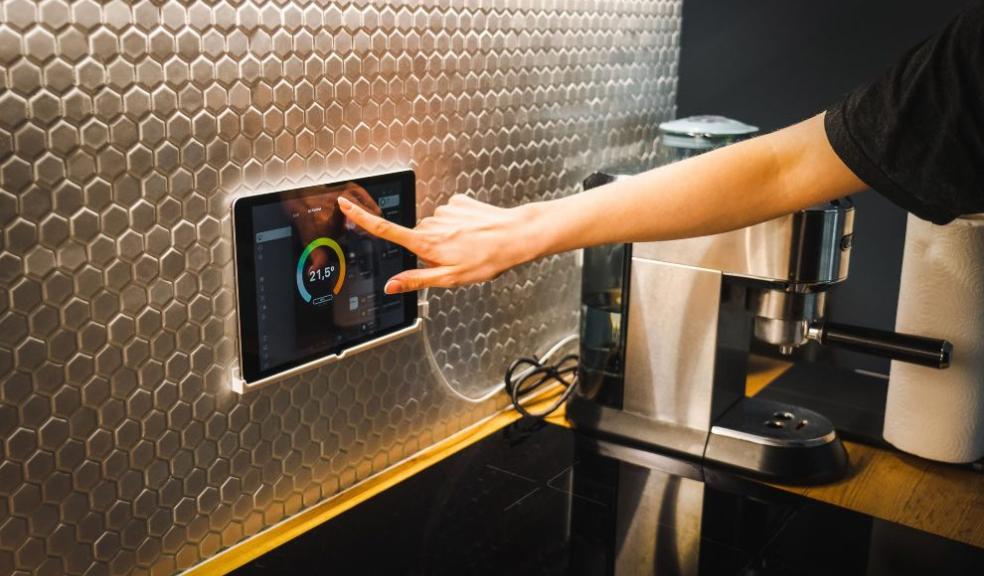
Technology gives homeowners greater control over energy use. Smart thermostats, zoned heating systems, and energy monitoring devices allow households to identify inefficiencies and adjust their habits based on real data.
For example, a smart heating system lets you tailor schedules to your routine, helping you avoid unnecessary energy use without sacrificing comfort.
Many homeowners also explore renewable energy solutions such as solar panels, heat pumps and battery storage systems. These technologies can reduce reliance on traditional energy sources and provide greater protection against future energy price fluctuations. When combined with energy-efficiency measures such as improved insulation and draught-proofing, they often produce stronger results than either approach alone.
Overcoming Challenges and Encouraging Sustainable Choices
Cost remains one of the most common barriers to sustainable home improvements. Homeowners may hesitate when they see a higher upfront price, even if the long-term savings make financial sense.
You can address this concern by presenting realistic examples. A customer considering LED lighting throughout a property may initially focus on installation costs. However, showing the potential reduction in electricity consumption and the longer lifespan of LED bulbs provides a clearer picture of overall value.
Technical jargon can also create unnecessary confusion. Clear explanations, straightforward comparisons, and honest advice help build trust and support informed decisions.
Empowering Tradespeople for a Greener Future
The demand for sustainable home improvements is likely to continue growing. Tradespeople who expand their knowledge in this area place themselves in a strong position to meet changing customer expectations.
Most importantly, keep learning about sustainable building innovations and share that knowledge with your clients. By guiding homeowners towards well-planned improvements, you can contribute to greener homes while building a trusted and future-focused business.