




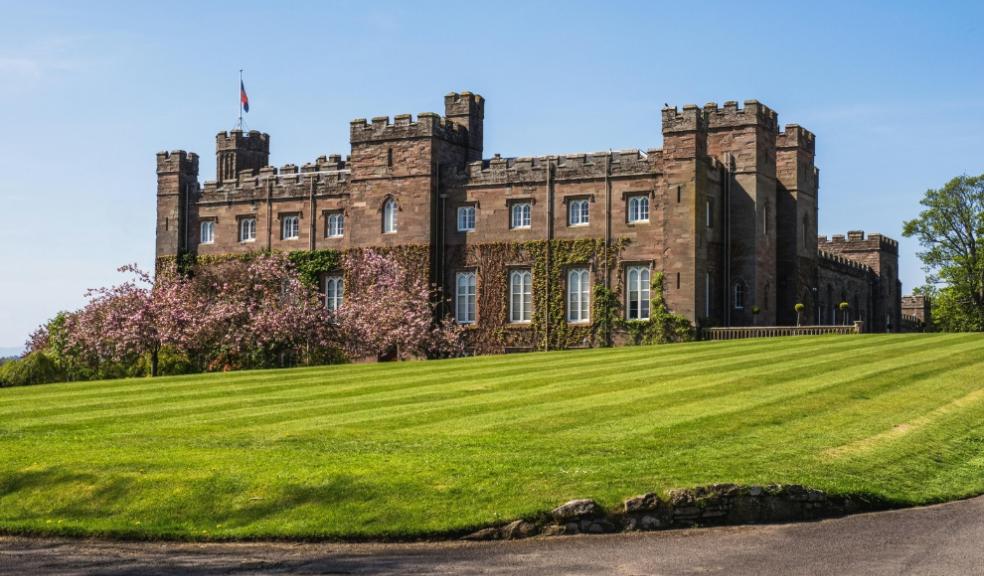
The Hidden Value Challenge in Scottish Properties with Large Gardens
Large gardens once commanded premium prices across Scotland's property market. Space meant status. But the reality for sellers today tells a different story.
Properties with substantial outdoor space are sitting on the market longer. Buyers walk through, admire the potential, then move on. The issue is not the garden itself. It is what the garden represents.
Maintenance burden. Unclear purpose. Wasted potential. These concerns translate directly into valuation challenges that affect sale prices and time on market.
The Maintenance Factor Affecting Buyer Decisions
Estate agents across Glasgow, Edinburgh, and Stirling report a consistent pattern. Buyers express initial excitement about large gardens, then reality sets in during second viewings.
They calculate weekend hours spent mowing. They picture the cost of hiring gardeners. They imagine winter months watching an unused expanse from the window.
According to Zoopla's latest market analysis, properties requiring extensive outdoor maintenance receive 23% fewer viewing requests than comparable homes with manageable garden sizes. This gap widens further in urban areas where buyers prioritise convenience.
The perception of burden directly impacts offers. When buyers factor ongoing costs into their decision, they adjust their maximum price accordingly. A garden that looks impressive but impractical can reduce a property's achievable sale price by 5-8% compared to homes with well-designed outdoor spaces.
When Space Becomes a Liability Rather Than an Asset
Not all large gardens add value. Some actively detract from it.
An undefined lawn stretching 30 metres from the house offers no clear benefit over a 15 metre version. Both serve the same function, but one requires double the maintenance. Buyers recognise this immediately.
Properties with large gardens that lack structure, zones, or apparent purpose struggle to justify their asking prices. The space exists, but it does not enhance the lifestyle the property offers. This becomes particularly problematic when comparing homes with smaller but beautifully designed gardens.
The Scottish property market has seen a shift in what buyers value. Ten years ago, sheer size dominated garden preferences. Today, usability matters more. A 200 square metre garden with defined entertaining areas, quality materials, and manageable planting often attracts stronger offers than a 400 square metre plot of unstructured lawn.
Design Solutions That Restore Property Value
The solution is not reducing garden size. It is introducing purposeful design that transforms perceived burden into genuine asset.
Professional landscaping converts undefined space into structured zones that buyers can immediately understand and envision using. When specialists like MacColl & Stokes Landscaping apply large garden design ideas specifically for Scottish conditions, they address both aesthetic and practical concerns that influence property valuations.
This approach creates distinct outdoor rooms. A patio for dining. A lawn area sized appropriately for actual use. Planting that provides year-round structure without constant intervention. Paths that guide movement and create interest.
The transformation is not cosmetic. It is functional. Buyers see a garden they can use rather than maintain. This perception shift directly affects offers.
The Scottish Context Changes Requirements
Scotland's climate and property characteristics create specific challenges for large gardens.
Higher rainfall means drainage becomes critical. Properties with standing water after rain or boggy sections raise immediate red flags for buyers. Poor drainage suggests structural problems and future costs.
Wind exposure affects how gardens can be used. Open plots in elevated positions or coastal areas need shelter to be functional. Without screening or strategic planting, outdoor space remains theoretical rather than practical.
Shorter growing seasons and variable weather mean gardens must offer interest beyond summer months. Designs relying solely on seasonal colour look barren for seven months of the year. This particularly impacts properties marketed during autumn and winter when gardens should still present well.
Scottish properties also tend to have different garden proportions than English equivalents. Narrower but longer plots are common in cities. Sloping terrain features regularly. These characteristics require design approaches that differ from standard solutions.
Case Study: Glasgow Suburb Property Values
A 2024 analysis by the Royal Institution of Chartered Surveyors examined property values in Glasgow suburbs comparing homes with large gardens.
Properties with professionally landscaped gardens sold for an average of £42,000 more than similar homes with basic lawn and borders. More significantly, they sold 31 days faster. The premium applied regardless of internal condition, suggesting buyers weighted outdoor quality heavily in decisions.
The study identified specific features that influenced valuations most strongly. Quality hard landscaping added more value than any other element. Defined seating areas, proper patios, and professional paving consistently commanded premiums.
Well-executed planting schemes mattered less for immediate sale price but affected time on market. Gardens with structure and year-round interest attracted buyers during all seasons. Those relying on summer bedding struggled when marketed outside peak months.
These findings suggest that investment in garden design returns measurably in both sale price and transaction speed. The caveat is that design must suit the property and location. Generic solutions deliver poor returns.
What Buyers Actually Want From Large Gardens
Estate agent feedback reveals consistent patterns in buyer preferences for larger outdoor spaces.
Privacy tops the list. Buyers will accept smaller gardens if properly screened over larger plots visible to neighbours. Established hedging, mature trees, or well-positioned fencing make immediate differences to perceived value.
Low maintenance features strongly. Buyers want outdoor space they can enjoy without dedicating every weekend to upkeep. Artificial grass, composite decking, and gravel areas appeal more than traditionally attractive options requiring regular care.
Entertaining capability matters significantly for properties in the £400,000-plus bracket. Buyers in this segment expect outdoor kitchens, fire pits, or covered dining areas. Without these features, large gardens offer no advantage over modest ones for this demographic.
Families prioritise usable lawn areas but smaller than assumed. A 50 square metre lawn satisfies most family needs. Anything larger suggests unused space unless additional zoning provides clear alternative uses.
The Investment Calculation for Sellers
Property owners facing sale decisions must weigh garden improvement costs against potential returns.
Basic landscaping addressing drainage, access, and basic structure typically costs £8,000-15,000 for a 200 square metre garden. This work usually returns 150-200% of investment through faster sales and stronger offers.
Comprehensive redesigns including quality hard landscaping, zoning, and complete planting schemes range from £25,000-60,000 depending on size and specification. Returns vary significantly based on property value and local market conditions.
For properties valued below £300,000, extensive garden investment rarely makes financial sense unless required to make the property saleable at all. Focus should remain on addressing obvious problems rather than creating showcase gardens.
Properties above £500,000 in desirable locations see strong returns from quality garden design. Buyers at this level expect outdoor spaces matching internal standards. Poor gardens create value mismatch that extends time on market and reduces achievable prices.
Timing Considerations for Market Entry
Garden improvements affect when properties should enter the market.
Spring listings benefit most from garden investment. Buyers view in peak condition and imagine summer use. Properties with quality outdoor spaces can command 3-5% premiums during March-May compared to winter listings.
Autumn presents challenges for large gardens. Deciduous planting looks bare. Lawns often show wear. Shorter days limit viewing time outdoors. Properties marketed October-February need evergreen structure and quality lighting to maintain appeal.
Winter listings with poorly presented gardens should consider delaying until spring or investing in immediate improvements. The alternative is accepting reduced offers reflecting buyer concerns about garden condition and potential costs.
Regional Variations Within Scotland
Central Scotland's property market shows different garden preferences than northern regions or islands.
Glasgow and Edinburgh buyers prioritise manageable size and contemporary design. Rural areas see stronger demand for larger productive gardens with vegetable plots or orchards. Coastal regions value wind protection and salt-tolerant planting highly.
These regional differences affect improvement priorities. Understanding local buyer expectations prevents wasted investment in features that add no value to specific markets.
Professional Assessment Before Investment
Property owners considering garden improvements before sale should seek dual input from estate agents and landscape professionals.
Agents understand what local buyers value and which improvements deliver returns. They can price the impact of potential changes on achievable sale figures.
Landscape specialists assess feasibility and costs. They identify problems that might affect surveys or valuations. They can propose solutions scaled to budget and likely return.
This combined assessment prevents over-investment in areas buyers discount and under-investment in critical issues affecting saleability.
Making Large Gardens Work for Property Value
Large gardens represent opportunity rather than liability when properly addressed. The key is converting undefined space into purposeful outdoor living areas that buyers immediately understand and value.
This requires honest assessment of current condition, realistic understanding of local buyer preferences, and strategic investment in improvements that deliver measurable returns. Properties with well-designed large gardens consistently outperform those with basic outdoor spaces in both sale price and transaction speed.
The Scottish property market increasingly rewards thoughtful garden design that respects climate, matches property character, and creates genuinely usable outdoor space. Sellers who recognise this dynamic and act accordingly position their properties for stronger market performance and better financial outcomes.