



Embracing Open-Plan and Lateral Living in Your Home Renovation
Renovating a home offers a world of possibilities – from refreshing tired interiors to rethinking the very layout of your space. More homeowners are moving away from compartmentalised rooms and embracing open-plan and lateral living. By doing so, properties feel brighter, more connected, and more suited to modern lifestyles. Whether you’re knocking down walls to create a flowing kitchen-dining area or considering lateral extensions to expand ground-floor living, there’s plenty to think about before picking up the sledgehammer.
One of the first steps is updating your interiors, and colour plays a big role in creating a sense of space. When buying interior paints, if you’re happy buying online you can find more colour options and problem-solving products to tackle damp, mould, and age-old stains. Choosing the right shades can unify open-plan areas, making the transition between rooms feel effortless. Neutral tones, soft greys, and gentle beiges can make spaces feel light and airy, while accent walls or statement colours can help define zones without the need for doors or partitions.
Understanding Open-Plan Living
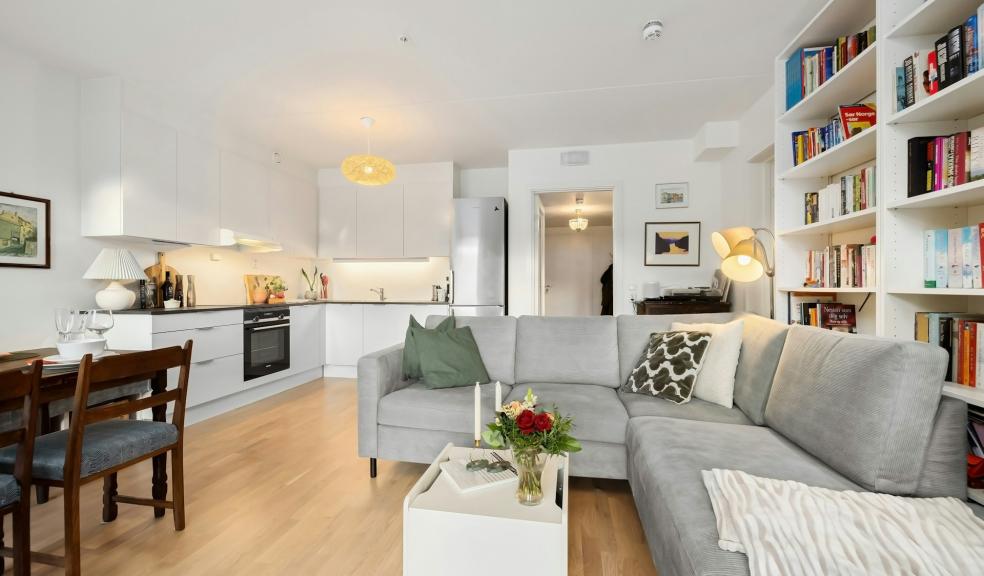
Open-plan living is all about creating spaces that encourage interaction, light, and flexibility. Kitchens flow into dining areas, living rooms blend seamlessly into family spaces, and multifunctional rooms allow for a variety of uses. This layout is ideal for families, those who entertain frequently, or anyone who enjoys a sense of freedom in their home.
Advantages of open-plan spaces include:
- Enhanced natural light: Fewer walls mean sunlight travels further into the home. Large windows and skylights become even more effective.
- Improved flow and accessibility: Moving between areas feels natural, and furniture placement can guide movement without walls.
- Greater sense of space: Particularly in smaller homes, removing barriers can make rooms feel larger and more inviting.
However, open-plan layouts are not without challenges. Noise can travel more easily, and a lack of defined zones may make it harder to create intimate or private areas. Thoughtful furniture placement, rugs, and screens can help manage this, while clever lighting design can create atmosphere in different zones.
Colour, finishes, and materials are also crucial. For example, a consistent flooring choice across the space will visually connect areas, while varying textures – such as wood, tile, or soft textiles – can subtly define zones. Paint colour is another tool: keeping wall tones harmonious across rooms encourages cohesion, while accent shades highlight key features or separate functional areas.
Lateral Living: Expanding Horizontally
While open-plan living often focuses on removing internal walls, lateral extensions and renovations expand living space horizontally rather than vertically. This approach is particularly effective in single-storey homes, bungalows, or properties with spacious gardens.
Lateral living allows you to:
- Increase floor space without altering the roofline: This keeps the exterior proportions of your home balanced while giving you more room to play with internally.
- Create seamless connections to the garden: Large sliding doors or bi-folds can connect kitchen-dining areas to outdoor terraces, creating indoor-outdoor living that is perfect for summer gatherings.
- Accommodate multi-generational living: Ground-floor lateral extensions are ideal for annexes, guest rooms, or home offices without interfering with the rest of the household.
When planning lateral expansions, consider planning permissions, structural implications, and aesthetic cohesion. Maintaining consistent rooflines, matching materials, and complementary colour schemes will ensure your extension feels like a natural part of the home rather than an afterthought. Internally, adopting a consistent colour palette and high-quality finishes across the main property and the extension will enhance the sense of openness and flow.
Practical Tips for Renovation Success
Bringing open-plan and lateral living concepts together successfully requires a combination of careful planning, design intuition, and practical decisions. Here are some key tips:
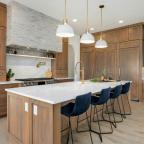
Plan Your Zones: Even in open spaces, define functional areas with furniture, rugs, or lighting. A sofa or island can separate lounge and kitchen zones, while pendant lights can visually mark dining areas.
Choose Cohesive Finishes: Flooring, wall colours, and fixtures should complement one another to maintain harmony. Subtle contrasts can define zones without creating barriers.
Prioritise Storage: Open spaces can feel cluttered if storage is inadequate. Incorporate clever built-ins, floating shelves, and concealed cupboards to keep essentials tidy and maintain the clean, open feel.
Lighting Matters: Layered lighting creates atmosphere and flexibility. Pendant lights over a dining table, under-cabinet lighting in the kitchen, and dimmable recessed lights all contribute to a functional yet comfortable environment.
Think About Flexibility: Open-plan and lateral spaces should adapt to changing needs. Furniture that can move or serve multiple purposes, movable partitions, and flexible layouts will help your home evolve with your lifestyle.
Consider Professional Advice: Architects, interior designers, and structural engineers can help ensure your renovation is safe, practical, and aesthetically pleasing. They can also advise on how best to integrate lateral extensions with existing open-plan spaces.
Open-plan and lateral living aren’t just design trends; they reflect the way we live today. Homes that feel connected, flexible, and light-filled enhance both daily life and entertaining. By combining thoughtful layout choices, cohesive finishes, and practical planning, you can create spaces that feel larger, more functional, and more inviting.