




Winter warmth, summer cool: five ways to prepare your home
After a scorching summer, a new report shows that 35% of Brits feel as though their home is unsuitable for the climate we now live in. With the priority now shifting to staying warm and comfortable this winter ahead of looming energy bill increases, MyBuilder.com, the reliable way to hire tradespeople, is advising homeowners to consider upgrades that both warm in winter - and stay cool in summer.
The Heat Trap Homes report from MyBuilder.com found that 27% of Brits said they cannot escape the heat inside their homes, as well as 20% stating their bedrooms were unusable over summer. With attention now shifting to keeping homes warm, some improvements could leave homeowners struggling even more with excessive heat when summer returns. From insulation that isn't paired with adequate ventilation, to windows that allow too much solar heat into a room, getting the details wrong can affect how comfortable a home feels in warmer weather.
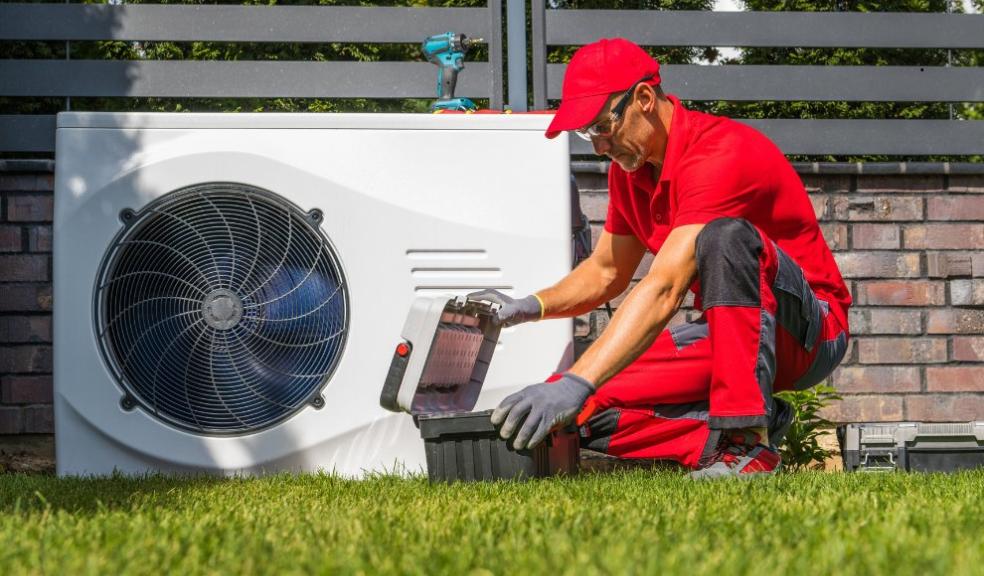
But there are several upgrades that can improve comfort and efficiency inside your home all year round, and one little-understood solution is heat pumps. According to MyBuilder.com’s survey, 49% of respondents didn’t know that some heat pumps can both cool and heat their homes. During warm weather, reversible heat-pump units push excess heat outside and recirculate cool air inside, providing air conditioning - something 39% of Brits now see as a necessity rather than a luxury.
Andy Simms, a home and construction expert from MyBuilder.com, said that it’s worthwhile looking into dual purpose upgrades.
“Britain has some of the oldest housing stock in Europe, so many of our homes were built long before anyone thought about energy efficiency. Nine-inch solid brick walls, a couple of inches of loft insulation if you’re lucky, and draughty windows. They’ve always been cold in winter, that’s nothing new. What’s new is the summer. Those same solid walls soak up heat all day in July and give it back overnight, the loft turns into an oven, and a south-facing window with nothing shading it is basically a greenhouse. These houses were never built for the heat we’re getting now, and this summer proved it. Nearly half the people we asked lost sleep because of the heat, and one in five said their bedroom was unusable.
“The worry now is that people fix the winter problem and make the summer one worse. Insulation, draught-proofing, better glazing, they all keep heat in. Brilliant in January, a nightmare in July, unless you sort out shading, ventilation and lighter surfaces at the same time. A third of people already say their home isn’t right for the climate we’ve got, and sealing it up tighter without thinking about summer just makes that worse. So if you’re doing work this winter, ask one thing of every job: will this still work for me in a heatwave? Heat pumps are a good example. Half the people we surveyed didn’t know some of them can cool as well as heat, so you’re fixing both problems with one job.”
MyBuilder.com’s five ways to keep your home warm during winter and cool during summer:
Thermal/blackout curtains
Install thermal or blackout curtains. In the winter, open blinds during the day to let heat in; close heavy or thermal curtains at sunset to insulate against cold glass. In summer, close them during peak daytime hours to block heat before it warms your home.
Heat pumps
If you're thinking about upgrading your heating system or installing air conditioning, a reversible heat pump could be worth considering. In winter, it draws heat from the outside air to warm your home, typically delivering around three to four units of heat for every unit of electricity used.during hot weather, a reversible heat pump can keep indoor spaces cool by removing heat and humidity.
Insulation
Insulation is often associated with keeping your home warm, but it can also help keep it cool in summer. Loft insulation is one of the most effective ways to improve your home's energy efficiency. If your loft is accessible, check the depth of the existing insulation. The recommended depth for mineral wool loft insulation in the UK is around 270 mm (27 cm). If your insulation is thinner than this, unevenly laid or missing in places, you may benefit from topping it up. If you are unsure, seek advice from a qualified insulation installer.
Seal gaps and draught-proof areas
Gaps and leaks are a way both cold and hot air get into your home, so it's worth draught-proofing around door frames and window sashes, and caulking gaps around skirting boards and exterior wall outlets.
External shading and windows
Windows can allow significant amounts of solar heat into your home during summer, particularly when they receive direct sunlight. Installing external shading, such as awnings, shutters or external blinds, can help block sunlight before it reaches the glass, reducing unwanted heat gain and keeping indoor spaces more comfortable. And if you're planning to replace your windows, consider solar-control glazing, which is designed to reduce the amount of solar heat entering your home.