




Which Home Upgrades Deliver the Biggest EPC C Improvements per Pound?
Homeowners aiming for EPC band C get the best return by ranking upgrades on the points gained for every pound spent. Cheap fabric measures usually come first, while glazing and heating systems earn their place when a home still falls short or the work is due anyway. The sections below follow rough order of cost, lowest first, with a note on where each one makes sense.
Loft Insulation Gives the Strongest Return
Insulating a bare loft to the recommended 270mm is usually the best value on the list, and when it's fitted professionally from nothing it can pay back within a couple of years through lower heating bills. Topping up an existing layer is a different case, because a loft that already holds 120mm saves far less. Check the depth you have before booking anyone, since a current certificate usually records it.
Draught-Proofing and Glazing in Period Homes
Sealing gaps around doors, letterboxes, floorboards, chimneys and loft hatches costs little, and in an older house it often brings the quickest improvement in comfort. Keep receipts and photographs of everything fitted, because an assessor can only credit work they can see or verify.
Glazing works best when timed with a planned window replacement, since it earns fewer points per pound than loft insulation. Where the house has a period front, Georgian style windows with sealed double glazing keep the glazing bars and proportions of the original while cutting heat loss. Check conservation area or listed building rules before ordering so the design is approved from the very start.
Heating Controls Before Heating Systems
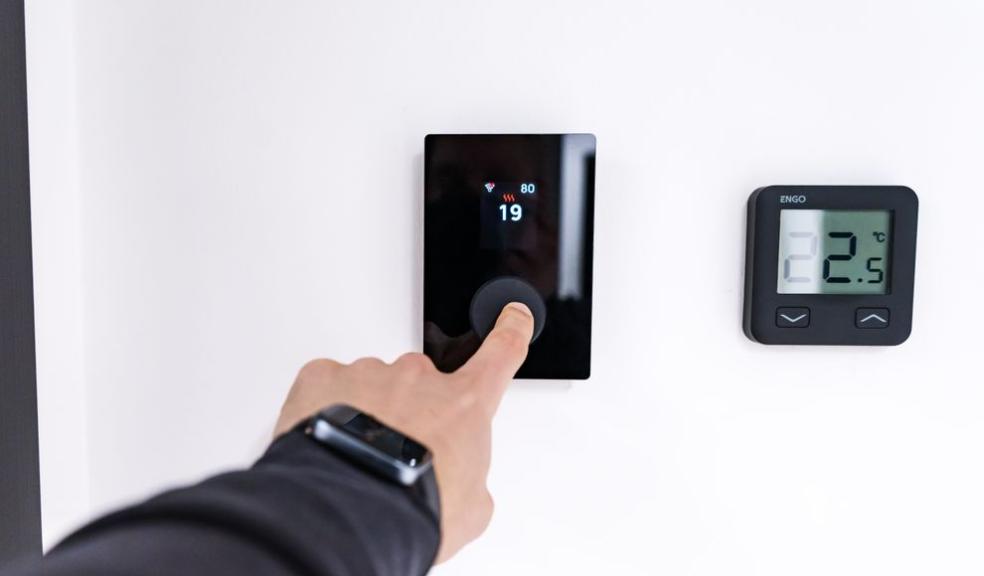
A room thermostat, programmer and thermostatic radiator valves cost little compared with a new boiler, and they let the existing system heat only the rooms and hours that need it. None of them earns a large number of points alone, but the points gained per pound still compare well with bigger jobs, so they're worth ticking off before any replacement heating is considered. Smart features cost extra, so compare what the certificate actually credits before paying for them.
Heat Pumps Suit Specific Homes
An air source heat pump typically costs around £11,000 to install before any grant, and for homes with an efficient boiler it won't save much on running costs either. It earns its place when an old boiler or electric storage heaters are due for replacement and the fabric has already been improved. Fitting one first, in a poorly insulated home, tends to give weaker results, so ask for a room-by-room heat loss calculation with the quote. Grants may reduce the upfront bill, so check eligibility before signing anything.
Using the Certificate's Own Recommendations
Your existing certificate lists recommended improvements with indicative costs, so read it before gathering quotes. Work through the cheaper items first, then book a fresh assessment to see where the score has landed. If it still sits below band C, the remaining gap will show which larger upgrade is worth the money.
Keep the new certificate with the receipts, since both are useful when selling or letting, and spend in this order so the cost per point stays low and the budget isn't spent on an upgrade the score doesn't need.