




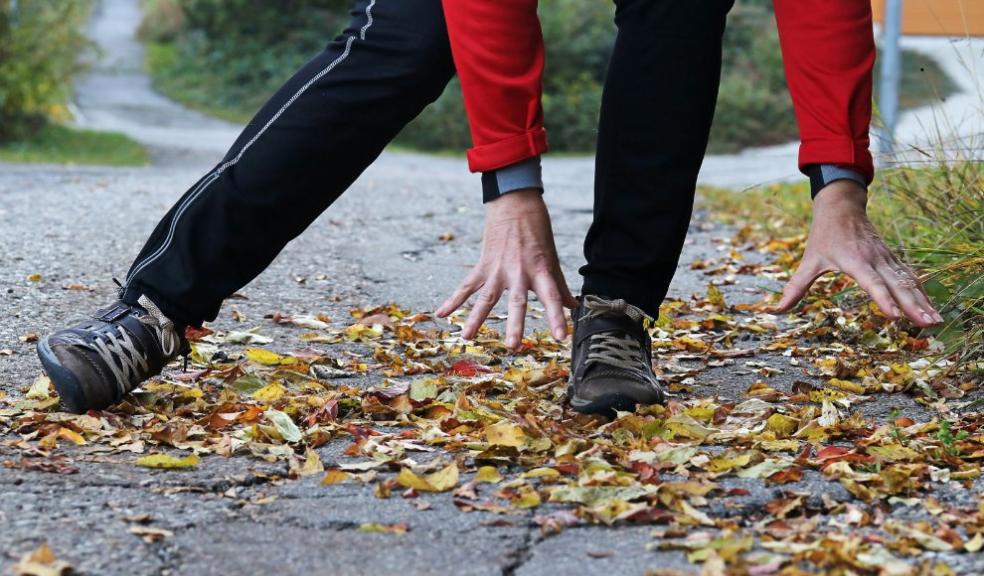
Landlords warned over autumn slip hazards as waste fines rise to £5,000
Landlords and letting agents are being urged to keep communal paths, entrances and outdoor areas clear of fallen leaves this autumn, as wet weather increases the risk of slips and new waste enforcement rules bring higher potential penalties for improper disposal.
Waste and compliance specialist Direct365 is warning property owners and managers not to overlook seasonal maintenance, particularly in shared outdoor spaces where fallen leaves can create hazards for tenants, visitors and other members of the public.
The warning comes after new waste enforcement rules came into effect in England on 1 September 2026. Under the changes, the maximum fixed penalty for fly-tipping has increased by 400% to £5,000, while the maximum fixed penalty for littering has risen from £500 to £750 [1,2].
Fallen leaves swept from private property onto public roads, pavements or neighbouring land can be treated as fly-tipping or littering, depending on the circumstances. Local authorities determine the penalty imposed within the applicable limits, meaning landlords and property managers should ensure that collected garden waste is disposed of appropriately.
Wet leaves can also become slippery underfoot, particularly on communal paths, steps, driveways and entrances. For landlords and managing agents responsible for maintaining these areas, regular inspections and timely clearance can help reduce the risk of accidents and potential liability claims.
Responsibility for maintaining outdoor spaces will depend on who controls and is responsible for the area in question. However, where landlords or managing agents are responsible for communal areas, having a suitable maintenance routine in place can help prevent avoidable hazards from developing.
While exact fines are set by local authorities, improper clearance can lead to large fines.
Wet leaves can create a potential slip hazard, particularly on paths, steps and driveways. Regularly clearing areas that are frequently used can help reduce the risk of slips and falls for both property owners and visitors.
Karl Bantleman at Direct365 commented: "It can be easy to let fallen leaves build up around a property, but landlords and property managers should pay particular attention to shared paths, entrances and steps where tenants and visitors regularly walk. Taking a few minutes to regularly clear these areas can help keep entrances and walkways safer throughout the autumn months.
"With waste enforcement fines increased from the start of September, it is vital that property owners dispose of garden waste correctly. Leaves shouldn't simply be swept onto public roads, pavements or neighbouring land. Taking the time to dispose of them properly can help avoid creating problems for other people and potentially facing enforcement action."
Top tips for landlords and letting agents managing autumn leaf build-up
While fallen leaves are unavoidable, there are several straightforward steps landlords, letting agents and property managers can take to help maintain safer properties and dispose of garden waste correctly.
1. Keep communal paths and entrances clear
Regularly inspect and sweep shared driveways, steps, entrances and garden paths, particularly in areas used frequently by tenants and visitors. Wet, decomposing leaves can create slippery surfaces, so prompt clearance can help reduce the risk of slips and falls. Keep a record of relevant inspections and maintenance where appropriate.
2. Clear gutters, grates and private drains
Remove accumulated leaves from gutters, downpipes and drainage grates to help prevent blockages, water build-up, damp issues and localised flooding. Pay particular attention to shared outdoor areas and drainage systems serving multiple properties, arranging professional assistance where necessary.
3. Collect and contain leaves promptly
Avoid leaving gathered leaves in exposed piles around communal gardens, driveways or entrances. Strong winds can scatter them back across cleared paths and into neighbouring land or streets. Collect leaves in suitable containers or bags, or transfer them directly to an appropriate garden waste or composting facility.
4. Dispose of garden waste legally
Do not sweep or dump leaves from a property onto public pavements, roads or neighbouring land. Use designated local council garden waste collections, compost leaves where appropriate, or arrange a collection through a licensed waste carrier. Check that the chosen disposal route is suitable for the waste being collected.
5. Establish a seasonal maintenance routine
Agree who is responsible for inspecting and maintaining communal outdoor spaces, whether that is the landlord, managing agent, grounds maintenance contractor or another appointed party. Increase checks when leaf fall is heavy or wet weather makes surfaces more hazardous, and arrange clearance promptly when needed.