




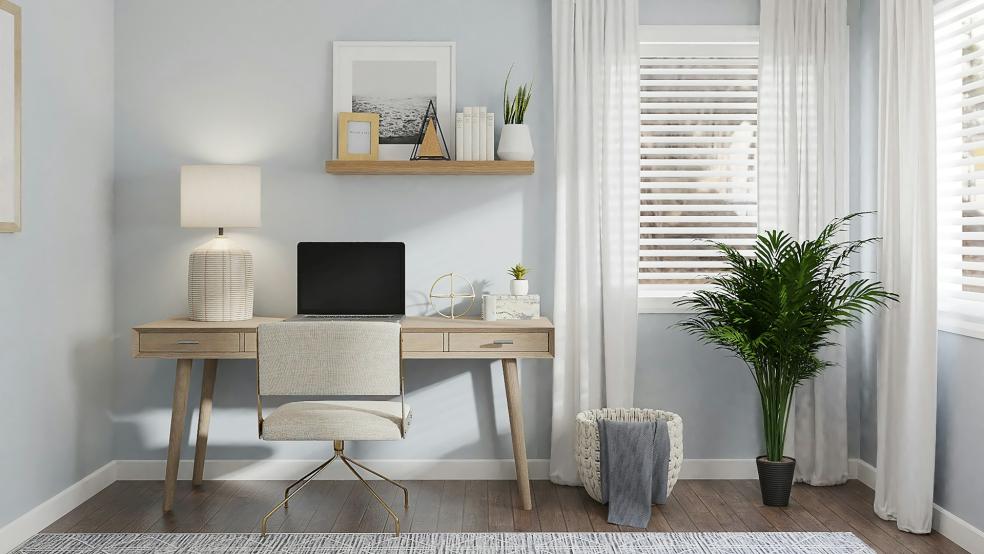
Setting Up a Productive Home Office: Desk Layout and Focus Essentials
Working from a spare room, a converted alcove, or a corner of the kitchen has become ordinary for a large share of UK households. Employers and employees alike have had years to work out what makes these spaces work, and the answers usually lie in small details, not grand renovations. A well-placed desk, the right light, and a few small habits can carry more weight than any single piece of furniture.
Before choosing a chair or a lamp, a person can gain more by thinking about how a room already gets used day to day. In most households, a home office shares walls with family life, storage, or hobbies, so the layout has to work with that reality. Getting the layout right from the start makes everything that follows easier to manage.
Choosing a Desk Layout That Supports Focus
Desk position affects concentration more than most people expect when they first set up a workspace. Facing a wall can reduce visual distraction, while a desk angled toward a window offers natural light without screen glare from the sky. Both choices work, and the better option usually depends on how easily you can see or hear other activity in the room from the desk.
Depth and width matter too, especially for anyone using two monitors or spreading out paperwork. A desk that is too shallow forces poor posture, and one that is too narrow leads to clutter creeping into your work time. Matching the desk to your tasks, rather than how it looks in a photograph, tends to produce a setup that lasts.
Seating, Screen Height, and Comfort Over a Full Day
Comfort during a working day depends on more than a soft chair. Screen height, seat depth, and the distance between eyes and monitor all affect how a body holds up over several hours. These are the same factors covered in workstation guidance published for home working setups, which sets out how a chair, screen, and keyboard should relate to one another to reduce strain.
An adjustable chair pays for itself quickly for anyone spending most of the day at a desk. Elbows should sit close to a right angle, and the top of a screen should align roughly with eye level, so the neck doesn't tilt up or down for long stretches. Small corrections like these prevent the kind of discomfort that quietly chips away at concentration.
Small Additions That Support Concentration
Beyond furniture, a handful of smaller tools and habits shape how easy it is to settle into focused work and stay there. None of these additions replaces a good desk layout, but they fill in the moments where attention tends to drift.
Noise-Reducing Accessories
A pair of over-ear headphones, with or without music, can block out household noise without needing a separate room. Even simple foam desk mats soften the clatter of keyboards and drawers in shared spaces. Small changes like these keep background sound from breaking concentration mid-task.
A Visible Task List
A notebook, whiteboard, or pinboard above the desk keeps tasks written down and in view throughout the day. This reduces the mental effort of remembering what comes next and frees attention for the work itself. A list glanced at once can replace several minutes of mental backtracking.
An Adjustable Desk Lamp
Task lighting aimed directly at a work surface reduces eye strain during darker months and supports longer stretches of reading or writing. A lamp you can angle or dim adapts to the time of day and the task at hand. This kind of control matters more than overall room brightness.
A Quick Way to Stay Alert
Energy dips during a long workday, and people reach for different ways to counter it, whether that is water, tea, coffee, or something else that fits their setup. A caffeine pouch has become one of these options for home workers who want a lift without stepping away to boil a kettle. Among the caffeine pouch UK ranges now available, leading pouch brands offer a selection of flavours. Alongside the other options, it offers another way to stay steady without leaving the desk.
Keeping the Space Working Over Time
A home office set up well in its first week rarely stays exactly as it started. Work tasks change, seasons alter how much daylight a room gets, and habits that felt useful at first can stop pulling their weight after a few months. Revisiting the layout every so often, rather than treating the initial setup as permanent, keeps the space matched to how it is actually used.
Small adjustments, made as needed, achieve more over a year than one large overhaul made once and left untouched.
A Desk That Fits the Work Rather Than the Other Way Round
The strongest home offices are built around how a person actually works, not around a fixed idea of what a workspace should look like. Desk position, seating, lighting, and a few well-chosen small habits each play a part, and none of them needs to be expensive or complicated to make a difference. Getting these details right once tends to save far more time than it costs to set up.