



What to consider when planning, designing and finishing an accessible bathroom
A bathroom should be more than just a room, it should be a safe, comfortable and functional space that works for everyone who uses it. Currently, only 13% of homes in England meet basic accessibility criteria, leaving nearly 13 million people living in homes that don’t fully meet their needs.
Bathrooms are one of the most common areas where people struggle, with slips, falls and difficulty using standard fixtures posing daily challenges. Which is why Matt Ward, Home Mobility & Accessibility Expert at Manage At Home has shared his top list of considerations for every stage, with safety and independence at the forefront.
1. Who will be using it?
Matt Ward said,
“This is the most important question, and it’s overlooked. Bathrooms are no longer one-size-fits all. Consider the needs of all users, particularly older adults and anyone with mobility challenges.
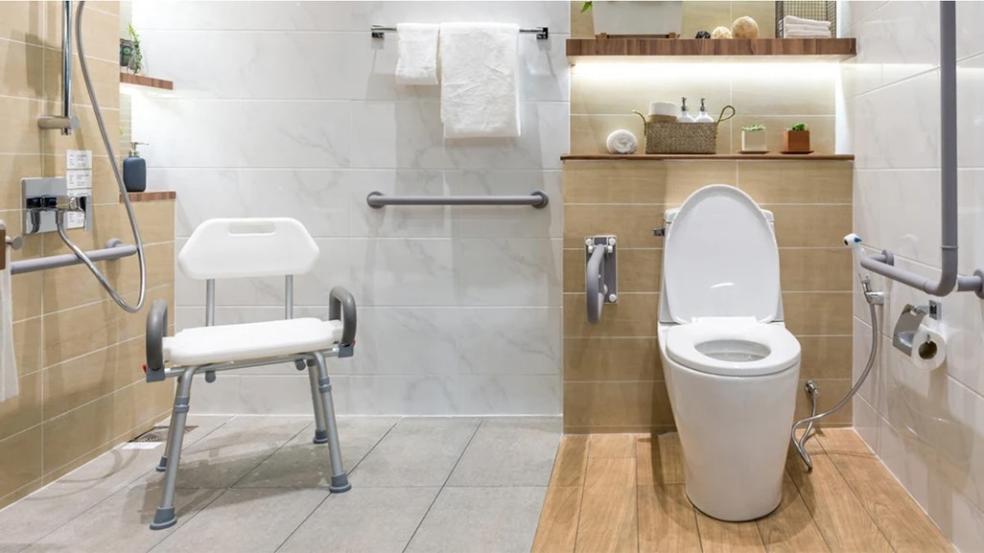
“For older adults, future-proofing is key - installing grab rails, a raised toilet, or a level-access shower now can prevent the need for costly adaptations later. For those with arthritis or limited hand strength, level-style taps are easier to operate than traditional cross-head taps. If someone in the household uses a wheelchair or walker, there needs to be enough space to manoeuvre - a minimum turning circle of 1500mm is recommended for wheelchair access.
2. Do you need a bath?
“The bath versus shower debate is a personal one, but for households with older adults or disabled users, a bath can become a barrier rather than a benefit. Stepping into a bath requires significant mobility and balance, and getting out again can be even more difficult.
“A level-access shower with a seat is often a safer and more practical choice. For those who require a bath, consider a walk-in bath with a low step-in height or a bath lift that lowers the user gently into the water.”
3. Budget
“Budget is always a factor, but it’s worth prioritising spending on areas that affect safety and long term accessibility.
“Structural changes like moving plumbing or installing a level-access shower are difficult and expensive to retrofit, so if they're needed, it's better to include them in the initial plan.
“Accessible features don't have to look clinical; there are now many stylish options for grab rails, shower seats and raised toilets that blend seamlessly with modern design.”
4. Storage
“Good storage is essential for keeping a bathroom safe and clutter-free. For older adults or those with mobility aids, storage should be within easy reach - frequently used items like toiletries and towels should be stored at waist height to avoid bending or stretching.
“Avoid open shelving at floor level, which can be a trip hazard, and consider recessed storage in the shower or above the sink.”
5. Tiled areas
“Slips and falls are one of the most common causes of injury in the home, particularly for older adults, so opt for floor tiles with a high slip-resistance rating (R10 or above). For walls, choose hardwearing, easy-to-clean tiles that won’t absorb moisture. Larger tiles with fewer grout lines are easier to keep clean.
6. Lighting
“Lighting plays a crucial role in bathroom safety, particularly for those with limited vision or mobility. Layered lighting such as ambient, task and accent, ensures the space is well-lit at all times.
“Motion-sensor night lights can illuminate the path to the bathroom during the night, reducing the risk of falls.”
7. Ventilation
“Proper ventilation prevents damp and mould, which can cause respiratory issues, particularly for those with asthma or weakened immune systems. It’s also worth remembering that adequate bathroom ventilation isn’t just good practice - it’s a requirement under Building Regulations.
“An extractor fan vented outside is one of the most effective options, alongside an openable window where possible.”
For further support creating accessible bathroom spaces, visit Manage at Home.