



Does your home look 'Cheap'? Why 1 in 3 Brits would 'swipe left' on your home before even opening the front door
New research reveals the small details making homes look cheaper than they are
UK homeowners may be unknowingly making their properties look cheaper and less valuable than they really are, according to new research.
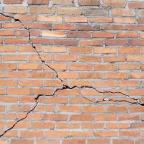
A nationwide survey commissioned by The Bespoke Sign House found that more than a quarter of buyers (27%) have instantly ruled out a property based on its exterior alone, while 39% say visible disrepair such as cracked walls, peeling paint or damaged guttering would immediately put them off.
Further findings show that 45% of buyers would lower their offer if they spotted poor exterior paintwork, while 38% are deterred by untidy gardens and 36% by neglected driveways.
When asked what exterior issues would put them off, buyers cited a hierarchy of "cheap house" signals:
- 39% said obvious signs of disrepair (broken gutters, cracked walls, missing roof tiles)
- 36% cited peeling or damaged exterior paintwork
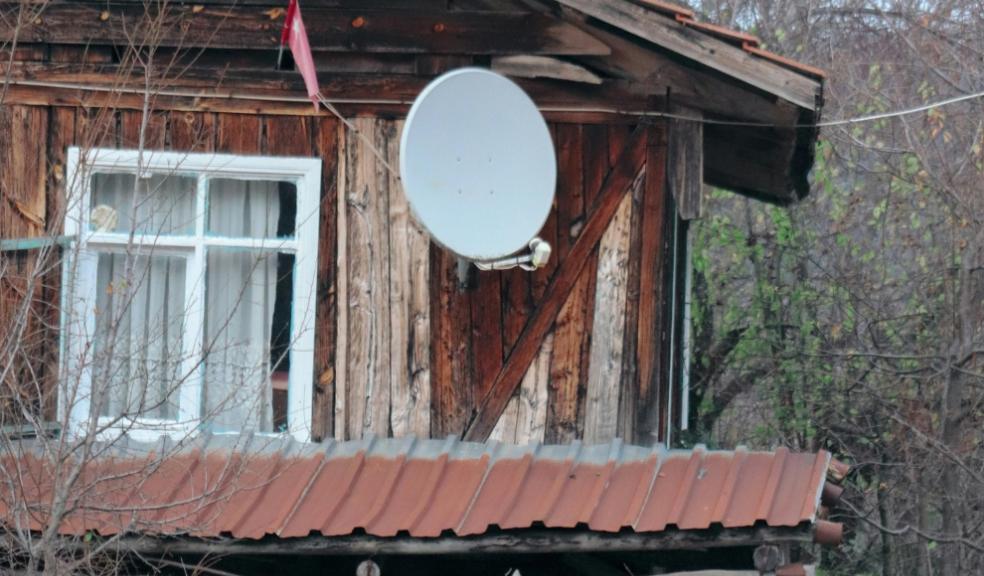
- 37% said neighbouring properties in poor condition
- 33% were deterred by neglected driveways or parking areas
Property experts say these visual cues create an immediate perception of neglect that can make even structurally sound homes feel "cheap" or poorly maintained.
"Buyers aren't property surveyors, so they rely on visual shortcuts to assess value," explains Kristian Goodenough, co-founder of The Bespoke Sign House. "Peeling paint or cracked rendering might cost £200 to fix, but in a buyer's mind, it signals years of deferred maintenance. That perception alone can wipe thousands off what they're willing to offer."
Chris Webb, founder of The Estate Agent Consultancy, says these first impressions are often formed before buyers even step inside the property.
"Most viewers arrive early and sit outside for a few minutes before going in. If all they can see is an untidy garden, worn paintwork or a tired frontage, that becomes the baseline expectation for everything else," he explains. "Even if the interior is immaculate, you're starting from a lower perceived value."
Julia Starzyk, quantity surveyor and founder of construction consultancy STAR Projects, adds that what buyers interpret as 'cheap' is often tied to uncertainty rather than the issue itself.
"Visible wear and tear immediately triggers questions around cost and effort," she says. "Buyers start mentally adding up what needs fixing, often overestimating the cost. That uncertainty is what drives lower offers".
Interior expert from The Bespoke Sign House Durga Gandhi highlights that the same perception carries through once buyers step inside, where cohesion matters more than cost.
"A home can have expensive finishes and still feel cheap if it looks disjointed," she explains. "Clutter, overly personalised décor or mismatched styles can make a space feel chaotic rather than considered. Buyers respond to homes that feel calm, clean and easy to move into."
"The irony is that most of these 'cheap' signals are inexpensive to fix," adds Goodenough. "A £40 tin of paint or a £300 garden tidy-up can completely change how a property is perceived. But if sellers don't address them, buyers assume the problems run deeper."
The findings suggest that in today's cautious market, first impressions aren't just important but often the deciding factor. For sellers, the message is clear: small visible problems create big perception issues that can seriously impact saleability and price.