




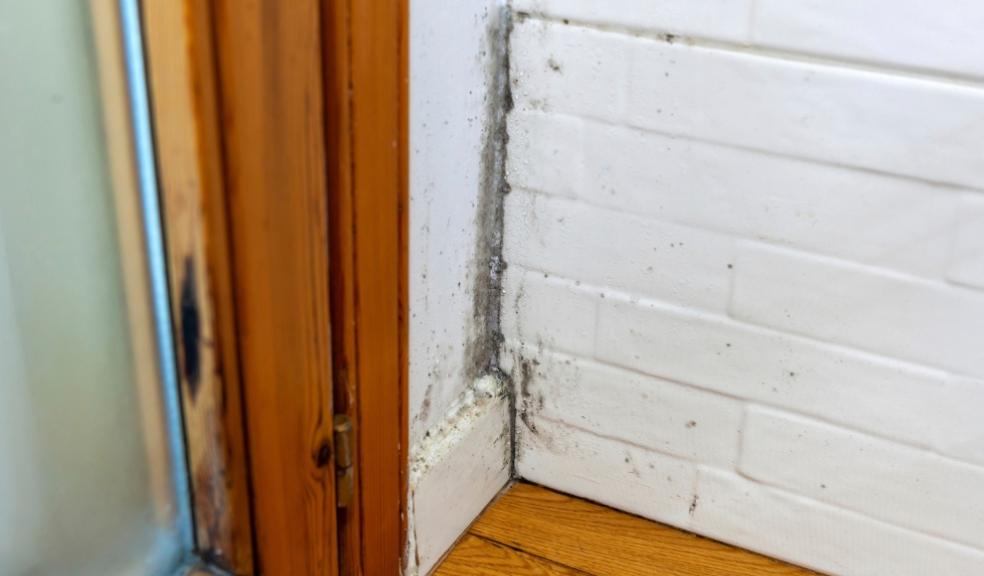
TWO-THIRDS OF HOUSEHOLDS STRUGGLE WITH DAMP AND MOULD AS HIGH ENERGY BILLS CAUSE A THIRD TO TURN DOWN HEATING
As winter comes to an end, more than 18 million homes (64% of households) are struggling with the repercussions of condensation, damp and mould[1] according to new research by energy comparison experts at Uswitch.
One in three households (36%) say the problem has been worse this year[2], and four-fifths of people (81%) have had to use at least one cleaning product or tool to tackle mould[8].
Concerningly, half of homes (49%) have damp or mould in bedrooms, with three-fifths (58%) seeing the problem in their bathrooms. Other problem areas include windowsills, an issue in 41% of households, ceilings (27%) and behind furniture (26%)[3].
Over a third (36%) of households said that mould has become more of a problem because the heating has been on less[10], and more than half (53%) believed mould issues would likely be reduced if their home was heated adequately[11].
Two-fifths of households (39%) have kept windows shut this winter due to energy costs, with one in seven (14%) holding out from opening them despite condensation[7]. A fifth of households (20%) say they haven't aired out their home in more than a month. Occasionally opening a few windows – even for short periods in winter – is a good way to remove damp air, and replace it with fresh air.
Dehumidifiers are a helpful tool for dealing with the problems caused by moist air. Two million households have bought a dehumidifier in the past year[4], with a quarter of owners (23%) saying they're running them more frequently this year[5].
Ben Gallizzi, energy comparison expert at Uswitch, comments: "Millions of households are suffering problems with damp, mould and condensation this winter, with the high cost of heating preventing them from improving the situation.
"Understandably, households want to keep the home warm, but occasionally airing out rooms is a great way to get rid of the moist air that can contribute to mould problems.
"Many of us are more likely to dry clothes on radiators this year to save money on using a tumble dryer, but this also releases extra moisture into the air.
"If you're drying clothes indoors, doing some cooking, or having a steamy bath or shower, make sure to use extractor fans or open a window to get rid of excess damp air.
"Dehumidifiers are another good way to limit the effects of wet air, and most use less than 200W of power, making them a cheap way to keep the home dry."
Tips for combating condensation, damp and mould
-
Occasionally open a few windows, even for short periods in winter, to remove damp air and replace it with fresh.
-
Ventilate rooms regularly, especially after cooking or showering, and use extractor fans where possible.
-
Wipe condensation from windows.
-
Consider getting a dehumidifier. They are relatively cheap to run, costing around 48p for five hours throughout the week[12].
-
Keep furniture slightly away from external walls to prevent mould from building up behind them.
-
Long-term solutions may include improving insulation, fixing leaks and upgrading ventilation systems.
-ENDS-