



How to Create a Welcoming Front Garden That Can Boost Property Value
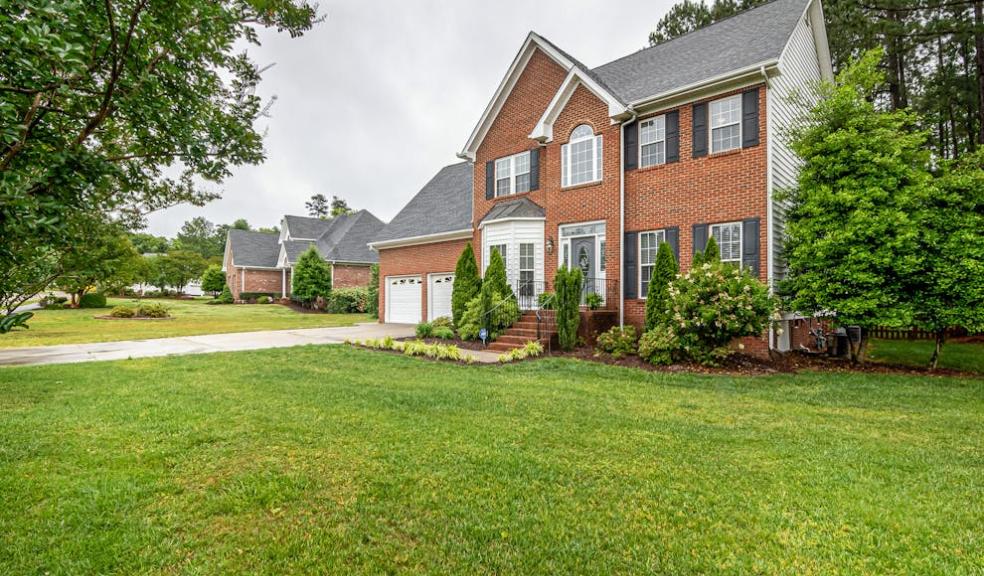
First impressions influence how buyers feel about a property before they step through the door. Estate agents often speak about kerb appeal because it affects perceived value and overall interest. A tidy, attractive front garden signals care and attention. Neglect suggests future expense.
Research from the HomeOwners Alliance shows that exterior appearance can add thousands to a property’s asking price. Buyers form opinions quickly. An inviting entrance can encourage viewings and stronger offers. A neglected frontage can have the opposite effect.
Improving a front garden does not require major construction. Thoughtful planting, defined paths, and manageable design choices often make the biggest difference. Each decision should support appearance, function, and long-term value.
First Impressions and Buyer Perception
Front gardens frame the home and influence how viewers assess overall condition. Small visual cues shape expectations before the door even opens. Buyers often connect exterior upkeep with how the interior may have been treated.
Creating Visual Order
Grass should look trimmed and edged. Borders need a clear definition. Dead plants or patchy grass suggest poor upkeep. Replacing tired planting and repairing cracked paving quickly lifts the appearance.
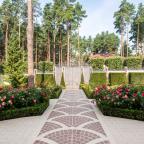
Symmetry works well for many properties. Matching planters beside the door or balanced shrubs along a path create visual stability. Repainting a gate or cleaning brickwork refreshes the setting without major cost.
Lighting, Privacy and Presentation
Lighting adds another layer of appeal. Soft pathway lighting improves safety and highlights planting after dark. Evening viewings benefit from subtle illumination that feels practical rather than overpowering.
Privacy matters too. Low hedges or structured shrubs soften boundaries without blocking light. Screening bins and utility boxes prevent clutter from distracting attention. Each improvement builds confidence that the property has been carefully maintained.
Smart Plant Choices That Add Structure and Colour
Plant selection shapes the character of the front garden and influences maintenance levels. Structured greenery provides consistency, while seasonal colour keeps the space lively across the year.
Choosing Plants That Suit the Space
Evergreen shrubs offer dependable form through every season. Varieties such as box, holly, and choisya provide year-round greenery with simple care routines.
Bulbs introduce early spring interest. Lavender, salvia, and hardy geraniums extend colour into summer. Small ornamental trees, such as acers or amelanchiers, add height without overwhelming a limited space.
Research before you buy plants. Check soil type, sunlight levels, and exposure to wind. South-facing gardens support drought-tolerant species, while shaded plots benefit from ferns, hostas, and hydrangeas. Matching plants to conditions reduces replacement costs and ongoing work.
Sourcing Quality and Planning Layout
Many homeowners focus on price first when they buy plants. Quality should guide the decision. Healthy roots and well-grown stock establish faster and look stronger over time. Some choose plants from Jackson Nurseries because established UK growers often provide detailed guidance alongside reliable specimens.
Layering helps create depth and order. Taller shrubs sit comfortably at the back, medium height plants fill the centre, and ground cover softens edges at the front. Avoid overcrowding. Plants need space to mature properly.
Colour schemes influence mood. Soft greens and whites offer a calm feel. Brighter tones add energy. Limiting the palette keeps the design cohesive and prevents a cluttered look.
Creating Clear Pathways and Defined Borders
Hard landscaping frames planting and ensures practical access. Clean lines and thoughtful materials improve both appearance and usability.
Designing Paths That Guide the Eye
Paths guide visitors directly to the entrance. Straight routes feel formal and efficient. Gentle curves soften the approach. Materials should complement the property exterior. Brick often suits traditional homes, while smooth concrete or porcelain pairs well with contemporary designs.
Clear access remains essential. Overgrown shrubs that spill onto walkways create inconvenience. Regular pruning maintains shape and safety.
Edging, Gravel and Structural Detail
Edging separates the grass from the border, making mowing easier. Metal strips, brick lines, or stone setts create crisp boundaries that show care.
Gravel areas reduce maintenance and improve drainage when laid on a stable base. Raised beds built from brick or timber sleepers introduce subtle height and definition. Keep dimensions balanced so the frontage feels open rather than enclosed.
Letterboxes, house numbers, and door furniture deserve attention as well. Clean fixtures and clearly displayed numbers improve overall presentation.
Practical Features That Add Value
Front gardens must balance appearance with everyday function. Buyers notice how well a space supports practical needs.
Parking, Storage and Drainage
Parking often influences decisions. A neat driveway with permeable surfacing supports drainage regulations and reduces surface water build-up.
Storage can become unsightly if poorly arranged. Dedicated bin screens built from timber slats or painted panels keep areas organised. Secure parcel boxes add convenience and reassurance.
Heavy rainfall can damage paving and planting. Installing drainage channels or choosing permeable materials protects the garden and reassures future buyers.
Boundaries and Security
Low fencing or brick boundary walls frame the property clearly. Well-maintained boundaries signal pride of ownership. Peeling paint or unstable posts should be addressed promptly.
Security lighting and visible house numbers improve safety without dominating the space. Thoughtful placement enhances practicality while maintaining a clean appearance.
Seating areas can appeal in certain settings, particularly within town locations. A modest bench, carefully placed near the entrance, adds function without clutter.
Keeping Maintenance Manageable
Simple, well-planned gardens often attract more interest than complex schemes that demand constant work. Buyers tend to favour spaces that look attractive yet easy to manage.
Reducing Ongoing Work
Mulch suppresses weeds and retains moisture. Bark or compost spread across borders creates a neat finish and reduces watering frequency.
Choose hardy varieties suited to the local climate. Plants that thrive without constant care provide stronger long-term value. People sometimes buy plants based on appearance alone and later struggle with demanding maintenance routines.
Consistency and Long-Term Care
Irrigation systems can help in larger gardens, though many front spaces require only occasional watering during dry spells. Rainwater butts offer an efficient solution.
Pruning schedules should remain realistic. Slow-growing shrubs reduce trimming demands. Consistent upkeep, even in small amounts, keeps the garden looking considered and orderly.
Estate agents frequently observe that tidy, manageable gardens improve buyer confidence and support stronger offers.
Strengthen Your Property’s Appeal
Front gardens shape first impressions and influence how buyers evaluate overall value. Careful planning and steady maintenance create lasting impact.
Effort invested at the front of the property often translates into higher perceived value. A clean, attractive entrance encourages viewings, supports competitive offers, and enhances daily enjoyment of your home. Thoughtful upgrades made now can deliver financial benefits when the time comes to sell.