




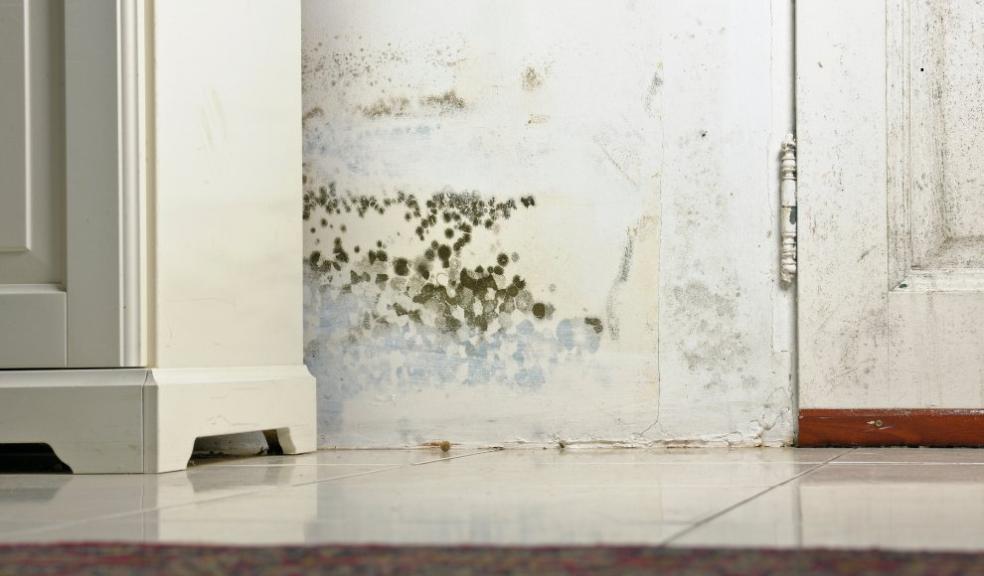
House burping’: This simple 10-minute trick can keep mould out of your home this autumn
After a scorching summer, millions of Brits may now be opting to close their windows and keep heat in their homes. However, as the cold weather ramps up, so does the potential for mould in our homes, which can lead to a wrecked property, as well as health issues.
Mould itself is increasingly infecting British homes, with millions of Brits finding it harder to keep it out of their properties. According to new data from MyBuilder.com, the reliable way to hire tradespeople, 15 per cent said this problem has been getting worse over recent years.
But thankfully, a simple habit every day may be enough to keep the mould away. This technique - known as “house burping” - involves opening your windows at least once a day, for up to 10 minutes. It swaps stale indoor air with fresh outdoor air, and, as a result, prevents our homes from suffering with condensation and poor ventilation, both of which begin to intensify around this time of the year.
Condensation can penetrate your home easily, and serves as the leading cause of damp, which can turn very quickly into mould. This issue isn’t just unsightly, it’s potentially very damaging - and not just for our houses. Alongside it weakening our homes’ structure, it produces allergens, irritants, mould spores, and other toxins that are harmful to health.
These problems are further heightened as people begin to spend more time indoors. As windows stay closed more regularly, this locks humid air inside with nowhere to escape. Everyday activities - such as drying clothes - elevate the problem by releasing large amounts of moisture, and ultimately condensation, into our homes.
A spokesperson from MyBuilder.com, said that ‘burping’ your home improves ventilation, which is proven to help keep damp and mould out of homes.
“Summer is now behind us, and the season transition is beginning. And with it, the arrival of damp and mould in our homes can take us by surprise. It’s vital to act as swiftly as possible to prevent this issue, and, while the concept of opening your windows during colder weather may sound unappealing, it’s certainly better than dealing with a mouldy home. It’s already a known effective measure in Germany - where they call it “Stossluften” - and there’s no reason why we can’t adopt this over here.
“There are other techniques you can add for further impact, too. All you need to do is open your windows and doors on opposite sides of your home, and leave the internal doors between rooms open. This creates cross ventilation. This can not only prevent condensation, but increase the air quality and therefore health of those living in the house.
“If you’d rather not let cold air into your home, however, we’ve put together other effective ways you can shield away the threat of mould before it arrives. However, if mould does become present, or pre-existing mould is still persisting, there may be another cause at play. In which case, book a tradesperson before it’s too late!”
Here’s MyBuilder.com’s key tip to beating the mould in your home:
Ventilate your home
Besides the ‘house burping’ methods, there are a number of other methods to improve the ventilation in your home. This includes trickle vents in windows, extractor fans, and airing the house regularly. Simply opening the windows while cooking or showering can make a massive difference. Dehumidifiers can also be very helpful to control excess moisture and are cheap to run, often for as little between 1p and 17p an hour.
Here’s MyBuilder.com’s tips on how to beat mould - without the cold!
Don’t dry clothes inside
It’s tempting to chuck damp clothes on radiators to speed up the drying process, but this is a major contributor to condensation. Recent research suggested that a single load can release as much as two pints of water into the air in our home. Try to dry clothes outside when possible, or use a heated dryer or a dehumidifier in a designated dry area.
Keep it constant
Experts advise that the temperature of a room should be as constant as possible to avoid mould growth. Fluctuating temperatures can actually cause the problem to be exacerbated. Try and keep your room temperature to at least 16C and 18C at all times.
Remove the mould
To do this, first ensure the affected area is dry. Then use mould killer or mould spray to remove the mould. Ensure you have the correct protective equipment including gloves and ideally a face mask and ventilate the room when removing the mould..
Anti mould paint
Once the mould has been removed, you could use anti mould paint to treat the affected area. This will add a layer of protection to help ensure the mould does not return.