




Six Property Repairs Homeowners Shouldn’t Ignore Before Winter
As autumn gives way to winter, heavier rainfall, stronger winds and falling temperatures can expose problems around the outside of a property that may have gone unnoticed during the warmer months.
Issues such as slipped roof tiles and leaking gutters may initially appear minor, but they can allow water into roof spaces or repeatedly direct it onto exterior walls, increasing the risk of damage, damp and mould.
With this in mind, the Met Office advises homeowners to check roofs for loose tiles, slates and flashing, as well as clearing guttering before winter begins.
Nicola Clayton, Social Housing Account Director, Travis Perkins Managed Services says, “A loose roof tile, leaking gutter or weakened fence post may not look urgent during settled weather, but repeated rain and strong winds can quickly make the damage worse.
“The aim is not for homeowners to diagnose or repair every issue themselves. It is about spotting the warning signs early and bringing in an experienced tradesperson before the work becomes more difficult.”
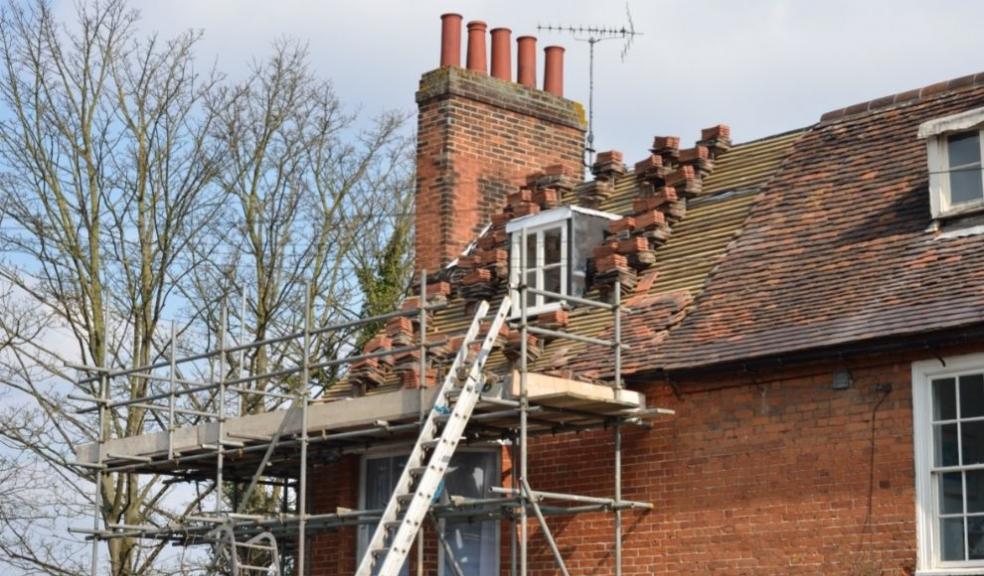
1. Damaged roof tiles, chimneys and flat roofs
Missing, cracked or slipped tiles can leave a roof exposed to rain. From ground level, look for gaps, uneven sections or fallen debris. Damp patches upstairs, water marks in the loft or visible daylight can also indicate a problem.
Chimneys are easily overlooked. Leaning pots, vegetation, bulging brickwork or deteriorated mortar should be professionally inspected. Checkatrade estimates that repointing a chimney costs around £750 on average, depending on its condition and accessibility. All quoted costs are estimates and will vary by property, location and the access required.
On flat roofs, persistent standing water, sagging or debris around outlets may indicate poor drainage.
Roof inspections and repairs should be left to an experienced roofer. The Health and Safety Executive states that roofs should be treated as fragile until a competent person confirms otherwise.
2. Leaking gutters and deteriorating fascias
Leaves and moss can restrict gutters and downpipes, while damaged joints and brackets may cause sections to leak or pull away.
Observe guttering from a safe position during moderate rainfall. Water spilling over the edge, dripping from joints or running down the wall can reveal hidden problems.
Repairing a leaking gutter joint is estimated to cost between £60 and £90. However, if escaping water has already damaged the fascias and soffits beneath, replacing them on a small semi-detached house could cost around £2,750.
Peeling paint, blackened timber or soft areas can suggest water has been escaping for some time. A tradesperson can establish how far the damage extends.
3. Cracks, deteriorating mortar and bulging walls
Not every exterior crack indicates a structural problem, but cracks and missing mortar can provide a route for moisture to enter walls.
Look for crumbling pointing, loose render and cracks around windows, doors and corners. Garden and retaining walls should also be checked for bulging sections, loose bricks and displaced coping stones.
Rather than immediately filling a crack, take a dated photograph and monitor it. Sudden or widening cracks, particularly alongside sticking doors, uneven floors or corresponding internal damage, should be assessed professionally.
RICS advises seeking specialist help when unexplained cracks are new or expanding, particularly when they exceed 3mm.
4. Loose fence panels and weakened posts
A fence panel that moves slightly in calm weather may act like a sail in strong wind, placing additional pressure on neighbouring panels and posts.
Check for loose fixings, leaning panels and moving posts. Timber that feels soft, split or heavily discoloured at ground level may be deteriorating.
Nicola explains, “A temporary repair may hold during settled weather but fail as soon as the next storm arrives. An experienced tradesperson can identify whether the panel itself is damaged or whether the posts and foundations supporting it also need attention.”
5. Blocked air bricks and raised ground levels
Air bricks near the bottom of exterior walls ventilate the space beneath some timber floors. Leaves, plants, new paving or raised soil can block them.
Restricted airflow can allow moisture to build beneath floors, while raised ground may let moisture enter above the damp-proof course. Air bricks should remain visible and clear rather than being sealed against draughts.
Historic England identifies raised external ground levels as an overlooked cause of damp and decay in older properties. A builder or surveyor can assess whether levels need lowering.
6. Blocked drains and standing water
Gullies and channel drains can quickly fill with autumn debris. Water may then collect against walls or flow towards doors, garages and lower parts of the property.
Look for slow-draining gullies, unpleasant smells and persistent puddles. Cracked or sunken paving that directs water towards the house should also be investigated.
Surface debris can be removed where safe, but recurring blockages, damaged pipework or unexplained standing water may require a drainage specialist. Typical drain repairs are estimated to cost between £450 and £750, although complex or difficult-to-access work may cost more.
Nicola adds, “A useful pre-winter check should be carried out twice: once during dry weather, when cracks and loose materials are easier to spot, and again from a safe position while it is raining, when it is possible to see where water is overflowing or collecting.
“Small defects are usually easier to deal with when they are found early. Bringing in the right tradesperson before winter can help prevent poor weather from making the damage harder and more expensive to put right.”