




The home viewing mistake leaving buyers regretting their purchase
Buying a new house is often one of the biggest purchases many people will make in their lives, so it is no surprise that most are overwhelmed by the process. There is so much to consider, from house types to location to price, that often the smaller details are forgotten about until it's too late.
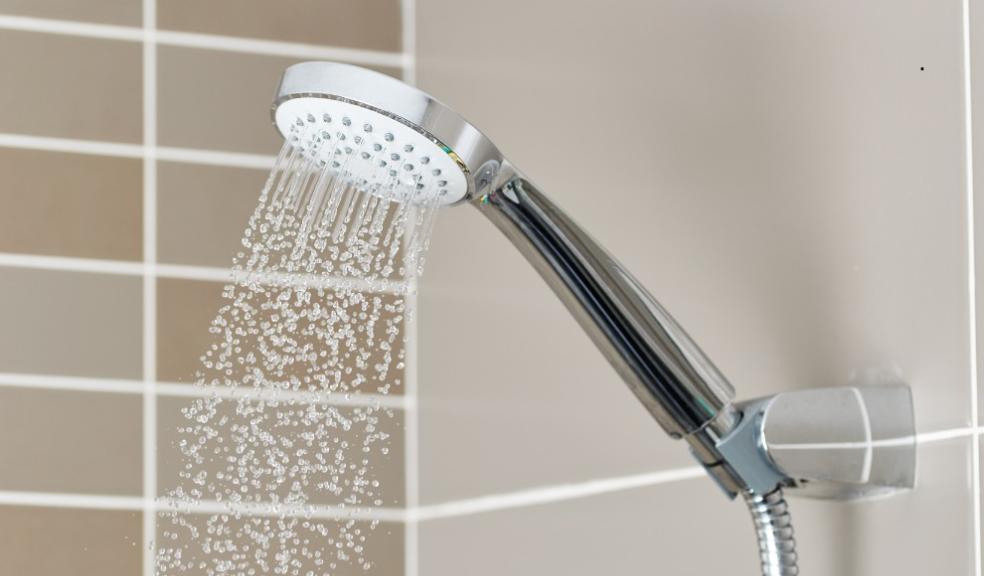
Mira Showers carried out a survey to find out what Brits think the most overlooked factor is when buying a house. They found that water pressure was the most common feature people forgot to check when viewing a home (25%), followed by factors such as broadband/mobile signal (21%) and checking out the neighbours (19%).
While Brits might not prioritise it during home viewings, water pressure is obviously important to us and can quickly become a huge frustration, with almost a third (28%) of UK adults admitting they would have to get poor shower pressure fixed immediately in order to cope, and nearly half (49%) saying they would only be able to tolerate it for a few days before taking action.
87% of buyers stated they would have concerns about purchasing a home with poor water pressure, with 45% saying it would put them off buying an otherwise suitable home altogether.
To help homebuyers avoid buying a home with undetected water pressure issues, Robin Edwards, a property buying agent at Curetons, has provided advice on what to ask and what to look out for during a property viewing.
"Water pressure is one of those things many buyers don't think to check until they've moved in and started living with the consequences. A beautiful bathroom can quickly lose its appeal if the shower is little more than a trickle or it takes ages to fill a bath."
According to Mira's research, the majority (51%) of Brits did not know that factors such as a property's position on a hill or in a rural location can impact water pressure.
Robin explains, "Geography can play a surprisingly big role; homes that are located on higher ground, in rural locations or in areas with ageing infrastructure are sometimes more prone to pressure issues.
"The key is identifying any issues before you buy, rather than discovering them on your first day in the property. During a viewing, don't be afraid to turn on taps, flush toilets and test showers if possible. Your home is likely to be the biggest purchase you'll make in your life, so don't be shy.
Despite poor water pressure being a potential dealbreaker for many buyers, Mira's research found that 57% of Brits have never tested a tap or shower during a property viewing despite 74% saying they would feel comfortable doing so.
"It's also worth asking the seller whether they've ever experienced low water pressure, particularly during peak morning and evening periods, and whether the property runs on a combi boiler, gravity-fed system or mains pressure setup."
Mira's bathroom and showers expert, Emily Robertson, has detailed six of the most common issues that may be affecting the water pressure in your new home:
-
Blockages - "Mineral buildup, rust or limescale inside pipes, filters and fixtures, like your showerhead, can narrow the waterway and cause reduced pressure."
-
Shared supply - "If multiple properties are sharing pipes, then you may experience lower pressure, especially during peak usage times."
-
Location - "Distance from your local water source and its height in relation to your home may affect pressure, as water running downhill has more force than uphill or long-distance supplies."
-
Pumping issues - "Undersized, faulty or poorly installed pumps may restrict water flow."
-
Narrow pipes - "Small or outdated pipe diameters can prevent water from running freely."
-
Valve problems - "Partially closed or faulty valves may restrict the water supply. Check that all water isolators are turned on. If you've had recent plumbing work carried out, the mains stopcock valve outside or inside the property could be partially closed, slowing water pressure.
The good news is that whilst poor water pressure can be a dealbreaker for homebuyers, in a lot of cases, upgrading pipework, installing a pump or fitting the right shower system can make a significant difference.
While some issues may require professional help, Emily has explained that there are a few quick fixes that you can try first,
-
Clean the pipes and filters - "Clear your plumbing by running cool water through your taps for a few minutes to dislodge any minor blockages, and clean any filters that may be installed to protect your appliances."
-
Clean and descale your showerhead - "Remove your showerhead and soak it in white vinegar overnight to break down limescale deposits that will be restricting the water flow."
-
Clean once a month - "Try to clean your shower hose filter, tap outlet and aerators monthly to avoid debris buildup, as well as cleaning and inspecting shower hoses for any kinks or damage and replace if necessary."
-
Upgrade your showerhead - "If limescale buildup has clogged your showerhead hose beyond repair and cleaning doesn't resolve the issue, it might be time for a new showerhead. Some showerheads, like the Mira Dramatik showerhead, can enhance the experience if you have low water pressure. Showerheads with fewer, finer holes can produce stronger water flow."
-
Invest in a power shower - "Power showers use an electrically-driven pump to transport water from your supply, they are therefore designed to operate efficiently on low-pressure gravity systems."
-
Install a water pump - "In some cases, you can install a water pump into your existing system, which will boost water flow. Not all shower installations can accommodate water pumps, so check with a professional if you aren't sure."
For further advice on how to increase water pressure, see Mira Showers ultimate guide to water pressure.