




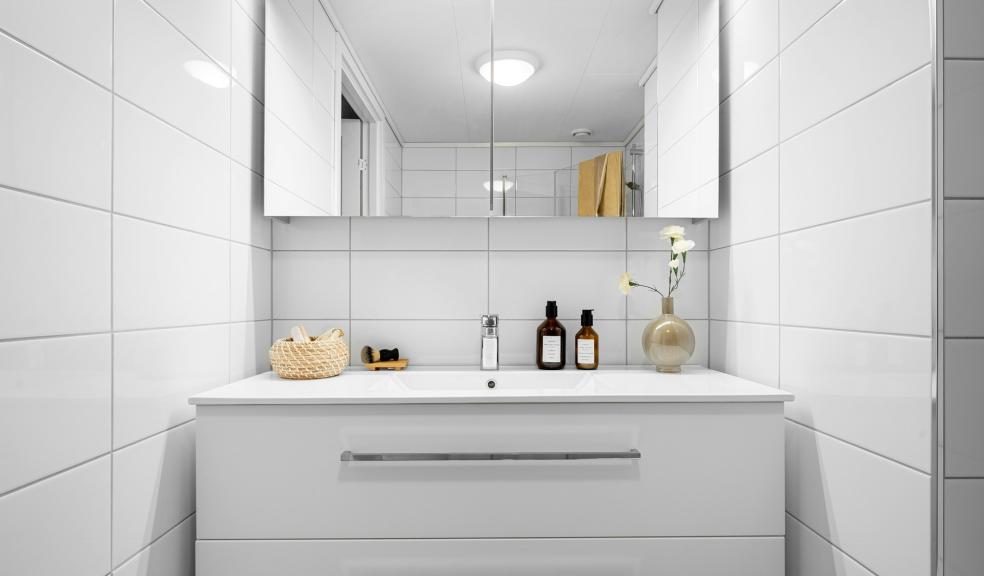
Why Pick a White Bathroom Vanity with White Quartz Top?
A white bathroom vanity with white quartz top can make a bathroom feel brighter, calmer, and easier to coordinate without locking the room into one decorating trend. The pairing works in compact powder rooms, family bathrooms, and larger primary suites because it creates a clean visual foundation. Yet white-on-white is not automatically the right choice. Cabinet construction, quartz pattern, lighting, storage, and maintenance instructions determine whether the vanity remains practical after the showroom appeal wears off.
White Creates a Flexible Starting Point
White cabinetry can sit comfortably in traditional, transitional, coastal, farmhouse, and modern bathrooms. The profile of the doors does most of the stylistic work. Shaker doors feel familiar and versatile, while flat panels create a simpler, more contemporary look. The same cabinet can change character with matte black, polished nickel, brushed brass, or chrome hardware.
That flexibility helps when paint, towels, or lighting change later. A neutral vanity also gives patterned tile, a veined backsplash, or a statement mirror room to stand out.
A Light Surface Can Help the Room Feel Open
White does not physically enlarge a bathroom, but it can reduce visual weight. A pale cabinet and top reflect available light instead of forming a dark block, which helps in bathrooms with little natural light.
Lighting temperature still matters. A cool white vanity may look blue under some LEDs, while a warm white can appear creamy beside bright white tile. Compare finish samples in the actual room during daytime and after the vanity lights are on. Check the cabinet, top, wall color, sink, and toilet together; “white” is a family of tones, not one universal color.
Quartz Offers an Easy-Care Countertop Option
Engineered quartz surfaces are commonly selected for their consistent appearance and low routine maintenance. As one manufacturer example, Cambria states that its quartz is nonabsorbent, stain resistant, and does not require sealing; it recommends warm water, a soft cloth, and mild soap for regular cleaning. (Source: Cambria, “Quartz Countertops FAQs.”) Product formulas and warranties vary, so buyers should follow the care guide for the exact countertop supplied with the vanity.
The smooth surface makes toothpaste, soap, and makeup easy to notice and wipe away. Subtle veining may disguise light water spotting better than glossy solid white. Quartz is not maintenance-proof: clean spills promptly, avoid unapproved abrasives, and protect it from excessive heat.
The Combination Makes Coordination Simpler
A white cabinet and top remove one major color decision. Matching metal finishes creates a tailored look; mixed metals work best when one is dominant and the second is a limited accent.
Contrast keeps the scheme from feeling flat. A wood mirror, textured tile, darker floor, or veined quartz can give an all-white vanity personality.
White Also Makes Wear Easier to See
The same brightness can expose dust, hair, water marks, makeup, and chipped paint. Visible residue is easier to catch early, but households wanting lower contrast may prefer gentle veining or warm white rather than stark white.
Examine how the cabinet finish is applied, especially at door edges, drawer fronts, and sink cutouts. Ask whether touch-up paint is available. A durable, smoothly cured finish will matter more over time than the shade name printed on the sample.
Cabinet Material Deserves Equal Attention
Review specifications for the frame, panels, drawer boxes, back, and finish. Plywood, solid wood, MDF, and particleboard can all appear in vanities; construction quality and moisture protection are critical.
If the cabinet contains regulated composite wood, look for information showing compliance with the U.S. EPA’s TSCA Title VI formaldehyde-emission standards. EPA identifies hardwood plywood, medium-density fiberboard, and particleboard among the covered product categories. (Source: U.S. EPA, “Frequent Questions for Regulated Stakeholders About Implementing the Formaldehyde Standards for Composite Wood Products.”)
Bathroom Moisture Still Requires Management
Neither white paint nor quartz prevents damage from a persistent leak. The U.S. Environmental Protection Agency recommends moisture control and bathroom ventilation because damp conditions can support mold growth. (Source: U.S. EPA, “A Brief Guide to Mold, Moisture and Your Home.”) Use the exhaust fan while bathing, wipe standing water, and address a leaking faucet, supply line, or drain promptly.
Inspect seams as directed by the installer, keep the cabinet interior dry, and do not store wet cloths in a closed compartment. These habits protect the finish and expose leaks early.
Confirm What the Package Actually Includes
Online product titles sometimes describe a “vanity with top” even though the faucet, drain, backsplash, side splash, or mirror is sold separately. Read the included-components list and specification drawing. Confirm the assembled width and depth, countertop overhang, sink position, faucet-hole configuration, backsplash height, and cabinet clearance for plumbing.
Ask whether the top is attached or ships separately. A separate top may be easier to carry but requires secure installation and sealing. Measure entry doors, hallway turns, stairs, and the bathroom doorway before delivery.
Choose the Right White-on-White Design
Request physical samples when possible. Compare the cabinet undertone with the quartz background and inspect a large image or slab sample. Warm white with low-contrast veining feels quiet; crisp white with restrained gray movement looks sharper.
Finally, prioritize storage and function. Check usable drawer dimensions, door swing, shelf adjustability, and plumbing space. A beautiful white vanity is only successful if everyday products have a convenient home.
Final Thoughts
A white vanity with a white quartz top is appealing because it is bright, adaptable, and relatively easy to coordinate. Quartz can offer convenient care, while the neutral palette supports many bathroom styles. The best purchase still depends on verified materials, accurate color samples, useful storage, moisture-ready construction, and a complete installation plan. Get those details right, and white-on-white can remain fresh long after the first renovation photos are taken.