




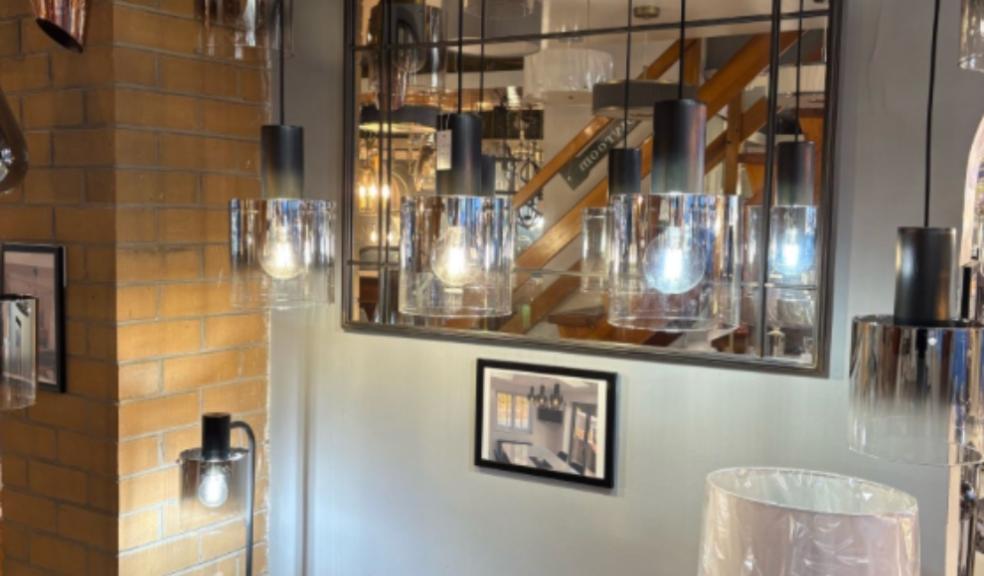
Have You Considered Layered Lighting In Your Living Room?
A living room rarely serves just one purpose. It may be a place to read, entertain friends, watch television or unwind after a busy day. One light fitting can struggle to support every activity.
Layered lighting offers a more flexible approach. Combining several sources allows a room to feel practical when needed, then softer and more inviting later in the evening.
What Does Layered Lighting Actually Mean?
Layered lighting brings together different types of illumination, each with a particular role. These are usually grouped into three categories: ambient, task and accent lighting.
Ambient light provides general visibility. It might come from a ceiling pendant, recessed spotlights or an uplighter. Task lighting concentrates brightness where it will be useful, perhaps beside a reading chair or over a desk. Accent fittings draw attention to artwork, shelving, architectural details and decorative objects.
Used together, these elements add depth. Corners feel less gloomy, busy areas become easier to use, and selected features stand out without dominating their surroundings.
Lighting can also strengthen an existing interior scheme or help you to embrace a new trend. Traditional wall lamps complement period details, while a slim metal floor light suits a contemporary room. Warm illumination brings out texture in timber, fabric and exposed brick without requiring any decorative changes.
How to Build Layers Around How the Room Works
Begin by considering what happens in each part of your living room. A sofa facing a television needs different illumination from a reading chair, home-working corner or display cabinet. Once these zones are clear, every fitting can be given a useful purpose.
A ceiling pendant can offer a practical foundation, especially when connected to a dimmer. Recessed or adjustable spotlights can also spread light more widely or highlight a chimney breast, bookcase or textured wall. Their position needs care, though, as beams directed towards seated eye level or television screens may create uncomfortable glare.
Floor lamps can suit darker corners and areas with limited table space. An arched design can bring light over a sofa, while an uplighter creates a softer glow by directing illumination towards the ceiling. A shaded model beside an armchair can provide more focused support for activities such as reading.
Wall lights provide lower-level brightness, helping a room feel less dependent on overhead fittings. They can frame a fireplace, mirror, or artwork without taking up floor space. Upward-facing styles produce a gentle wash, whereas adjustable designs offer more precise control. Plug-in versions are useful when installing new wiring would cause unnecessary disruption.
Finally, table lamps can provide perhaps the simplest finishing layer. Placed on a sideboard, console or occasional table, they create small pools of warmth after dark. Shade height matters here as a visible bulb can cause glare, particularly when reflected in glass or a television screen. Pairs can also bring symmetry to formal layouts, while a single statement design can feel more relaxed.
Give Every Light a Clear Purpose
Choosing attractive light fittings individually can lead to an uneven result. Before buying anything, consider sketching a simple furniture plan and marking where general visibility, focused brightness or decorative emphasis will be required. Too many highlighted features can compete for attention, leaving nowhere for the eye to rest.
Separate switches and dimmers also make a scheme easier to adjust. Full coverage may suit cleaning or entertaining, while a smaller combination creates a calmer setting for an evening at home. Check that LED bulbs and dimmer controls are compatible before installation.
Colour temperature can also affect how well each source works with its neighbours. Similar warm-white bulbs generally produce a comfortable, connected atmosphere. An accidental mixture of cool and very warm tones can make parts of a room appear disconnected.
Layered Lighting Myths Worth Questioning
A common misconception is that layered lighting requires an expensive electrical project. In reality, table lamps, floor lamps and plug-in wall lights can transform a room without any changes to the wiring. Hardwired additions may be worthwhile during a renovation, but they are not essential in every home.
Some homeowners also worry that using several light sources will wash out their décor. This can happen when every bulb is too bright, and all the fittings are switched on at once. Lower light levels, suitable shades and separate controls help preserve contrast and atmosphere.
That does not mean ceiling lights have no place. A pendant or set of spotlights can provide useful background illumination; it simply does not need to carry full responsibility for every activity.
Finally, matching sets are optional. Fittings connected by colour, shape or material often create a more considered look than a collection in which every piece is identical.
A Living Room That Adapts with Ease
Successful layered living room lighting responds to everyday life.
Every source should earn its place. When fittings are chosen with the room’s function in mind, layering feels neither excessive nor complicated. Instead, it creates a living space that can move comfortably from bright mornings to slower evenings.
For more interior design articles: click here.