




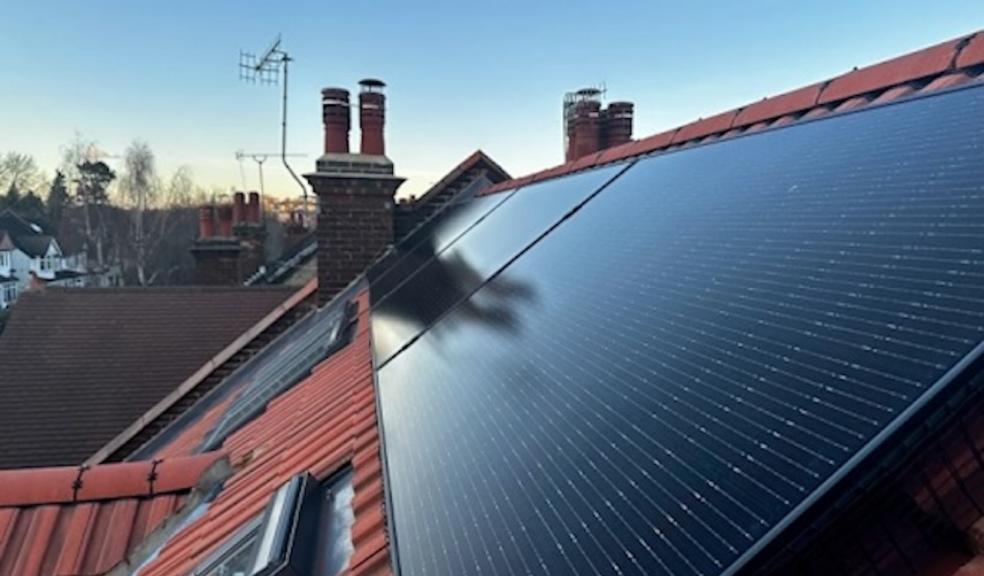
How to save £110 a year with plug-in solar: 7 tips and mistakes to avoid from a solar panel installer
From 27 August, Brits will legally be able to buy compliant plug-in solar systems and connect them directly to a household mains socket, offering a lower-cost alternative to traditional rooftop panels and reducing energy bills by up to £110 a year.
As stores including B&Q and Lidl look set to stock the green tech, Google searches for plug-in solar panels have surged by 130% this year. This comes as a record 142,500 households have installed rooftop solar panels across the UK in the first half of 2026 - the highest six-month total in 15 years.
However, with plug-in solar units set to cost around £400 for an 800W solar system, plug-in solar may not be suitable for all households, and some could even lose money.
George Penny, Solar Panel Installer and Director at The Solar Co, comments,
“Plug-in solar could make generating electricity more accessible to renters, flat owners and households that cannot afford a full rooftop installation.
“However, plugging a system into the mains does not guarantee maximum savings. The amount households save will depend heavily on where the panels are placed and when electricity is typically used.
“At a £400 purchase price, a typical plug-in solar system could take around three to six years to pay for itself. A well-positioned south-facing system could save around £110 a year and recover its cost in as little as 3 years and 8 months, while a less productive east- or west-facing setup saving £70 a year could take closer to 5 years and 8 months.
“Before spending £400 to £600, consumers should make sure their home and energy habits are suitable - or they could wait considerably longer to recover their investment.”
1. 6.2m Brits may not receive enough sunlight to make plug-in solar viable
“Government modelling suggests a well-positioned 800W system could generate around 690kWh annually, equivalent to approximately 1.9kWh per day when averaged across the year.
“A well-positioned south-facing 800W system could save around £110 a year, compared with closer to £70 for some less productive east- or west-facing setups.
“However, for an estimated 6.2m Brits that have a north-facing garden, generating enough electricity to pay back the cost of the system may prove difficult.
“Before buying, households can use free tools such as PVGIS or SunCalc to check how much sunlight their garden or balcony receives throughout the year. They can also open the compass app already built into most smartphones and stand facing the area where the panels would go to check its direction.
“A reading close to 180° means the space is south-facing, while around 90° is east and 270° is west. Homeowners should also check for shade from trees, neighbouring buildings or balcony structures, as this can significantly reduce generation.”
2. Overnight tariffs may still be cheaper for powering energy-guzzling appliances
“Plug-in solar can help power energy-guzzling appliances such as washing machine, but it may not cover the full cycle.
“If on a sunny day a solar covered half of a typical 0.7kWh wash, the remaining grid electricity would cost around 9p at the current Ofgem standard variable rate of 26.11p/kWh. The same wash on a 7p/kWh overnight tariff, such as Economy 7 or Economy 10 tariffs, would cost nearly half that at 5p.
“Given the unpredictability of British weather, many plug-in solar arrays may struggle to consistently create enough energy to make energy-guzzling appliances cheaper to run, means it is likely that the cheapest options for households would be to switch to an overnight energy tariff and run appliances between 12am and 7am.”
3. Check who owns the fence before drilling into it - or face repair costs of £160
“Plug-in solar panels can be mounted onto suitable garden structures, but homeowners should check who actually owns a boundary fence before drilling into it or attaching mounting equipment.
“If the fence belongs to your neighbour, you should get their permission before making alterations. Solar panels can also add extra weight and wind pressure, potentially damaging an unsuitable fence.
“Replacing individual fence panels can cost around £20 to £240 before labour, while longer fence replacements can run into four figures. If your installation damages a neighbour’s property, you could be asked to remove the panels and pay for the repairs.”
4. Avoid installing plug-in solar on this one balcony material or risk voiding your home insurance
“According to the government's official advice on plug-in solar, panels must not be installed on timber balconies or timber cladding.
“Installing a system somewhere specifically prohibited on fire-safety grounds could also create insurance problems if something goes wrong. Depending on the policy, an insurer could challenge a claim linked to an undeclared or non-compliant installation.
“Check your balcony material and speak to your insurer, landlord or freeholder before attaching panels if you are unsure.”
5. Households not at home during the day may save less
“Plug-in solar systems set to be legalised do not currently include battery storage, meaning the electricity should ideally be used as it is generated to ensure maximum savings on energy bills. Any surplus that the household cannot use may flow into the grid, and consumers should not assume they will be paid for it.
“Homeworkers, retirees and families regularly using electricity during daylight hours may therefore benefit most.
“Commuters whose homes are empty throughout the day could take longer to recover the system’s cost, particularly if most of their electricity use takes place after sunset.”
6. Renters should ask permission - or risk deposit deductions
“The legalisation of domestic plug-in solar panels does not automatically override a tenancy agreement. Renters should obtain written permission before attaching panels to a balcony, wall, fence or other part of the property.
“Without permission, tenants could be charged for removing the system or repairing damage at the end of their tenancy.
“In England, tenancy deposits can commonly be worth up to five weeks’ rent. A landlord cannot automatically keep the whole amount, but evidenced repair costs resulting from an unauthorised installation could be deducted.”
7. Don’t add a plug-in battery to store spare solar
“Battery storage can help households with traditional solar save more by storing daytime electricity for use after sunset. However, the new UK plug-in solar rules only cover solar systems without batteries.
“Consumers should not assume they can simply connect a plug-in battery alongside their new panels. Doing so could take the system outside the approved safety framework and may also create insurance issues if a non-compliant setup causes damage.
“For now, plug-in solar owners should aim to use as much of the electricity as possible while their panels are generating."