




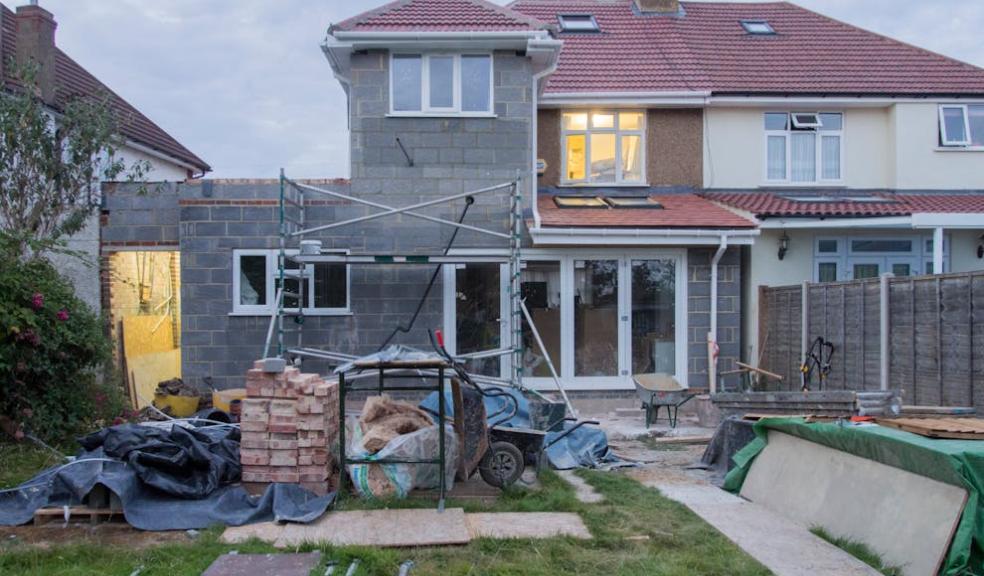
The Delivery Costs Nobody Warns You About When Renovating a Home
You budget for the kitchen. You budget for the builder, the tiles, the new bathroom suite, maybe a contingency for the surprise that always turns up once the walls come down. What most people forget is the cost of getting all of it to the door.
Delivery is the quiet line item in every renovation. It rarely appears in the glossy quotes, yet it can run into hundreds of pounds across a single project. A pallet of porcelain tiles. A bath. Kitchen units that arrive flat packed on a lorry. Bags of sand and cement. Underfloor heating. Each one has to be moved from a warehouse to your house, and someone is paying for that journey.
Usually, it is you.
The good news is that delivery is one of the easier costs to plan around once you understand how it works. A bit of knowledge here saves real money, and it spares you the awful moment when a driver phones to say the lorry cannot get down your street. If you want to keep your haulage costs under control through a renovation, it helps to know what actually drives the price.
Why a pallet of tiles costs more than you expect
Heavy building materials usually travel by pallet. That means they go on the same kind of freight network that moves goods between businesses, and freight is not priced the way a parcel is.
Couriers charge by weight and size for small items. Pallet freight works on something called volumetric weight, which weighs up how much room your goods take on the lorry against how heavy they are. Whichever number is bigger sets the price.
This catches people out. Insulation boards are a good example. They weigh almost nothing, yet a pallet of them fills a huge amount of space, so you pay for the space, not the weight. A pallet of dense tiles, by contrast, is heavy but compact. The result feels backwards. The light load can cost more than the heavy one.
Knowing this changes how you order. Where you can, group materials into full pallets rather than scattering them across several part loads. Order the bulky, lightweight items in one go rather than dribbling them in. Every separate delivery carries its own minimum charge, and those minimums stack up fast across a long project.
The access problem most renovators ignore
Builders' merchants and freight firms send out big vehicles. An articulated lorry, or at least an 18 tonne rigid. That is fine if you live on a wide road with space to unload. It is a real problem if you do not.
Narrow lanes. Low bridges. A tight cul de sac. Parked cars. A weight limit on the road. Any of these can mean the standard lorry cannot reach you, and the carrier has to send a smaller vehicle or split the load across two trips. Both options cost more, and you will not always be warned in advance.
Then there is the tail lift. If you have no forklift on site, and almost no home renovation does, the driver needs a lorry fitted with a tail lift to lower a heavy pallet to the ground. That equipment reduces how much the vehicle can carry and takes longer to use, so it often adds a charge. Worth asking about before you book, not after the invoice lands.
Tell the supplier exactly what your access is like when you order. A two minute conversation about your road, your parking, and where the pallet can be set down saves you from paying for a failed delivery and a re-attempt. Failed deliveries are among the most avoidable costs in any project, and they are almost always down to information nobody passed on.
Timing changes the price
Renovations run to tight schedules, and it is tempting to demand everything yesterday. That urgency has a price.
Same day and next day delivery sit at the premium end. Timed slots, where you insist a load arrives before a certain hour, cost more again, because the carrier has to build its whole route around your window. If your project can absorb a two or three day delivery window instead, the rate drops, sometimes sharply. The lorry can fold your goods into a route it was already running rather than making a special trip.
So sequence your ordering. Look at your build programme, work out what you genuinely need on which day, and order with enough lead time to use the cheaper service. The Federation of Master Builders offers solid guidance on planning a renovation properly, and good scheduling is exactly where delivery savings hide. Last minute panic ordering is where they evaporate.
Storage, and why it can save you money
Here is a move that experienced developers use and most homeowners never consider. If you are buying in bulk, or chasing a deal on materials before prices rise, you do not have to take delivery of everything at once.
Some freight and logistics firms offer short term storage alongside transport. You buy the materials, they hold them in a warehouse, and they release them to your site in stages as the work reaches each phase. You get the bulk buying discount and the full load delivery rate, without your half built house turning into a stockroom full of pallets in the rain.
For a larger renovation, or a landlord upgrading several properties to meet the tighter energy efficiency rules now coming in, this can work out cheaper than repeated small orders. It also keeps materials secure and dry, which matters when a damaged pallet of plasterboard is money straight down the drain.
What to check before you pay
A delivery quote can hide as much as it reveals. Two prices that look alike on the surface can carry very different terms underneath. Before you commit, run through a short mental checklist.
Is unloading included, or only the transport leg? Is there a tail lift charge for kerbside drops? What happens, and what does it cost, if the delivery fails because of access? Are there waiting time fees if the driver is held up? And crucially, what cover applies if your goods are damaged on the way? Freight carriers work to a standard liability set out in the RHA conditions of carriage, which is often lower than the replacement value of premium materials, so high value items may need extra cover.
None of this is hard to ask. It just rarely occurs to people until something goes wrong, by which point the cost is already yours to carry.
Build delivery into the budget from day one
The single biggest mistake is treating delivery as an afterthought. It is not a rounding error. On a full house renovation, the combined cost of moving materials, fixtures, and furniture can rival the price of a tradesperson for a week.
Put a real figure in your budget for it. Ask suppliers up front whether delivery is included in their quoted material prices or charged separately, because the two can differ by a wide margin. Group your orders. Be honest about your access. Give yourself lead time so you are buying economy delivery rather than emergency delivery.
Do that, and the lorry turning up becomes the easy part of your renovation rather than the expensive surprise. Your money goes into the home you are building, not into journeys you never properly counted on.