




Hidden horrors: Eight everyday items in your home that can be dirtier than a toilet
A cleaning expert from MyBuilder.com warns that there are many everyday household objects that hold far more germs than your toilet
According to the expert, this is all due to usage and cleaning habits; unlike toilets, which are typically disinfected regularly, many other everyday items that are used constantly are cleaned far less often. This means these items are frequent touchpoints for germs, which can potentially lead to illnesses and severe health issues.
Fortunately, MyBuilder.com, the reliable way to hire tradespeople, has identified some of the most common household culprits we tend to overlook. From kitchen sponges to phones and door handles, these everyday essentials could be harbouring far more bacteria than you might expect.
Esosa Igbinenikaro, a cleaning expert from MyBuilder.com, said that bacteria and viruses can spread rapidly throughout the household without people realising.
“Bathrooms are usually the focus when it comes to cleaning, with people often scrubbing and bleaching their toilets several times a week. Whereas other everyday items like the TV remote are overlooked, as in reality, they are frequently handled without washed hands.
“To improve hygiene in the home, ensure you regularly clean not just obvious items but objects such as TV remotes, door handles and light switches. “
Here's a list from MyBuilder.com of items around the house that are potentially dirtier than the toilet:
Phones
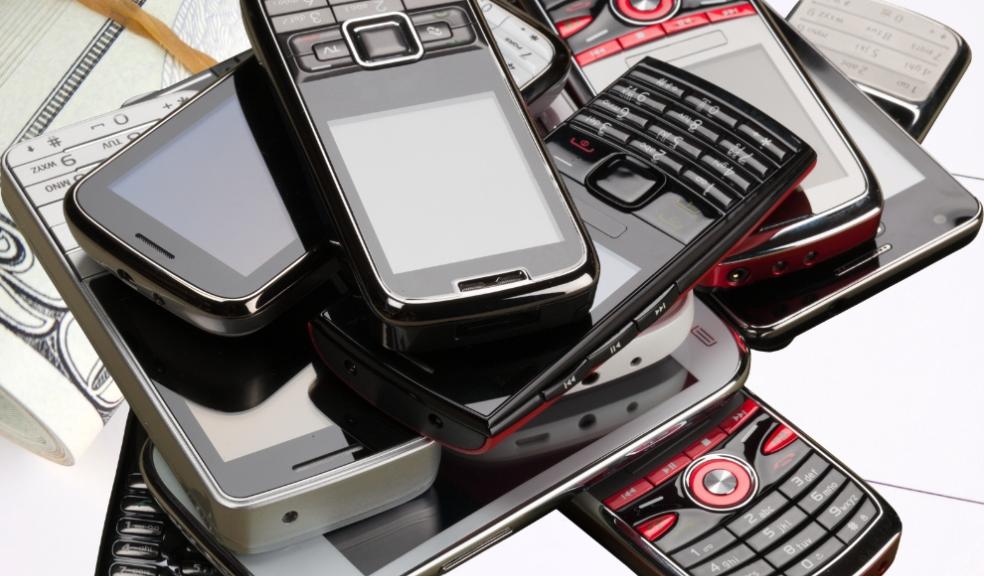
Since we carry our phones everywhere, including to the bathroom, it shouldn't come as a surprise that our phones have been found to be 10 times dirtier than a toilet seat. Regularly cleaning your devices is key to better hygiene as well as health.
Door handle and light switches
With multiple members of the household touching doorknobs, handles, and light switches throughout the day, often without washing their hands, these surfaces can quickly become hotspots for germs. Germs can easily get passed from one person to the next, making regular disinfection essential within the home to reduce the spread of bacteria and viruses.
Fridge handles
When cooking, cross-contamination is common, and it could be as simple as forgetting an ingredient mid-prep, such as the lemon for your chicken and then opening the fridge without washing your hands after handling the raw meat. This transfers harmful bacteria to the handle, so cleaning handles regularly is a simple but important hygiene step.
Dishcloth and sponges
Dish sponges and rags are among the germiest items in the home; in just two weeks, a sponge collects and stores around eight million bacteria. To reduce bacteria build-up, it's essential to either change your sponges regularly or clean them by running them through the dishwasher or the microwave to kill the bacteria that are harbouring inside.
Remote controls
TV remotes and controllers are handled constantly by different people, often while eating and drinking. This combination makes them a breeding ground for bacteria to thrive. Despite frequent use, they're rarely cleaned, so wiping daily can help keep germs at bay.
Cutting boards
Cutting boards are exposed to meat, fruit, and vegetables, which leads to chopping boards having the highest microbial load compared to other surfaces in the kitchen. To reduce the risk of illness and spread of bacteria, use separate boards for raw meat, vegetables, and fruit, and clean them after each use.
Reusable grocery bags
While reusable bags are an eco-friendly choice, they can carry bacteria from raw meat and fish you pack in your reusable shopping bag, which can leave harmful bacteria behind. So make it a habit to wash them regularly to prevent contamination and a buildup of germs.
Coffee machine
From the outside, our coffee machines seem clean, but it can come as a shock that bacteria such as mould and yeast absolutely thrive in a coffee machine. Its warm and damp environment creates the ideal conditions for the bacteria to grow, so it's important to ensure you are cleaning your coffee machines regularly inside and out.