



Urgent warning issued over TikTok solar panels amid 250% surge in demand
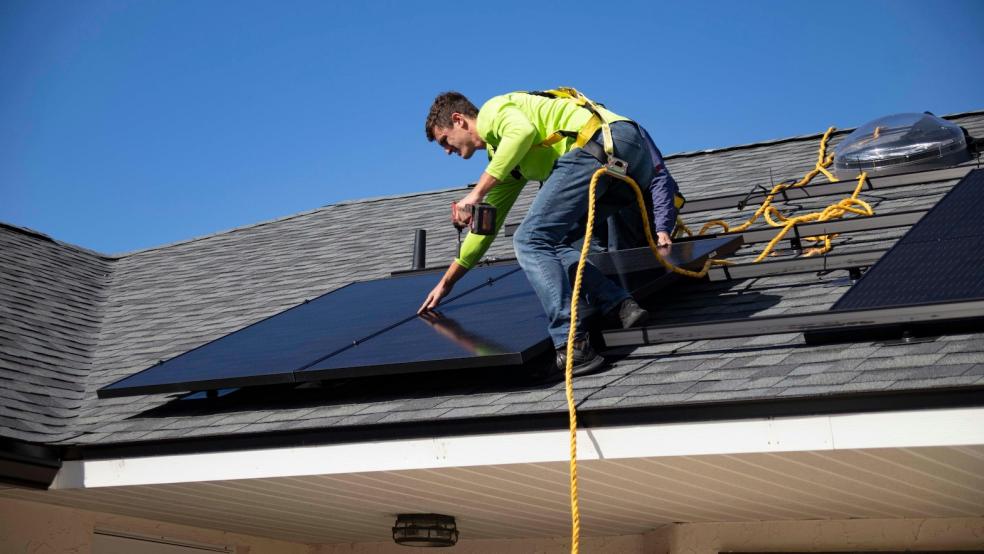
An energy expert has issued a warning about a viral money-saving trend involving ultra-cheap solar panels sold on social media, revealing they could pose serious fire risks while offering minimal savings on energy bills.
The rise in solar panel interest has been fuelled in part by viral videos on platforms like TikTok, where sellers promote compact solar panels for as little as £12.50 as a plug-and-play solution to cut household energy costs.
Anton Neike, Energy Expert at Taupia comments,
"Searches for ‘plug-in solar panels UK’ surged by over 250% on Google in March as homeowners look for cheaper ways to cut energy bills amid rising costs.
"The spike in interest comes as the UK government announces plans for £400 plug-in solar panels expected to hit major retailers like Lidl and John Lewis, making solar more accessible than ever.
"However, low-cost solar panels, some priced as little as £12.50, are being widely promoted across social media as an easy, plug-and-play way to power homes, with one TikTok Shop seller already selling over 500 cheap solar panels.
"These products are unlikely to deliver on their promises and could pose safety concerns, particularly as a growing trend on TikTok risks misleading consumers."
Anton's four key tips to look out for when exploring at-home solar kits:
-
Check the energy performance - it may take six years of phone charging to pay back a DIY solar panel
“It’s important to be realistic about what small, low-cost panels can actually achieve when it comes to cutting energy bills. Many of the products trending on TikTok are compact, low-wattage devices, often between 5W and 20W, which are typically capable of charging small electronics like phones or power banks.
“Despite how they’re marketed, they likely will not generate enough power to meaningfully reduce household energy bills or run appliances.
“Under Ofgem’s current price cap of around 24.67p per kWh, charging a typical smartphone can cost around 18p per month, or just over £2 annually if charged daily.
“Even if a cheap solar panel covered all of that for free, the savings long-term would be negligible. At that rate, a £12.50 panel would take over five years to pay for itself”
-
Check for a UKCA or CE certification mark
“One of the first things homeowners should look for is proper safety certification - any solar product sold in the UK should clearly display a UKCA or CE mark.
These indicate that the product meets basic safety and compliance standards. If this information is missing, unclear, or buried in vague claims, it’s a strong indication the product may not have been properly tested and should not be used.”
-
Avoid unsafe plug-in claims
“With growing interest in solar panels that can plug back into the grid, it’s important to be weary of any claims that suggest solar panels can be plugged directly into a standard wall socket.
“Proper solar setups require additional components, including inverters and safety mechanisms, to convert and regulate electricity safely. Attempting to use a panel without these safeguards could pose serious electrical risks.
“The government is working to bring safe plug-in solar panels to the market, however until that point, it is not recommended to plug in cheaper solar systems straight into your sockets.”
-
Watch for fire and overheating risks
“Finally, there are concerns around fire safety and overheating. In the UK, around 7,000 house fires each year are caused by faulty electrics and overloaded sockets.
Lower-quality panels may use substandard wiring or components, increasing the risk of faults when in use - which presents a significant fire risk. Without proper insulation or surge protection, these devices can overheat - particularly if left charging unattended or used indoors.
For this reason, it's better to exercise caution when exploring the use of low-cost solar panel chargers.”