




Professional Finishes That Strengthen Property Appeal and Value
Interior design is all about the little details, and tile trims are a great example of this. These decorative accents can completely transform the ambience of a room by adding structure, contrast, and balance to the space. Tile accents can be used in such a way that they either blend into the background or become a statement piece.
Why Border Tiles Remain Relevant in Modern Interior Design
Border tiles remain useful because they serve multiple design functions simultaneously. They ensure a smooth transition from one surface to another, such as from walls to floors or from one type of tile to another. They also conceal the edges of the tiles, protecting them while providing a polished finish.
Choosing the Right Tile Detail for Your Space
The selection of the appropriate tile detail depends on proportion, material, and placement. Pencil tiles are commonly used because of their clean lines and subtle beauty. In the kitchen, it is best to keep the tile detail simple and blend well with the backsplash designs and cabinets to avoid dominating the space.
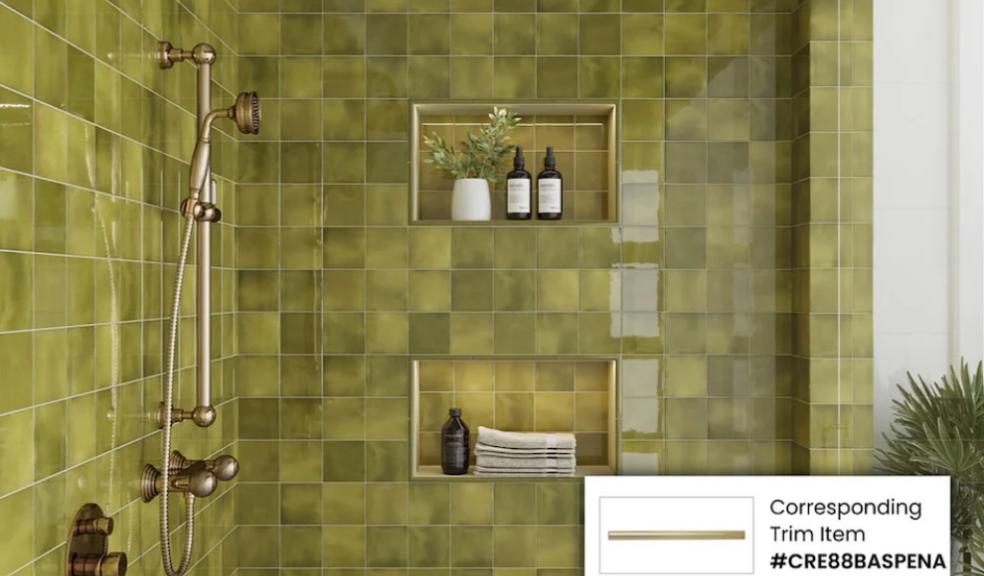
In bathrooms, water-resistant materials such as porcelain or ceramic tiles are a must, offering functionality and aesthetic appeal. Colour is also an important factor. Lighter colours brighten up a small bathroom, while darker or contrasting colours can add depth and interest. The use of decorative tile borders on the edge of a backsplash or around a shower niche can help to define the space. These borders should be coordinated with the materials around them to create a cohesive and polished look.
Tile Trims In Different Spaces
Decorative tile trims can also be applied throughout the house, making the space look more organised and complete. The role of tile trims may vary depending on the space, whether it is for protection, visual definition, or decoration.
Areas where tile trims are useful:
- Kitchens: Tile trims can be used to finish the edge where the backsplash meets the wall or countertop. They protect the edges from moisture and splashes while maintaining a tidy installation. A tile trim will also serve as a clean finish to the backsplash, creating a sense of order and organisation.
- Hallways & living spaces: Decorative tile can be used around the tiled feature walls or fireplace areas that create a stunning living room. This approach adds definition while maintaining a calm, cohesive look without relying on bold patterns.
- Bathrooms: Tile trims can be used to create a border around the shower niches, vanity walls, or even a mid-wall detail. This will ensure that the bathroom has some structure and that the tiled areas do not look bare. Tile trims also serve the purpose of protecting tile edges in wet spaces.
- Open-plan homes: In open-plan spaces, tile trims can be applied to demarcate spaces such as the kitchen and dining areas. This creates a sense of organisation without compromising openness.
Combining Classic Elements with Modern Design
Contemporary interior design is trending towards a cleaner and more elegant aesthetic. Rather than incorporating bold patterns throughout the space, designers are now using small details to enhance a simple tile installation. A trim around the edge of a backsplash or at eye level can greatly enhance a space without overwhelming it.
Combining traditional ceramic borders with stone tiles or matte finishes provides a timeless look that can be incorporated into almost any home. In a minimalist setting, subtle contrast provides visual interest without clutter, while in a more traditional space, these details add warmth without weighing down the design.
Achieve a Flawless Finish with Tile Borders
Although these are purely aesthetic elements, careful installation is important to achieve a clean look. Clean lines, equal spacing, and uniform grout lines make a big difference, particularly in linear designs where alignment is important. Ceramic and porcelain borders are low-maintenance and durable. Glass tile borders introduce subtle light reflection that helps brighten a space. Natural stone borders need to be sealed every 6-12 months, but they add a distinct texture and dimension that many homeowners find desirable.
Design Elements That Add Value
Well-executed tile design improves the aesthetic appeal of a property. An interior space that appears cohesive and well-designed is likely to make a greater impact on the visitor, tenant, or potential buyer. Such details as trims, no matter how small, can go a long way in giving the impression of structure and completion, making interiors look more sophisticated and well-maintained. These elements convey a sense of care and attention to detail, which is often associated with high-quality finishes and long-term property value.
Simple addition of these decorative elements does not have to be the focal point of a room but rather serve as a complement to other design elements, such as lighting, furniture, and texture. This approach goes well with modern property design trends, where clean lines and timeless finishes are preferred over more dramatic statements. Such design considerations will go a long way in maintaining the aesthetic appeal of properties, which can work well for both short-term and long-term use.
Conclusion
Tile accents can seem like a small detail, but their impact is long-lasting. When done well, tile trims bring structure and sophistication to a room, and they do so in a way that complements a variety of interior design styles. Whether it’s a clean line or a soft frame, tile accents are a great way for homeowners to bring their interior design together in a way that doesn’t have to be complicated.