




The "Solar Premium" in 2026: Why Battery Storage is Now the Leading Metric for UK Property Value
In 2026, the question for UK homebuyers has shifted from "How many bedrooms?" to "How energy-independent is this home?" As energy costs remain a primary concern for the modern household, properties equipped with high-efficiency solar arrays and integrated storage are commanding a significant "Solar Premium." Recent market data indicates that solar panels for home installations can now increase a property's resale value by 4% to 14%, often exceeding the initial cost of installation from day one.
The Shift from "Add-on" to "Asset"
Just three years ago, solar panels were often viewed by surveyors as a niche modification. In 2026, they are treated as a foundational asset. This shift has been driven by the Future Homes Standard, which now requires most new-build properties to integrate renewable technology as a baseline.
For existing homeowners, the valuation boost is even more pronounced. A professionally installed system from a certified provider like Solar4Good doesn't just lower the operational cost of the home; it "future-proofs" the property against tightening EPC (Energy Performance Certificate) regulations.
Why Battery Storage is the Real Value-Driver
While solar panels provide the generation, battery storage provides the financial certainty that buyers crave in 2026. A home that can store its own power is perceived as a "resilient asset."
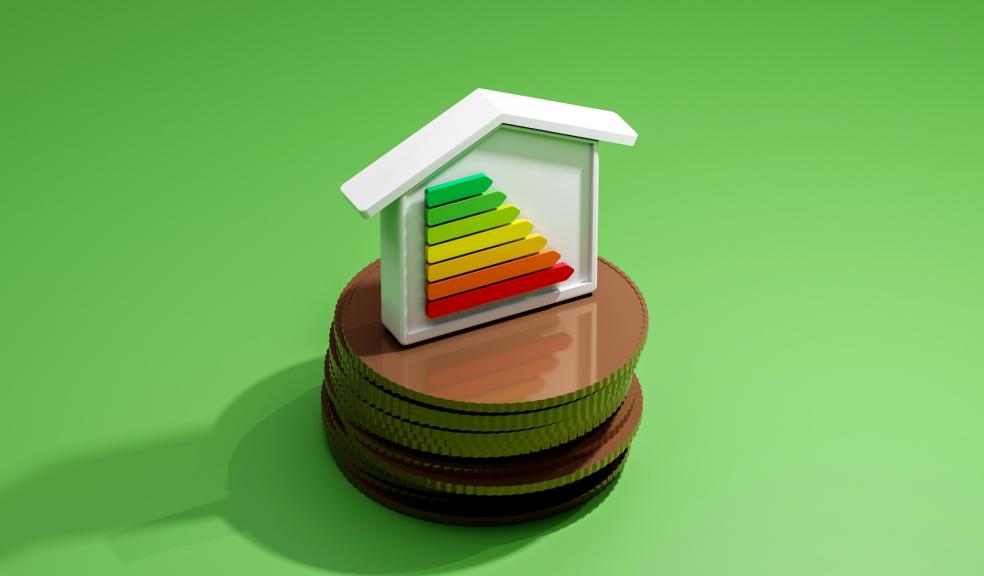
- EPC Grade Jump: Adding a solar-plus-battery system typically raises an EPC score by at least two grades (e.g., from D to B). According to Rightmove's 2026 Greener Homes report, moving a home from an EPC D to C alone can add an average of 3% to its market value.
- The 24/7 Power Factor: Buyers are now tech-savvy enough to know that without a battery, solar benefits are limited to daylight hours. Homes that offer "whole-home backup" are selling up to 15% faster than those with solar-only setups.
- Smart Export Revenue: Buyers are increasingly looking for homes already registered for high-yield Smart Export Guarantee (SEG) tariffs, allowing them to earn passive income from the moment they move in.
The Landlord’s Perspective: Compliance and Yield
For the 2026 rental market, solar is no longer optional for high-yield portfolios. Under the government's recently launched Warm Homes Plan, landlords are under increased pressure to meet EPC Band C targets by 2030.
Investing in solar panel installers in the UK allows landlords to:
- Justify Premium Rents: Tenants in 2026 are willing to pay more for "bills-included" or "low-bill" tenancies.
- Avoid "Stranded Asset" Risk: Properties that fail to meet upcoming energy standards risk becoming unmarketable or un-lettable by the end of the decade.
Key Factors That Maximize the Solar Premium
If you are installing solar with an eye on future resale, ensure the system meets these 2026 "Buyer-Ready" criteria:
- Ownership: Ensure the system is owned outright. Leased "rent-a-roof" schemes from the early 2010s can complicate sales; owned systems are pure equity.
- Aesthetics: High-efficiency, "all-black" monocrystalline panels are the gold standard for curb appeal.
- Paperwork: Buyers (and their solicitors) will require MCS certification, HIES insurance-backed guarantees, and proof of DNO (District Network Operator) registration.
Final Verdict for Homeowners
In the 2026 property market, energy efficiency is the new "kitchen renovation." It is the most visible and practical upgrade a homeowner can make. By partnering with experts to install high-performance [solar for home] systems, you aren't just saving on your monthly outgoings—you are building a more valuable, liquid, and desirable asset for the future.