




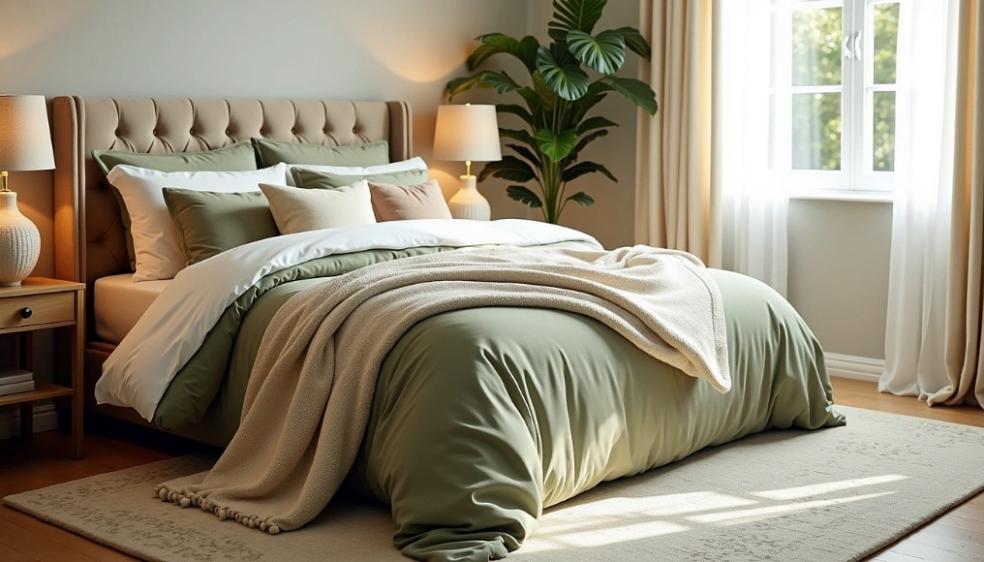
Why Expert Designers Choose These Bedroom Textiles (And You Should Too)
Your bedroom should be your own personal sanctuary. The fabrics you choose do far more than simply look pretty—they directly impact how well you sleep and how you feel when you wake up.
The textiles covering your bed aren't just design elements; they're essential factors that shape your entire sleeping experience.
Professional designers understand something crucial about bedroom planning. Textiles absorb sound, soften harsh corners, manage temperature, and add the warmth that makes a house feel like home. The bedroom textiles available today offer endless possibilities, from breathable cotton that lets both you and your room breathe freely, to luxurious Egyptian cotton that provides superior comfort and insulation.
Why should textiles be your starting point?
You can create visual depth without overwhelming your colour palette simply by layering different bedding textures. This approach balances your personal style with practical needs like climate control and easy maintenance.
Whether you're planning a complete bedroom makeover or just refreshing your bedding collection, the right textile choices will make all the difference. You'll discover why expert designers prioritise certain fabrics, how to mix textures like a pro, and which practical benefits make specific bedroom textiles worth every penny.
Don't forget, your bedroom deserves fabrics that work as hard as they look good. Ready to create a sleeping space that's truly worth shouting about?
Why textiles matter in bedroom design
The textures you touch every morning and night create powerful sensory experiences. Your cotton sheets, that wool throw draped over your reading chair, your velvet cushions—these bedroom textiles serve as both functional necessities and emotional touchpoints in your most personal space.

Image source: Bedstar
Comfort, warmth, and emotional impact
Your physical comfort and mental state go hand in hand. The materials surrounding you while you sleep directly impact your rest quality through both touch and psychological comfort. High-quality sheets with substantial thread counts don't just feel pleasant, they actively encourage deeper relaxation, whilst scratchy or cheap fabrics can irritate and disrupt your sleep.
Different materials offer distinct experiences. Silk bedding provides a uniquely soothing sensation against your skin, helping reduce stress levels. Egyptian cotton delivers breathability and unmatched comfort that you'll notice immediately. Linen offers year-round temperature regulation, keeping you cool during summer nights and cosy throughout winter months.
The psychological effects go beyond simple comfort. Your bedding creates sensory cues your body associates with rest and relaxation. High-quality bedroom textiles aren't simply luxurious treats—they're investments in your overall wellbeing.
How textiles shape the feel of your room
Textiles determine how your space both looks and functions. Without them, bedrooms feel incomplete and cold—something fundamental is missing. Here's what textiles contribute beyond just looking good:
- Absorb sound and soften acoustics
- Buffer temperature fluctuations
- Add tactile warmth to hard surfaces
- Create visual depth through layering
- Soften harsh corners and angles
The right rug transforms a cold floor into an inviting surface for bare feet. Properly selected curtains control light whilst creating privacy. Designers recognise that fabrics establish your room's emotional temperature—they determine whether your space feels formal or relaxed, energising or calming.
Takeaway Tip: mixing velvet with wool or silk with cotton creates multidimensional appeal whilst maintaining visual harmony.

Image source: Bedstar
Why designers prioritise textiles early in planning
Professional designers understand something crucial about interiors: textiles shouldn't be afterthoughts. Many homeowners mistakenly consider fabrics last, after choosing furniture and paint colours. This approach misses a vital opportunity.
Textiles establish your bedroom's fundamental character. They serve as essential groundwork rather than decorative extras. High-performance bedroom textiles handle real-life challenges—from morning coffee spills to pet accidents—whilst maintaining elegance.
Textiles dramatically influence functionality. They define how your space performs, from temperature regulation to sound absorption. Without carefully chosen textile selections, even beautifully arranged furniture can feel unwelcoming.
The most successful bedroom designs consider textiles from the beginning. This approach allows you to create spaces that feel emotionally right whilst meeting practical needs. Understanding textile properties becomes essential for creating bedroom environments worth enjoying every single day.
The bedroom textiles that make a difference
Choosing the right fabrics for your sleeping space goes beyond pretty patterns—it's about creating a sanctuary that supports your wellbeing. The materials surrounding you as you sleep directly influence both comfort and how long your textiles will last. Some bedroom textiles clearly stand out among designers and homeowners, and here's why they deserve your attention.
Cotton: breathable and versatile
Cotton earns its reputation as a bedroom favourite for excellent reasons. This natural fibre keeps you comfortable year-round, staying cool during summer heat and providing warmth throughout winter months. The breathability allows air to circulate freely, preventing that stuffy feeling and reducing moisture buildup that can harbour allergens.
Egyptian cotton deserves special recognition. Grown specifically in Egypt's climate, it features longer staple fibres that create noticeably softer, more durable fabric with superior breathability. Yes, it costs more than standard cotton, but many consider the luxurious feel and longevity worth every penny.
Takeaway Tip: Brushed cotton offers another option, treated with fine-toothed metal brushes to create a fluffier texture that feels particularly cosy against your skin during winter months.
Linen: relaxed and natural
Made from flax plant fibres, linen brings that effortlessly relaxed aesthetic to any bedroom. The process starts with harvesting flax, soaking the stems to separate fibres, then spinning these into threads for weaving.
Linen excels where many other fabrics struggle—moisture-wicking and temperature regulation. It keeps you cool during summer yet provides warmth when temperatures drop. Unlike cotton's smooth finish, linen maintains that slightly textured, casually rumpled appearance that gives bedrooms character.
Here's what makes linen particularly smart: it actually becomes softer with each wash. The fibres are naturally 30% thicker and stronger than cotton, making linen a brilliant long-term investment.
Velvet: rich and luxurious
Velvet instantly elevates any bedroom with its distinctively soft touch and rich texture. Beyond looking sophisticated, velvet offers practical benefits—excellent sound absorption that creates a quieter sleeping environment.
Modern velvets combine beauty with real-world practicality. They offer stain resistance and durability that work even in busy households. The exceptional insulation properties make velvet textiles particularly brilliant for colder climates.
Wool: warm and durable
Wool's temperature regulation properties are remarkable. Small air pockets within the fibres circulate heat intelligently moving warmth towards your body when you're cold, moving air away when you're warm. This natural thermoregulation keeps you comfortable regardless of room temperature.
Wool bedding maintains its shape, loft and comfort for years, unlike synthetic alternatives that flatten over time. Consider these impressive benefits:
- Naturally resistant to dust mites, mould and bacteria
- Absorbs up to 30% of its weight in moisture without feeling damp
- Hypoallergenic qualities perfect for allergy sufferers
- Fully biodegradable and renewable resource
Polyester blends: practical and affordable
Balancing quality with budget? Polyester blends offer compelling advantages. These synthetic fabrics provide durability that withstands years of washing and daily use. Their resilience against tearing, fading and shrinking means your bedroom textiles maintain their appearance longer.
Polyester excels at moisture-wicking, keeping you cool and dry during warm nights by effectively moving moisture away from your body. Maintenance couldn't be easier—machine wash without fuss, and they resist wrinkles, eliminating ironing.
When combined with natural fibres like cotton (typically 65% cotton/35% polyester), these blends deliver natural softness with enhanced durability and affordability.
What makes bedroom textiles worth the investment?
Beautiful fabrics are just the beginning. Your bedroom textiles need to work hard behind the scenes, performing crucial practical functions that enhance your daily comfort and safety. The right fabrics don't just look appealing—they actively improve your living environment in ways you can measure.
Sound absorption and insulation
Ever notice how your voice echoes less in a furnished room? Curtains do more than block light—they significantly reduce echo and noise. Just as a ball loses momentum when bouncing against something soft, sound waves behave similarly when hitting absorbent materials like textiles. Your bedroom fabrics primarily absorb high frequency sounds typical of distracting conversations, creating a more peaceful sleeping environment.
The effectiveness depends on material density, thickness, and placement. Curtains hung a few centimetres from walls act as panel absorbers, converting sound energy into kinetic energy. For optimal acoustic performance, you'll want fabrics with specific airflow resistance between 0.8 and 2.5 Kpas/m.
Temperature control that works
Here's something that might surprise you: studies show approximately 30% of heat loss occurs through windows. Thermal curtain linings create an insulating air pocket between your warm room and cold windows, effectively preventing heat exchange. These same textiles reflect summer heat outward, keeping rooms cooler during hot weather. Wool textiles deserve particular attention as natural insulators that simultaneously dampen sound.
Durability in high-use areas
Which fabrics last?
Durability often correlates with weave tightness—closely woven threads resist snagging and wear. The "rub count" (measuring abrasion resistance) indicates longevity; while domestic furniture typically rates at 25,000 rubs, premium textiles offer triple that performance.
Families with children should prioritise tightly woven synthetic fibres that resist pilling and snagging. Don't worry about sacrificing comfort—materials like chenille combine softness with impressive resilience.
Textiles room safety rules and fire ratings
What do you need to know about safety?
UK textiles room safety rules vary by application. According to regulations, curtains, blinds, bed clothes and cushions for domestic use don't require specific fire ratings. However, upholstery fabrics must meet Furniture and Furnishings (Fire Safety) Regulations standards.
Fire retardancy ratings fall into several categories: "Not Rated" (requiring chemical treatment), "Requires Schedule 3 Barrier Cloth" (for cigarette-tested natural fibres), "Match Tested" (suitable for domestic upholstery), and "Crib 5" (for public buildings).
Performance fabrics for family homes
Households with children and pets need textiles that can handle real life. Performance fabrics provide ideal solutions, withstanding stains, fading, and general wear while remaining stylish. They offer multiple advantages:
- Stain and water resistance
- Longer lifespan than conventional fabrics
- Enhanced comfort and protection
- Superior durability against daily use
Many performance fabrics incorporate technologies that combat bacteria and viruses, adding another protective layer for families. Materials like olefin (polypropylene) repel water entirely, making them exceptionally stain resistant. Treated polyester combines exceptional durability with ease of cleaning—many spills simply wipe away with mild soap and water.
When shopping for bedroom textiles online, look specifically for performance velvet options that combine luxury appeal with practical benefits for busy households.
Create the perfect mood with colour and texture
The colours and textures surrounding you while you sleep do more than simply look beautiful—they actively influence how you feel and how well you rest. Expert designers understand this powerful connection between what you see and how you respond, making deliberate choices to create exactly the right atmosphere for your personal sanctuary.
Colour psychology in bedroom textiles
Colour psychology plays a significant role in our emotions and behaviours. Blue tones work particularly well for bedrooms, with studies showing that people who sleep in blue bedrooms get more sleep than those with any other colour. Green shades reduce anxiety and support good sleep, connecting us to nature's calming influence.
Some fascinating research reveals that 40% of people prefer blue, which stands for harmony, trust, and reliability. Light pink has a proven calming effect, with research indicating we become increasingly relaxed the longer we're exposed to it. For those seeking energetic mornings, yellow and orange infuse positivity and motivation.
Cool colours typically work best for relaxation, whereas warm colours like red might be too stimulating for restful sleep. Your intuitive response to colours should guide your bedroom textile choices.
Layering textures for depth and softness
Texture layering creates visual interest and tactile comfort that makes your bedroom feel professionally designed. The secret lies in thoughtfully combining different materials—perhaps pairing smooth silk with nubby wool or contrasting plush velvet with crisp cotton.
Start with a neutral foundation, then build layers that add depth and dimension. Mix smooth textures like polished wood with rougher elements like natural linen. Soft textures including velvet cushions or plush rugs create an inviting atmosphere and physical comfort.
Expert designers achieve balance by ensuring each texture contributes to the overall mood without overwhelming the space. This approach creates a bedroom that feels cohesive yet multidimensional.
Using textiles to balance light and shadow
Your bedroom textiles dramatically influence how light behaves within your space. Proper lighting enhances colour tones—warm lighting brings out earthy shades like olive green and taupe, whilst cooler lighting sharpens blues and greys.
Textiles can strategically manage light and shadow, brightening dark feature walls or softening harsh lighting. They offer an affordable way to control light patterns throughout the day, creating different moods as natural light shifts. With thoughtful placement, textiles help balance shadowy corners with brighter areas, creating visual harmony that enhances relaxation.
How to layer textiles like a pro
Professional designers don't just throw cushions on a bed and hope for the best. They follow a strategic approach that builds from the ground up, creating spaces that feel intentionally curated rather than randomly assembled.
Which layer should you start with?
Think of textile layering like building a house—you need a solid foundation before you can add the finishing touches.
Start with your foundation: rugs and statement furniture
Your base layer anchors the entire space. A generous rug that extends well beyond your bed creates a soft landing for bare feet whilst defining your bedroom's boundaries. Choose natural materials like jute for durability or plush wool for warmth and sound absorption.
Your upholstered bed becomes your primary texture statement. Linen headboards bring relaxed elegance, while velvet adds instant luxury. Remember, this piece sets the tone for everything else you'll add.
Build your middle layer: curtains, throws and bedding
The middle layer adds substantial visual weight to your room. Your curtains do more than control light—they contribute significant texture and warmth. Linen works beautifully for casual elegance, whilst velvet creates dramatic impact.
Mid-weight quilts or blankets provide extra warmth and perfect opportunities to introduce complementary colours. Here's a designer secret: size up your duvet (try super-king on a king size bed) to create that cloud-like effect that makes beds look irresistibly plush.
Perfect your finishing touches: cushions and accents
For the final layer, expert designers use the "triangle formation" technique—place two same-size cushions side by side with a smaller cushion centred in front. Others prefer the diamond arrangement, alternating tilted and straight cushions.
Your top elements should offer tactile contrast. If your duvet features smooth sateen, introduce chunky textured throws. This interplay between different textures creates the visual interest that makes rooms feel professionally designed.
How do you mix patterns without creating chaos?
The secret to successful pattern mixing starts with establishing a strong colour palette that unifies different designs. Professional designers swear by the "rule of three"—combine one large-scale pattern with one medium and one small-scale pattern.
Distribute these proportionally: 60% for your main pattern, 30% for secondary patterns, and 10% for accents. Feeling overwhelmed? Introduce solid neutrals to provide visual rest and balance.

Image source: Bedstar
Want to make eco-friendly choices?
Eco-conscious designers increasingly choose natural fibres like organic cotton, wool and linen that conserve resources and reduce waste. These materials create healthier living environments free from harmful emissions.
The most sustainable approach? Choose high-quality textiles designed to last, reducing the need for frequent replacements. Wool and cashmere stand out as particularly smart choices—they provide exceptional durability whilst offering thermal insulation properties that actually reduce your energy consumption.
Takeaway Tip: Don't forget, sustainability doesn't mean compromising on style. Many eco-friendly options offer superior performance and longevity compared to synthetic alternatives.
Ready to create your perfect bedroom sanctuary?
The textiles you choose will shape not only how your bedroom looks but how it makes you feel every single day. The right fabrics can turn your bedroom into a sanctuary where both your body and mind truly rest.
You've discovered why natural materials deserve your attention. Cotton delivers versatility and breathability that works year-round. Linen gets softer with every wash whilst regulating temperature beautifully. Velvet brings luxury alongside practical sound-absorbing benefits, and wool offers thermal regulation that's simply unmatched.

Image source: Bedstar
What makes the biggest difference?
Remember, your textile choices should balance what you love with what works for your lifestyle. The colours you choose—those calming blues and greens—directly impact how well you sleep. Smart layering creates visual depth without overwhelming your space, starting with foundation pieces and building up to accent cushions that add personality.
Performance fabrics deserve serious consideration if you've got children or pets. They handle daily life whilst maintaining their style and comfort—exactly what busy households need.
Don't forget, quality bedroom textiles represent an investment in your wellbeing rather than just another expense. The fabrics surrounding you create the sensory cues your body associates with rest and relaxation.
You now have everything you need to make informed choices about the textiles that will create the restorative retreat you deserve. Your bedroom should work as hard as you do—and with the right fabrics, it absolutely will.
Ready to start your textile transformation? Your perfect night's sleep is waiting.
FAQs
Q1. Why are textiles important in bedroom design? Textiles play a crucial role in bedroom design by adding comfort, warmth, and emotional impact. They shape the feel of a room, absorb sound, regulate temperature, and create visual depth. Designers prioritise textiles early in planning because they establish the fundamental character of a bedroom and influence its functionality.
Q2. What are some popular bedroom textile materials and their benefits? Popular bedroom textile materials include cotton (breathable and versatile), linen (relaxed and natural), velvet (rich and luxurious), wool (warm and durable), and polyester blends (practical and affordable). Each material offers unique benefits such as temperature regulation, moisture-wicking, and durability.
Q3. How do colours and textures affect mood in a bedroom? Colours and textures significantly influence mood and sleep quality. Blue and green tones are particularly effective for promoting relaxation and better sleep. Layering different textures creates visual interest and tactile comfort. Textiles can also be used to balance light and shadow, enhancing the overall ambiance of the room.
Q4. What is the best way to layer textiles in a bedroom? Professional designers layer textiles starting with a base layer (rugs and large furniture), followed by a mid-layer (drapes, throws, headboards), and finishing with a top layer (cushions, trims, accents). This approach creates a cohesive and intentionally curated look. When mixing patterns, it's recommended to follow the "rule of three" and maintain a consistent colour palette.
Q5. Are there eco-friendly options for bedroom textiles? Yes, there are eco-friendly options for bedroom textiles. Sustainable choices include organic cotton, wool, and linen, which conserve resources and reduce waste. These natural fibres create healthier living environments and often offer excellent durability. Choosing high-quality textiles designed to last is also a sustainable approach as it reduces the need for frequent replacements.