




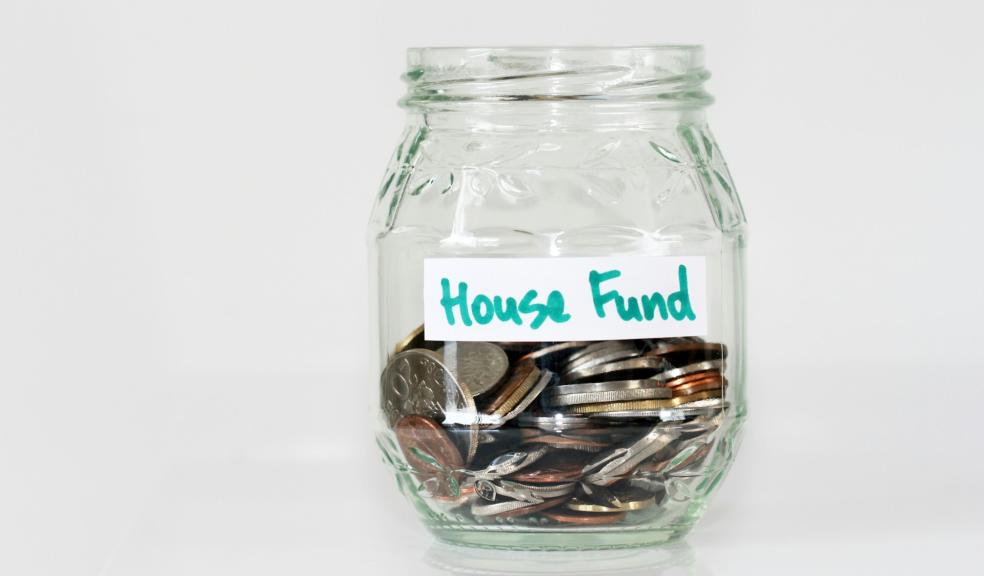
Methods to Help You Save for Your First Home
Saving for your first home can feel challenging, especially when house prices and everyday costs keep rising. However, with the right approach, steady planning, and a few smart choices, building a deposit becomes far more manageable.
Knowing what your options are early gives you more control and helps you avoid unnecessary pressure later.
This blog post explains practical methods that can help you move closer to buying your first home.
Set a Clear Deposit Target
Before saving, it helps to know what you’re aiming for. Most first-time buyers need a deposit of at least 5–10% of the property value, though a larger deposit can unlock better mortgage rates.
Start by looking at average house prices in your chosen area and work out:
- A realistic purchase price
- The deposit percentage you’re aiming for
- How much you can save each month
A clear target makes saving feel more purposeful and helps you track progress more easily.
Use a Dedicated Savings Account for it
Keeping your house deposit separate from everyday spending reduces temptation and keeps your savings on track. A dedicated account also makes it easier to monitor how close you are to your goal.
Many first-time buyers use savings options such as Lifetime ISAs, which offer a government bonus on contributions when used to buy a first home. This bonus can make a meaningful difference over time, especially if you save consistently.
When choosing an account, consider interest rates, access restrictions, and any limits on withdrawals, particularly with a Lifetime ISA, which has stricter rules on how the funds can be used.
Create a Monthly Saving Routine
Consistency can matter more than large one-off deposits, so setting up an automatic transfer each month removes the need to think about saving and helps build momentum.
You might find it useful to:
- Save a fixed amount on payday
- Increase savings when your income rises
- Add bonuses or tax refunds to your deposit fund
- Review your savings every few months
Even small monthly amounts add up over time.
Reduce Everyday Expenses Where Possible
Cutting back doesn’t mean giving up everything you enjoy, so just making small adjustments to spending habits can free up extra money for your deposit without feeling restrictive.
Look at areas such as:
- Subscriptions you rarely use
- Utility providers and mobile contracts
- Grocery spending
- Transport costs
Redirecting these savings into your deposit fund can speed up progress without changing your lifestyle too much.
Boost Your Income When You Can
Increasing income, even temporarily, can make a noticeable difference. This might involve taking on extra hours, freelancing, or selling items you no longer need.
Some people also use side income specifically for savings, keeping their main income for everyday expenses. This approach can help you stay motivated, as you’ll see direct results from the extra effort.
Avoid Unnecessary Debt
High-interest debt can slow your progress and affect future mortgage applications. Reducing credit card balances and avoiding new borrowing helps strengthen your financial position.
Before applying for a mortgage, lenders will review your spending habits, credit history, and existing commitments. Keeping debt under control can improve your chances of approval and lead to better rates.
Review Your Progress Often
Saving for a home is a long-term goal, so it’s important to check in on your progress. Reviewing your savings every few months allows you to adjust your plan if circumstances change.
Ask yourself:
- Are you saving enough each month?
- Could you increase contributions slightly?
- Are your savings earning the best available interest?
- Has your target savings goal changed?
Small tweaks over time can keep you moving forward.
Get Advice Before You’re Ready to Buy
You don’t need to wait until your deposit is complete to seek advice. Speaking to a mortgage adviser early can help you understand how much you might be able to borrow and what lenders will look for.
Early guidance helps you save with purpose and avoid surprises when you’re ready to start viewing properties.
Building Your Path to Home Ownership
Saving for your first home takes patience, planning, and steady habits, so make sure you’re not too hard on yourself during this process. To put it in perspective, the average homeowner is now between 34 and 35, so please make sure to cut yourself some slack.