



Why Your Roof Might Be Causing Damp (And What to Do About It)
Damp on the walls. First thing most people do is Google "rising damp" or start worrying about condensation. Maybe call one of those damp-proofing companies who'll try to sell you a chemical injection.
But here's what gets overlooked: the roof.
Water coming through the roof doesn't always mean buckets in the hallway and obvious dripping. Often it's slow. A patch that spreads gradually in the corner of a bedroom. Musty smell in the loft that wasn't there before. Paint bubbling on a chimney breast. By the time you notice, it's been happening for months.
If you've got damp upstairs and you can't figure out why, look up before you look down.
How Water Actually Gets In
Roofs aren't single waterproof membranes. They're systems: overlapping tiles, felt underneath, sealed junctions where the roof meets walls and chimneys. When any part fails, water finds a way through.
The annoying bit is that water travels. A gap on one side of the roof can cause damp to show up metres away, having tracked along a rafter or down the inside of a wall. So the stain on your ceiling isn't necessarily below the actual problem. Makes diagnosis frustrating.
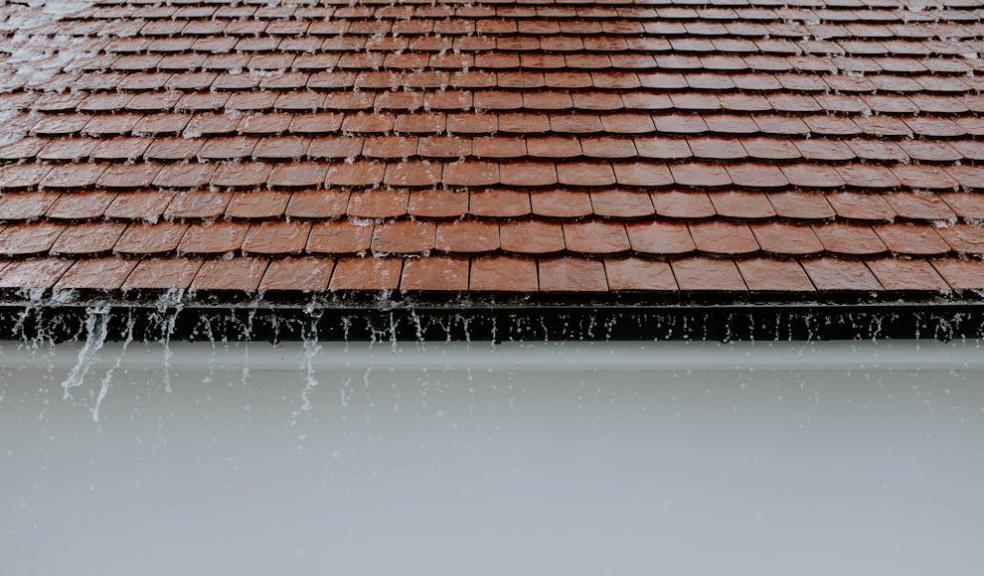
Tiles and slates. One cracked tile doesn't always cause immediate issues, especially if the felt's still intact. But wind-driven rain gets in over time, the felt degrades, and eventually water reaches the timbers.
Flashings. The seals where roofs meet chimneys and walls are vulnerable. Mortar cracks. Lead lifts at the edges. Water gets behind. Chimney breasts are notorious for this, which is why damp patches around old fireplaces often turn out to be roof problems rather than condensation. Most damp-proofing companies won't even consider the roof. They'll diagnose penetrating damp and quote you for tanking the chimney breast instead.
Flat roofs. Every flat roof fails eventually. Felt lasts maybe 10-15 years if you're lucky. EPDM and fibreglass go longer but they're not immortal. The membrane cracks, water pools, and it finds a way through. Flat roof repairs buy you time. Eventually you're looking at replacement.
Blocked gutters and valleys. Leaves and moss accumulate where roof slopes meet. Water backs up behind the blockage and gets under the tiles. Same with gutters. Overflow runs down the wall and finds its way inside. It's boring maintenance stuff, but ignoring it causes real damage.
Ridges and verges. The mortar holding ridge tiles cracks over time. Once they're loose, rain goes straight into the roof structure. Not complicated, just overlooked.
Is It the Roof or Something Else?
Not all damp comes from above. But some patterns point that way.
Damp on upper floors, particularly near chimneys or where the ceiling meets external walls, often traces back to the roof. If it's directly below the roofline or near any junction, water ingress is worth investigating.
Damp that responds to weather is telling you something. If the patch spreads after heavy rain and shrinks during dry spells, water's getting in from somewhere. Rising damp doesn't work like that. Condensation doesn't either.
Wet timbers in the loft confirm it. Water staining on rafters, mould on the underside of the felt, soft spots in the wood. Even without an obvious hole, water's making its way in.
On the other hand: damp on ground floors, damp that stays constant regardless of weather, damp around bathrooms and kitchens - that's more likely rising damp, penetrating damp through walls, or condensation. Different problem, different solution.
What To Do About It
Get someone to actually look at the roof. Not from the pavement. Properly. Drone inspections have made this easier and cheaper. You get footage of exactly what's up there without paying for scaffolding.
If you can get into the loft safely, check it yourself during or just after rain. Obvious water entry, staining on timbers, wet patches. Look carefully around the chimney stack and anywhere the roof meets a wall.
Once you find the source, the fix might be simple. Few slipped slates. Fresh pointing. Cleared gutter. Or it might be bigger: new flashings, valley work, flat roof replacement.
What definitely doesn't work is waiting. Roof-related damp doesn't dry out and fix itself. Water keeps coming, timber keeps absorbing it, and eventually you're dealing with rot and structural issues. The repair bill doubles, then doubles again.
Preventing Problems in the First Place
Most roof damp is avoidable with basic maintenance. Nobody wants to hear that, but it's true.
Clear the gutters once a year. Twice if you've got trees nearby. Check flashings every few years, especially on older properties where the original lead is getting on. Inspect flat roofs periodically. Have a look from the garden after storms and deal with obvious damage before water starts coming through.
Older houses need more attention. Victorian terraces, Edwardian semis, anything with a hundred-plus years of British weather exposure. The materials were built to last, but nothing lasts forever. London's got thousands of properties with original leadwork that's approaching end-of-life. It'll need doing eventually.
Check the Roof First
Damp diagnosis isn't straightforward. But if you've got unexplained damp upstairs, damp that worsens after rain, or damp around chimneys and roof junctions, the source might be above you.
Getting the roof inspected is simple and relatively cheap. It might save you months of chasing the wrong problem and paying for fixes that don't work.