



Roof Problems Surveyors Miss (And How to Spot Them Before You Buy)
You've found the house. Offer accepted. Now comes the survey, and you're expecting it to flag anything serious before you commit.
Except it often doesn't. Not with roofs, anyway.
Standard house surveys aren't roof inspections. Surveyors work from ground level with binoculars, they've got the whole property to assess in a few hours, and they're explicitly not climbing up there. That means problems slip through. Sometimes very expensive problems.
What Surveyors Actually Do (And Don't Do)
A Level 2 RICS survey includes a visual inspection of the roof from the ground and, if they can get up there, a look around the loft. The surveyor notes obvious stuff: missing tiles, sagging ridgelines, knackered guttering.
But they won't get on the roof itself. They won't shift loft insulation to check the timbers. They won't lift tiles to see what's happening underneath. And honestly, they're not trying to. The roof is one line item on a long checklist, not the main event.
None of that's a criticism. It's just worth knowing the limits before you assume the survey gives your roof the all-clear.
The Stuff That Gets Missed
Flashings. This is the big one. Lead and mortar flashings seal the gaps where roofs meet chimneys and walls. When they fail, water tracks into the building. Problem is, you can't assess flashings properly from the pavement. A cracked mortar fillet or a lifted lead edge looks like nothing from 10 metres away.
I've seen properties in London where water had been coming in around the chimney for years before anyone noticed. The damp showed up eventually, but by then the plaster was blown and the timbers were starting to rot. A lead flashing repair done early might have been £400. Leaving it turned into a few grand.
Flat roof condition. If there's a flat roof extension or garage, the surveyor will note it exists. Maybe they'll say "appears serviceable" or something equally vague. What they can't tell you is whether the membrane is going brittle, whether water's pooling after rain, whether the seams are starting to lift. Flat roofs fail. It's just a question of when.
Valleys and gutters. Roof valleys collect water and debris. That's their job. But leaves and moss build up, water backs up under the tiles, and rot sets in. From the ground, the valley looks fine. From above, it's a dam.
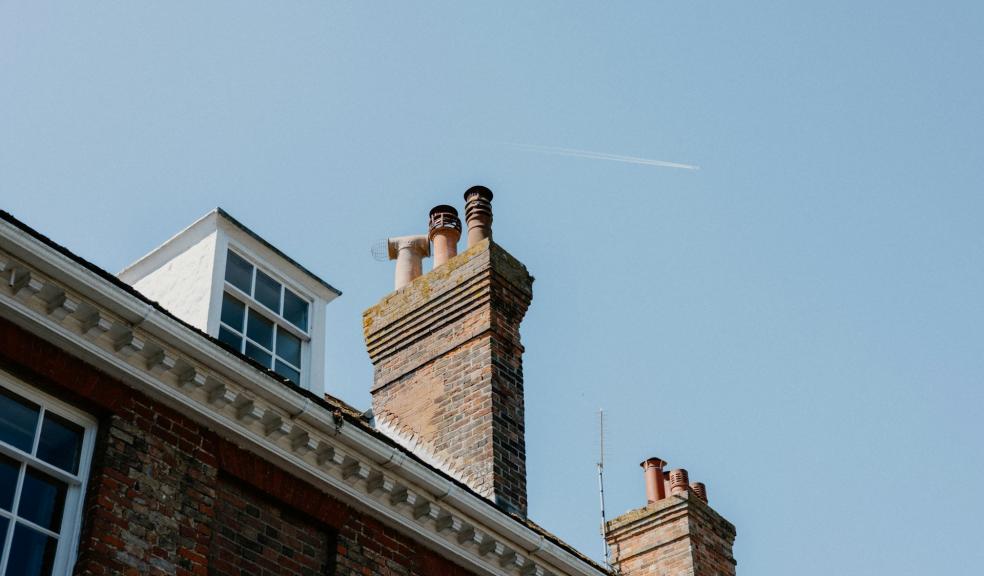
Chimney stacks. Surveyors flag the obvious stuff: leaning stacks, missing pots. What they miss is the pointing between the bricks and the flaunching around the pots. Both crack over time. Both let water in. And chimneys are basically funnels sitting on top of your house, so when they fail, the water goes straight down into the building.
Ridge tiles. The mortar bedding along the ridge eventually cracks and fails. Half the ridge tiles on a Victorian terrace might be loose, but you'd never know it from street level. The surveyor writes "ridge appears intact" while the wind's rocking them back and forth.
What You Can Actually Do
The survey isn't the final word. If there's any hint of roof concerns, or if the property's old enough that problems are likely, get a proper roof inspection before you exchange. Some roofers do drone surveys now, which is cheaper than scaffolding and gives you actual footage of what's up there.
Do your own homework during viewings too. Bring binoculars. Look at the roof properly rather than just glancing up. If you can get into the loft, take a torch and check for water staining on the timbers, daylight coming through gaps, any soft or discoloured wood.
Look at the ceilings in the top-floor bedrooms. Staining around chimney breasts is a red flag, even if it's been painted over. You can usually see the outline if you look closely.
And ask the seller direct questions. When was the roof last touched? Any leaks? Any guarantees on flat roof sections? They might not tell you the truth, but sometimes the hesitation tells you plenty.
Why This Actually Matters
Roof repairs aren't always expensive. A few slipped tiles, a bit of repointing, maybe a couple of hundred quid. But that's if you catch it early.
Leave it and the costs escalate fast. Water gets into the timbers. Rot spreads. Then you're into structural repairs, replastering, redecorating, and a bill that bears no resemblance to what the original fix would have cost.
The frustrating thing is that most of these problems are visible. They're just not visible from the ground. The surveyor's report gives you a false sense of security, you complete on the purchase, and six months later there's a damp patch spreading across the bedroom ceiling.
Get the Roof Checked Properly
A house survey is a starting point. Useful, but not definitive. If the property's older, has chimneys, flat sections, or original slate and tile, don't treat "no major defects noted" as a guarantee.
Spend the money on a proper inspection. It's a fraction of what you'll pay if something's been quietly leaking for years.